Why Does the TurfTech T-4600E Need a Catalytic Converter Replacement?
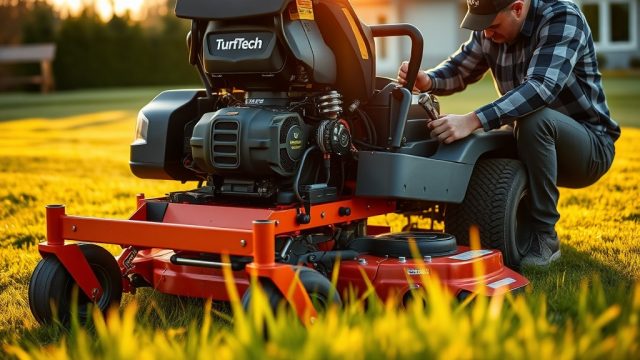
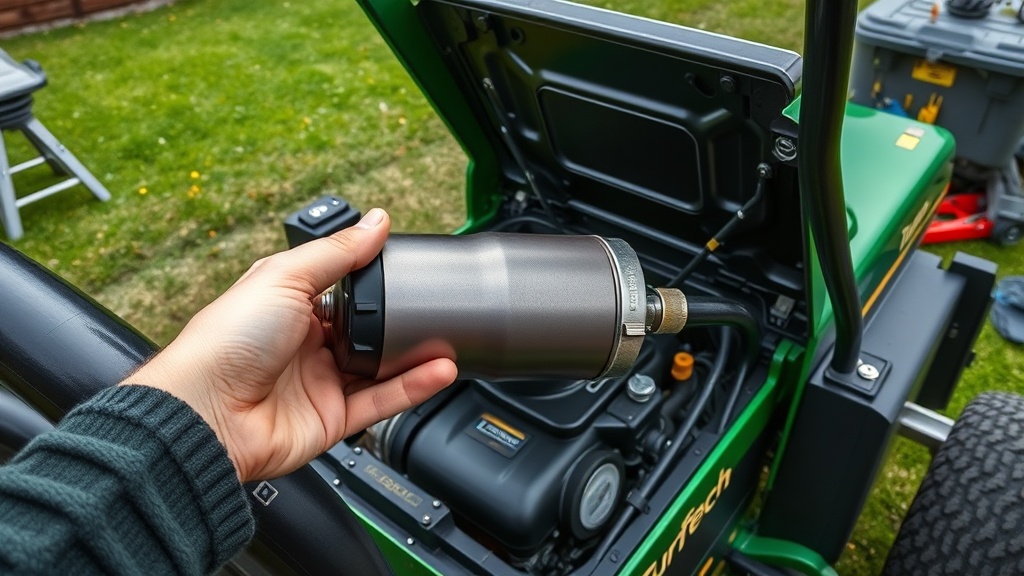
The TurfTech T-4600E is a robust lawn tractor designed for demanding residential and semi-commercial use. Its Kohler 7000 Series engine relies on a catalytic converter to reduce exhaust emissions and meet environmental standards. Over time, the converter can clog due to carbon buildup, oil contamination, or physical damage from debris. A failing converter causes reduced engine power, poor fuel economy, and even stalling under load. Replacing the catalytic converter restores engine performance, lowers exhaust backpressure, and ensures compliance with local emissions laws. This guide covers the step-by-step process for a safe and effective replacement.
What Are the Symptoms of a Failing Catalytic Converter on the T-4600E?
A faulty converter often manifests through distinct engine performance issues. Here are the common signs that indicate replacement is necessary:
- Engine hesitates or stalls when engaging the blades or driving uphill.
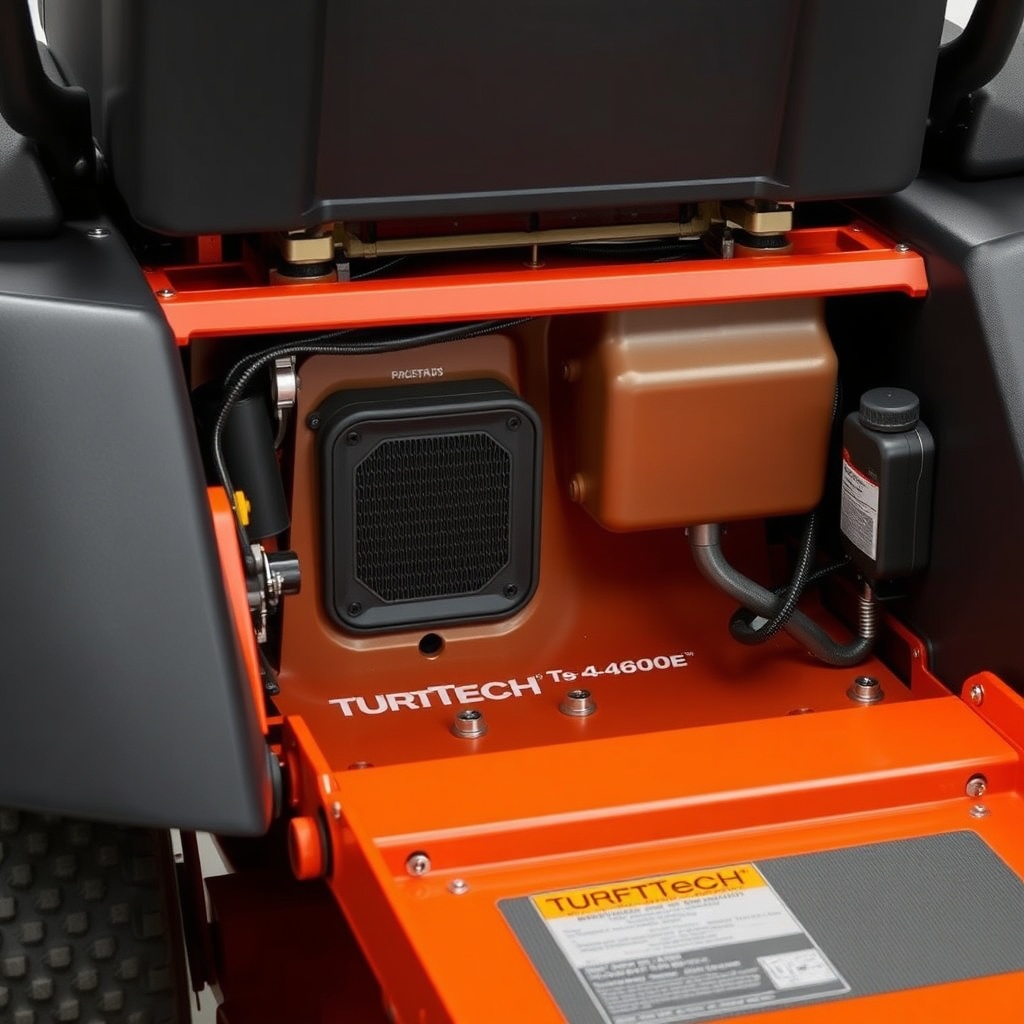
- Excessive exhaust heat radiating from the engine compartment, often felt as hot air near the operator station.
- Strong rotten-egg smell from the exhaust, indicating unburnt fuel reacting with the catalyst.
- Decreased power output, especially under load. The engine may sound bogged down.
- Check engine light on the dash (if equipped) or fault codes related to exhaust gas recirculation.
- Backpressure measured at the exhaust port exceeds 3.0 psi at idle or 8.0 psi at full throttle.
If these symptoms appear, a TurfTech T-4600E Ignition Coil Testing: Step-by-Step Guide and Tips can help rule out ignition issues before condemning the converter.
Which Tools and Parts Are Required for the Replacement?
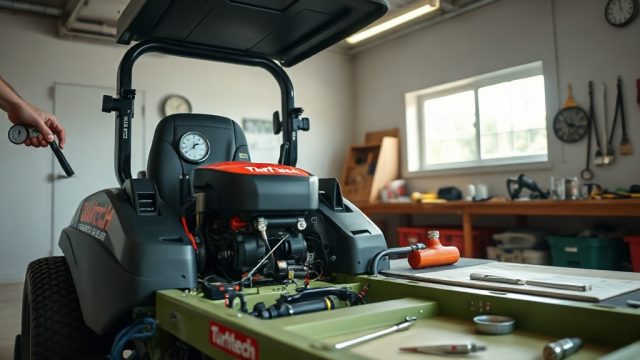
Before starting, gather all necessary tools and the replacement catalytic converter. The T-4600E uses a specific converter assembly that mounts directly to the exhaust manifold. Using the wrong part can cause fitting issues or performance problems.
| Item | Specification | Estimated Cost (USD) |
|---|---|---|
| Replacement catalytic converter | OEM or high-quality aftermarket (e.g., Kohler part #24-584-10-S) | $45–$75 |
| Socket set | Metric: 10mm, 12mm, 13mm, 15mm | — |
| Torque wrench | Range 10–50 ft-lb | — |
| Penetrating oil | WD-40 or equivalent | $5 |
| New exhaust gasket | Copper or graphite, matches manifold | $8–$12 |
| Safety glasses and gloves | Heat-resistant gloves recommended | $10 |
| Backpressure gauge (for diagnosis) | 0–15 psi range | $25 |
Ensure the engine is cool before working. The converter can reach temperatures exceeding 600°F (315°C) during operation. Allow the mower to cool for at least two hours before starting.
How Do You Access and Remove the Old Catalytic Converter?
Removing the converter requires accessing the exhaust system from underneath the mower. Follow these steps:
- Park the mower on a level surface, engage the parking brake, and disconnect the negative battery terminal.
- Raise the mower using jack stands or a ramp. Ensure stability before crawling underneath.
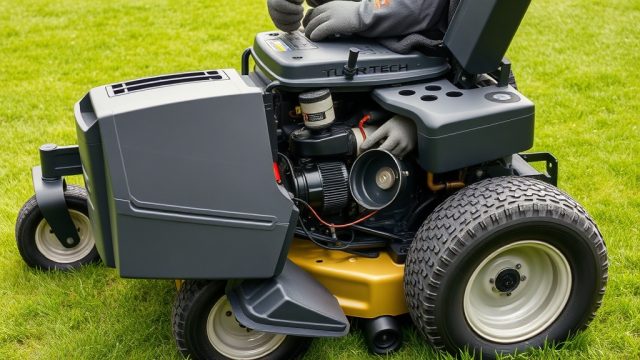
- Locate the catalytic converter—it is the metal canister between the exhaust manifold and the exhaust pipe. On the T-4600E, it sits directly under the engine, near the left front wheel.
- Apply penetrating oil to all bolts and nuts. Wait 10 minutes for it to seep in.
- Using a 13mm socket, remove the two bolts securing the converter to the exhaust manifold. Take note of the gasket between them.
- Using a 15mm socket, remove the two bolts securing the converter to the exhaust pipe (muffler side).
- Slide the converter out. It may be tight—use a rubber mallet to gently tap it loose. Check for any broken studs.
- Inspect the manifold and exhaust pipe for corrosion or damage. Replace the gasket if it is worn or distorted.
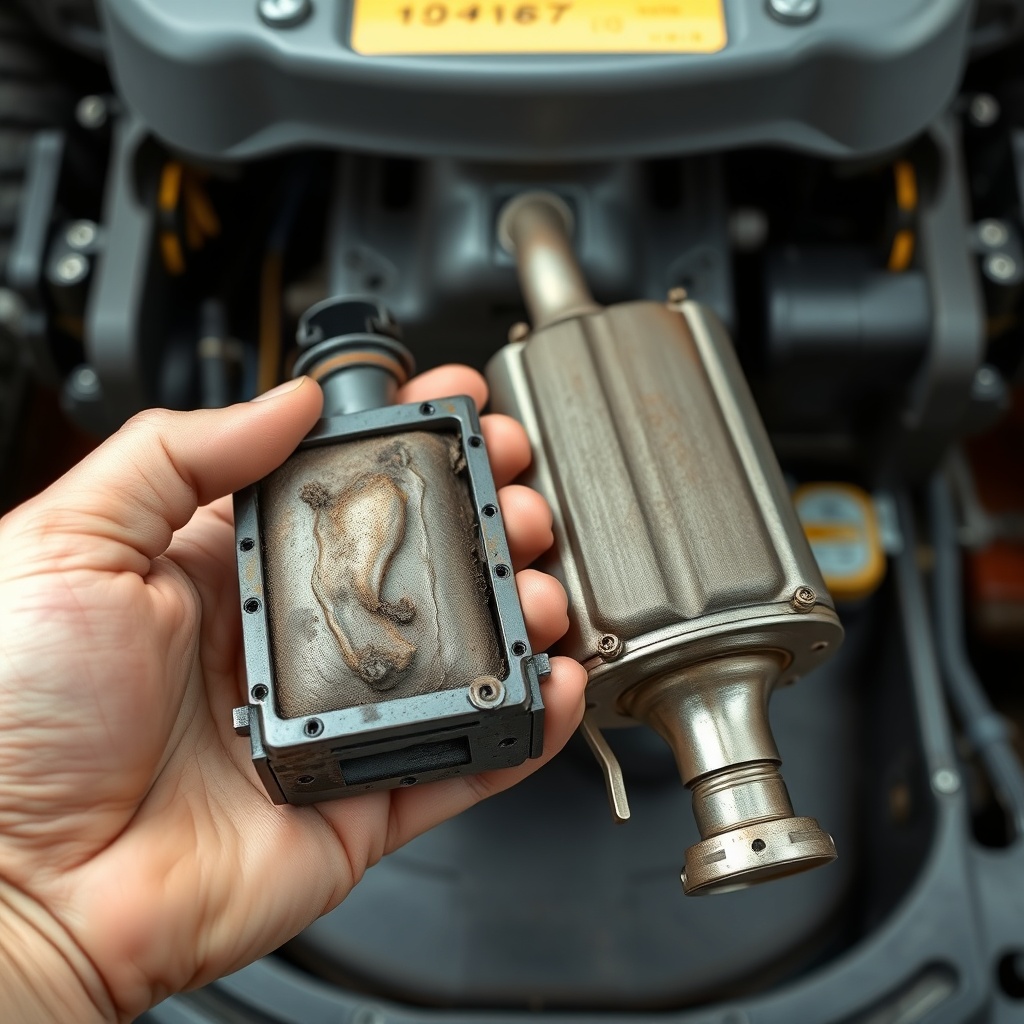
If the converter is severely clogged, you may notice a honeycomb structure that is blackened or melted. This indicates internal failure. A TurfTech T-4600E Deck Anti-Scalp Wheels: Adjustment Guide for Even Cutting is a separate but complementary maintenance task for optimal mowing.
How Do You Install the New Catalytic Converter Correctly?
Install the new converter in the reverse order of removal, but pay attention to alignment and torque settings. A loose or misaligned converter can cause exhaust leaks that reduce performance and create loud noises.
- Apply a thin layer of anti-seize compound to the bolt threads to prevent future seizing from heat cycles.
- Place a new gasket on the manifold side. The gasket should be oriented correctly—usually a copper ring sits inside the manifold flange.
- Slide the new converter into position. Ensure the arrow (if present) points in the direction of exhaust flow (away from engine).
- Hand-tighten the manifold bolts, then tighten to a torque of 18 ft-lb using a torque wrench. Do not overtighten.
- Attach the exhaust pipe side, using a new gasket if provided. Tighten bolts to 15 ft-lb.
- Reconnect the negative battery terminal.
After installation, start the engine and let it idle for 5 minutes. Check for exhaust leaks around the flanges using a soapy water spray. Bubbles indicate leaks—tighten bolts slightly if needed. Then take the mower for a test drive. The engine should feel smoother and more responsive, especially under load. If performance issues persist, consider TurfTech T-4600E Carburetor Cleaning: Step-by-Step Guide and Tips to address fuel delivery problems.
What Owners Say About Catalytic Converter Replacement on the T-4600E
Real-world feedback from TurfTech T-4600E owners highlights several common experiences. Many report that a clogged converter becomes apparent after 300–500 hours of use, especially in dusty or high-debris conditions. Owners who replaced the converter themselves note that the job takes about one hour and saves $80–$120 in labor costs compared to a dealer visit. A few users emphasize using only OEM or high-quality aftermarket converters, as cheap units can fail within 50 hours and cause further engine damage. Routine maintenance, such as checking the converter annually, is recommended to avoid unexpected breakdowns. Some owners also mention that combining this replacement with TurfTech T-4600E Cutting Height Adjustment: Step-by-Step Guide for Optimal Deck Height leads to a noticeable improvement in overall mowing efficiency.
Frequently Asked Questions
1. How often should I replace the catalytic converter on my TurfTech T-4600E?
Typically, replacement is needed every 300–500 hours of operation, or when symptoms of clogging appear. Inspect it annually if you mow in heavy dust or tall grass.
2. Can I run the T-4600E without a catalytic converter?
Legally, no—removing the converter violates emissions regulations in many areas. Technically, the engine will run louder and may produce more heat, but performance could briefly improve. However, prolonged operation without a converter can damage the exhaust valves due to higher backpressure changes.
3. Will a bad catalytic converter affect fuel economy?
Yes. A clogged converter increases backpressure, forcing the engine to work harder. Owners report a 10–20% drop in fuel efficiency, which normalizes after replacement.
4. What tools are essential for this replacement?
A metric socket set (10mm to 15mm), a torque wrench, penetrating oil, safety glasses, and a new gasket are essential. A backpressure gauge helps confirm the diagnosis.
5. Can I clean the catalytic converter instead of replacing it?
Cleaning is rarely effective for clogging caused by oil or carbon. Commercial cleaners may temporarily reduce buildup, but replacement is the recommended solution for restoring performance. A TurfTech T-4600E Traction Drive Belt Tension Adjustment: Step-by-Step Guide is a better maintenance task for the drivetrain.
6. How do I prevent future catalytic converter issues on the T-4600E?
Use the correct engine oil (SAE 10W-30, API service SN), avoid prolonged idling, and keep the air filter clean. A TurfTech T-4600E Battery Voltage Drain Test: Diagnosing Parasitic Draw can help prevent electrical issues that might cause incorrect fuel mixtures and converter damage.