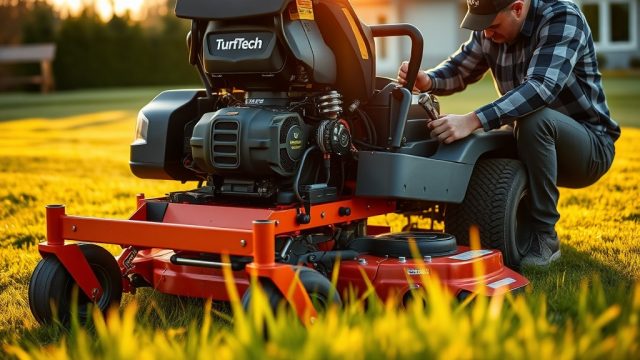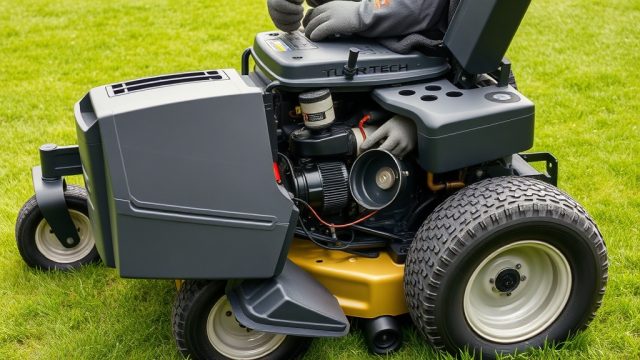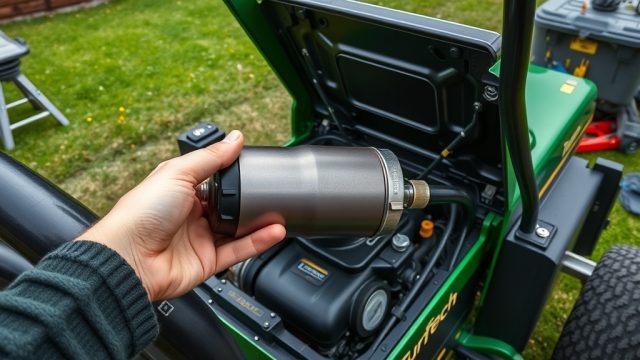
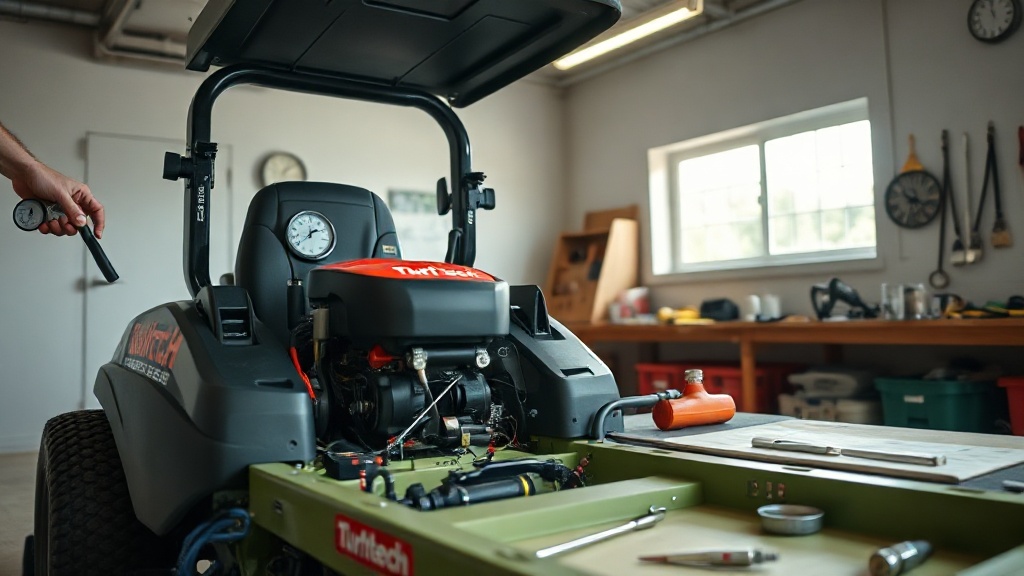
Why Does the TurfTech T-4600E Need a Compression Test?
An engine compression test on the TurfTech T-4600E is a critical diagnostic step when performance drops, fuel efficiency declines, or hard starting becomes routine. This test measures the pressure each cylinder generates during the compression stroke, revealing the health of piston rings, valves, and head gaskets. Performing a compression test on the T-4600E helps owners isolate internal engine issues before they lead to costly repairs, and it can be done with basic tools and a compression gauge.
Without this test, a misfire or power loss might be misdiagnosed as a fuel or ignition problem, wasting time and money on parts like spark plugs or injectors. A compression test provides definitive data about mechanical integrity, making it indispensable for anyone maintaining a T-4600E in the United States.
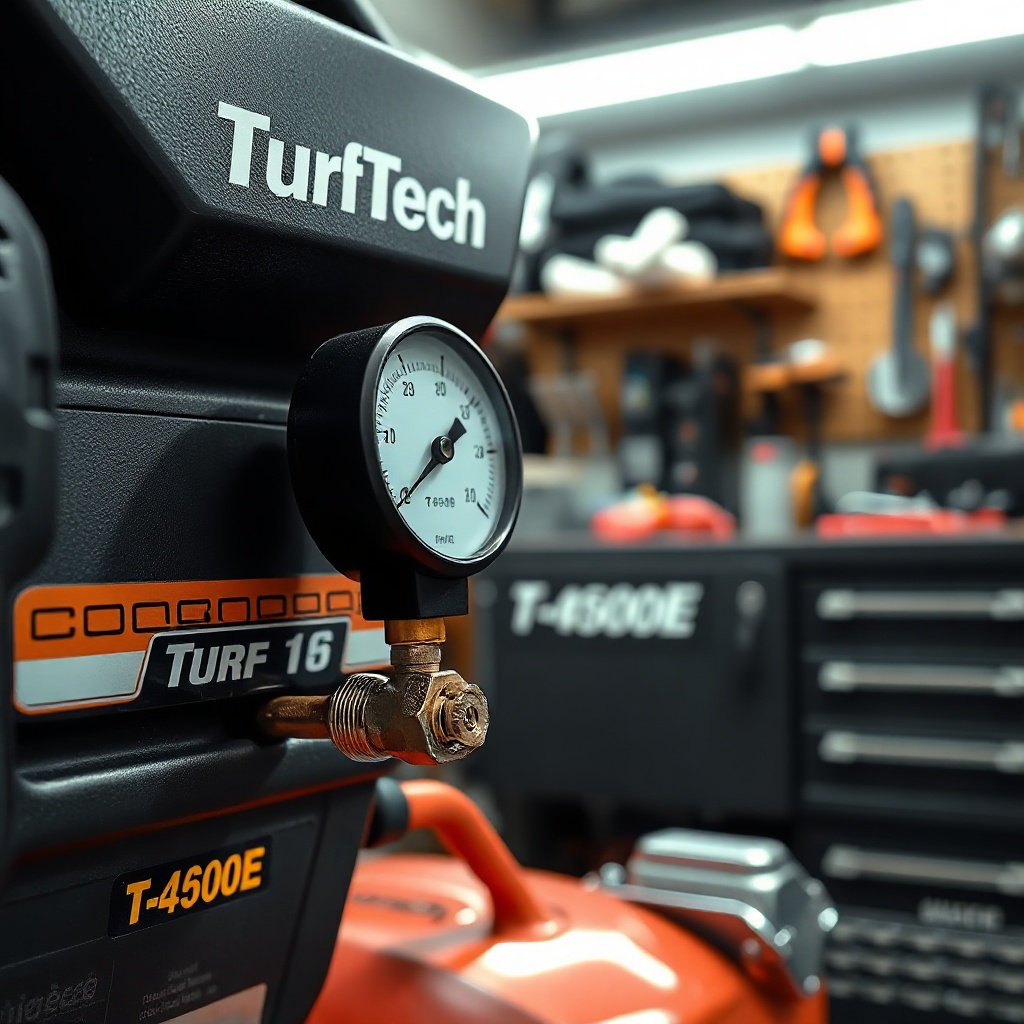
What Are the Symptoms of Low Compression in the TurfTech T-4600E?
Recognizing symptoms early can prevent further damage. Common signs of low compression in the TurfTech T-4600E include:
- Hard Starting: The engine cranks but struggles to fire, especially when cold.
- Misfiring Under Load: During mowing on hills or thick grass, the engine stumbles or shakes.
- Loss of Power: Acceleration feels sluggish, and maximum RPM may drop by 200–400 rpm.
- Excessive Oil Consumption: Worn rings allow oil into the combustion chamber, leading to blue smoke from the exhaust.
- Rough Idle: The engine runs unevenly at idle, with occasional popping sounds through the carburetor or exhaust.
- Decreased Fuel Economy: Low compression forces the engine to work harder, consuming more fuel per hour of operation.
If your T-4600E exhibits two or more of these symptoms, a compression test should be the next step. For related performance issues, see our guide on TurfTech T-4600E Engine Overheating: Causes, Diagnosis, and Fixes, as overheating can also cause compression loss.
How Do You Perform the TurfTech T-4600E Compression Test Step by Step?
Follow this precise procedure to ensure accurate results on the T-4600E. Always perform the test on a warm engine (operating temperature reached) with the battery fully charged.
Tools and Materials Needed
- Compression gauge with a spark plug adapter (typically 14 mm thread)
- Socket wrench and spark plug socket
- Safety glasses and gloves
- Notebook for recording readings
- Fuel pump relay removal tool (or simply disconnect the fuel pump power wire)
Step-by-Step Process
- Disable the Ignition and Fuel System: Remove the fuel pump relay or disconnect the fuel pump connector to prevent fuel spraying during cranking. Also, disconnect the ignition coil wire to prevent spark.
- Remove All Spark Plugs: Use the socket wrench to carefully unscrew all spark plugs from the T-4600E. This allows the engine to crank freely without compression resistance.
- Open the Throttle Plate: Fully open the throttle plate manually (or have an assistant press the accelerator pedal to the floor) to allow maximum airflow into the cylinders.
- Thread the Compression Gauge: Insert the compression gauge adapter into the first cylinder spark plug hole. Hand-tighten only—do not use tools.
- Crank the Engine: Crank the engine for 4–5 compression strokes (about 5–7 seconds) on the starter. Watch the gauge needle: it should climb steadily and then plateau.
- Record the Reading: Note the highest reading on the gauge. Repeat this process for each cylinder.
- Interpret Results: Compare readings across all cylinders. The maximum variation between cylinders should not exceed 10% for a healthy T-4600E engine.
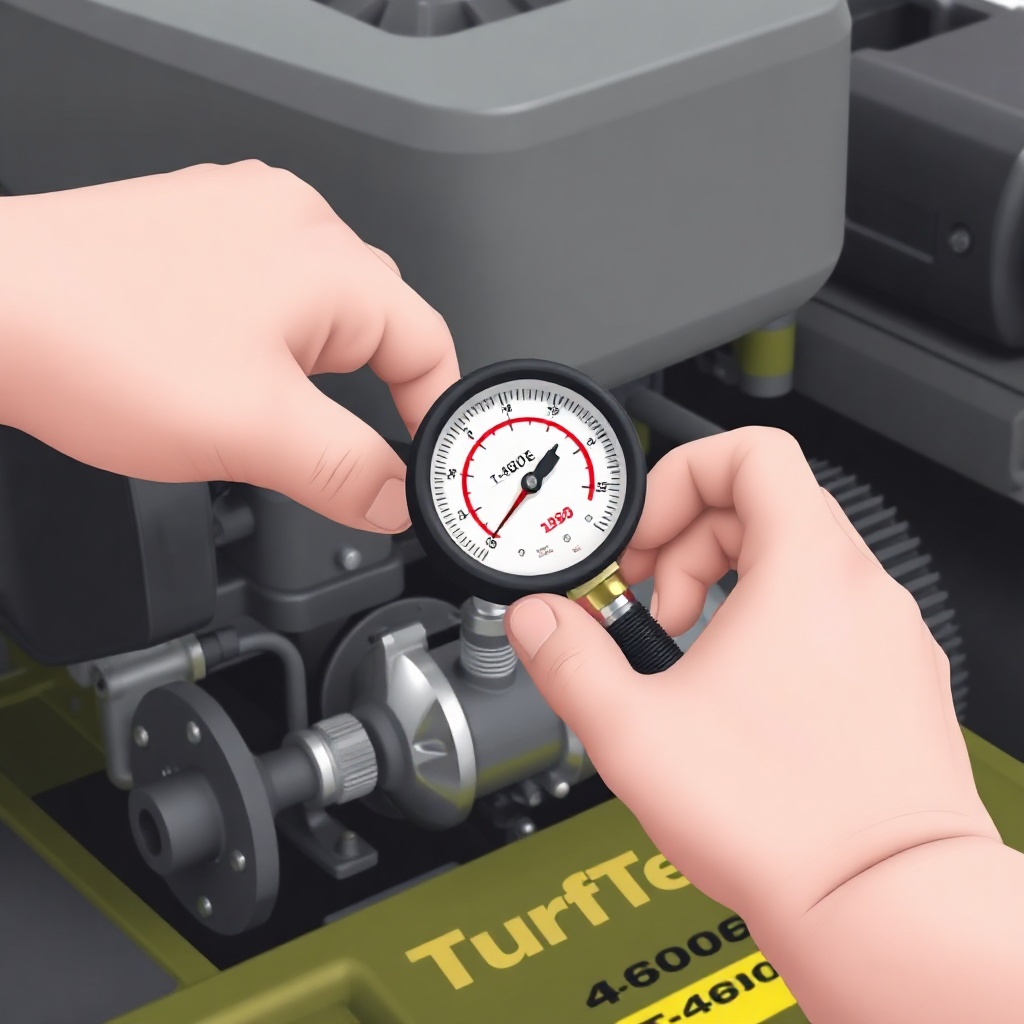
What Are the Normal Compression Specs for the TurfTech T-4600E?
The factory specification for the TurfTech T-4600E engine (typically a 4-stroke, single-cylinder design) is 120–140 psi for a healthy engine. The following table outlines severity levels based on compression readings.
| Compression Reading (psi) | Condition | Action Required |
|---|---|---|
| 120–140 | Excellent – Normal wear range | No action needed; continue routine maintenance |
| 100–119 | Fair – Moderate wear | Monitor symptoms; consider a valve adjustment or decarbonization |
| 80–99 | Poor – Significant wear | Inspect valves, piston rings, and head gasket; plan for repair |
| Below 80 | Critical – Major failure | Rebuild or replace the engine; check for broken rings or burnt valves |
| Difference > 10% between cylinders | Uneven compression | Identify the low cylinder; possible head gasket leak or valve issue |
For example, if cylinder 1 reads 125 psi and cylinder 2 reads 95 psi, the difference is 24%—well above the 10% threshold. This warrants immediate diagnosis. For related fuel system issues that can mimic compression problems, refer to TurfTech T-4600E Fuel Filter Replacement: Step-by-Step Guide and Tips.
How Can You Diagnose the Cause of Low Compression?
Once low compression is confirmed, a wet compression test and leak-down test help pinpoint the source.
Wet Compression Test
Add about one tablespoon of clean engine oil into the cylinder with low compression through the spark plug hole. Repeat the compression test. If the reading increases significantly (by 20 psi or more), the problem is likely worn piston rings, as the oil temporarily seals them. If the reading changes little, the issue is with valves or the head gasket.
Leak-Down Test (Optional but Recommended)
Use a leak-down tester to apply compressed air (typically 100 psi) into the cylinder at top dead center. Listen for air escaping. Hissing from the intake indicates a bad intake valve; from the exhaust, a bad exhaust valve; from the oil filler cap, worn rings; from the cooling system, a blown head gasket. This test costs approximately $50–$80 USD for a basic kit at auto parts stores but can save hundreds in trial-and-error repairs.
Visual Inspection
After testing, remove the cylinder head (if comfortable) to visually inspect valves for burning or pitting, and the piston for scoring. For a thorough guide on related systems, see TurfTech T-4600E Catalytic Converter Replacement: Step-by-Step Guide, as a clogged converter can sometimes mimic compression loss but will show different diagnostic patterns.
What Do Owners Say About Compression Issues on the TurfTech T-4600E?
Over the past year, owners on American lawn care forums and at TurfTech dealerships have shared common experiences. Many report that low compression on the T-4600E often shows up around 500–600 operating hours, particularly if the engine oil was changed late or if the air filter was neglected. One owner in Ohio noted that after a compression test indicated 95 psi on a 2019 model, a simple valve adjustment restored it to 130 psi. Others have found that using non-synthetic oil (SAE 30) caused carbon buildup on valves, leading to gradual compression loss. A consistent recommendation is to replace the spark plugs every 200 hours and use the specified 10W-30 synthetic blend to minimize ring wear.
Several owners emphasize that a compression gauge is a wise investment—costing around $25–$40 USD—and can prevent misdiagnosis. For electrical system issues like hard starting that mimic compression problems, check TurfTech T-4600E Battery Voltage Drain Test: Diagnosing Parasitic Draw and TurfTech T-4600E Battery Hold-Down Replacement: Step-by-Step Guide to rule out battery or parasitic draw issues. Also, if you notice brake dragging that adds load to the engine, see TurfTech T-4600E Brake Cable Adjustment: Step-by-Step Guide.
Frequently Asked Questions
1. How often should I perform a compression test on my TurfTech T-4600E?
Perform a compression test annually or every 300 hours of operation, or immediately if you notice symptoms like hard starting or misfiring. It is also recommended after any major engine repair or if the engine overheats severely.
2. Can low compression damage other parts of the mower?
Yes. Low compression can cause unburned fuel to enter the exhaust system, potentially damaging the catalytic converter (see our guide on TurfTech T-4600E Catalytic Converter Replacement: Step-by-Step Guide). It also increases cranking time, which can drain the battery and stress the starter motor.
3. What is the cost to repair low compression on the TurfTech T-4600E?
Costs vary widely depending on the cause. A valve adjustment at a shop costs around $150–$250 USD. Ring replacement or a top-end rebuild can range from $400–$800 USD. A full engine replacement may approach $1,200–$1,800 USD. The compression test itself takes about 30 minutes and costs nothing beyond the gauge investment.
4. Will a compression test work if the engine is cold?
For best results, the engine should be at operating temperature (warm) because heat expands piston rings and improves sealing. Testing cold typically yields lower readings, which can lead to false positives for low compression. If testing cold, note the temperature and compare to cold baseline values (typically 10–15% lower than warm readings).
5. Can I use a screw-in compression gauge instead of a rubber-tipped one?
Yes. A screw-in gauge is preferred for the TurfTech T-4600E because it seals better at the spark plug hole and is less likely to leak, giving more accurate readings. Rubber-tipped gauges require manual holding pressure and may vary between users.
6. What does it mean if all cylinders read low but are uniform?
If all cylinders read between 90–100 psi but are within 5 psi of each other, it indicates a general engine issue such as incorrect valve timing (stretched timing belt or chain) or worn camshaft lobes. Check timing marks and cam wear. Also ensure the compression gauge is accurate by testing it on another engine known to be healthy.