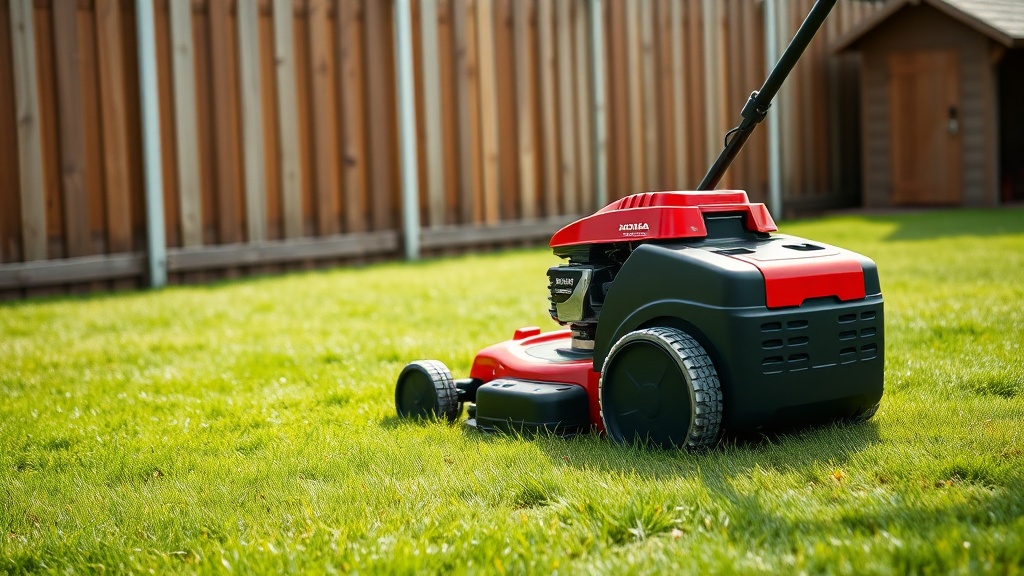
Honda HRX217 GCV190 Engine: Tuning and Performance Tips
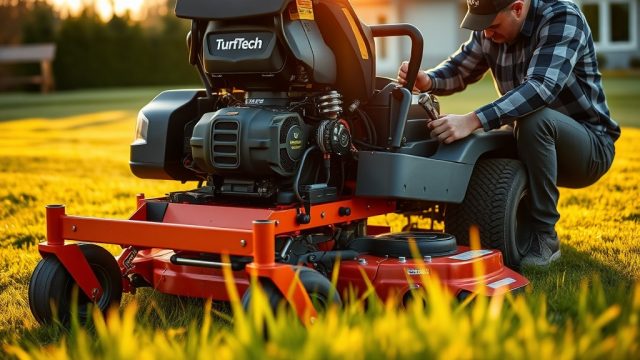
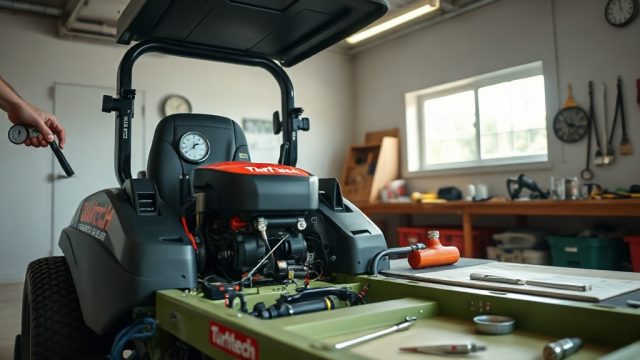
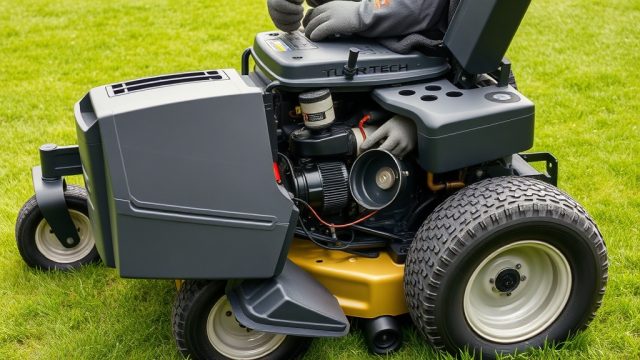
The Honda HRX217, equipped with the GCV190 engine, is a well-regarded mower known for its reliability and cutting performance. However, like any small engine, regular tuning and mindful operation are key to maintaining peak power and fuel efficiency. This guide provides practical, step-by-step advice for keeping your GCV190 running at its best, from carburetor adjustments to air filter maintenance.
What Is the Recommended Maintenance Schedule for My GCV190 Engine?
Maintaining your GCV190 engine is straightforward with a clear schedule. Honda recommends checking the oil level before every use and changing it after the first 5 hours of operation, then every 50 hours or annually for consistent performance. The air filter needs inspection every 25 hours, with replacement each season or if it appears dirty. For the spark plug, inspect and clean it yearly, replacing it at the start of each mowing season—typically an NGK BPR6ES or equivalent.
Fuel system care is equally important. If you use ethanol-blended fuel, drain the tank and run the engine dry before storing for more than 30 days. Adding a fuel stabilizer like STA-BIL to fresh gas can prevent gum formation and keep the carburetor clean. Ignoring this schedule often leads to hard starting and reduced power, especially after winter storage.
How Do I Adjust the Carburetor for Optimal Performance?
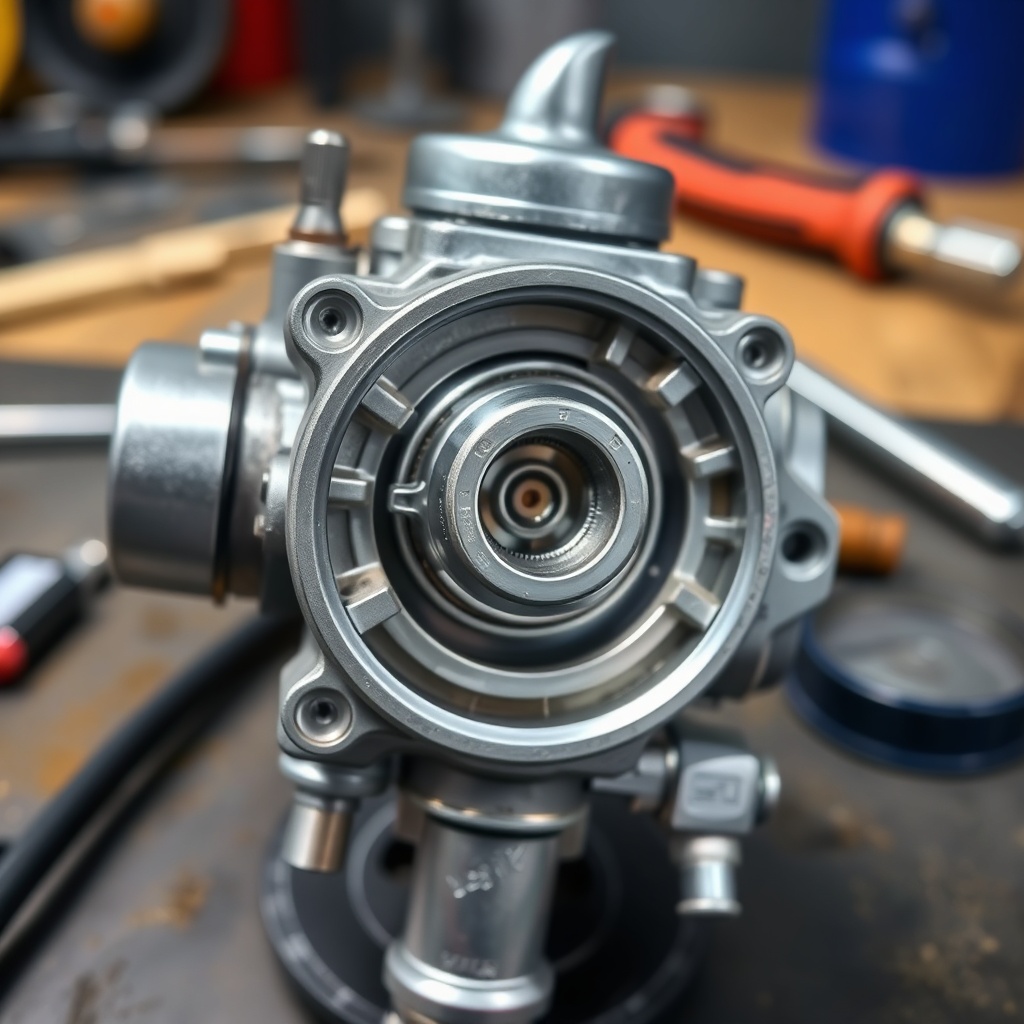
The GCV190 uses a fixed-jet carburetor without easily accessible mixture screws, meaning most tune-ups focus on cleaning rather than adjusting. If you notice rough idling or hesitation, the carburetor likely needs cleaning. Begin by removing the air filter housing and carburetor assembly. Use a carburetor cleaner spray on all passages, focusing on the small jets and the float bowl. Compressed air helps dislodge stubborn debris.
If your engine surges under load, check for a dirty main jet. A common DIY fix involves removing the float bowl and using a thin wire to clear the jet. Reassemble carefully, ensuring gaskets seal properly. For persistent issues, consider a carburetor rebuild kit (around £15-20 / $20-25). Always disconnect the spark plug wire before working on fuel components.
When Should I Replace the Spark Plug and Air Filter?
Spark plug replacement is simple and impactful. Use a socket wrench to remove the old plug, gap a new NGK BPR6ES plug to 0.76 mm (0.030 inches), and torque it to 18-22 Nm. If the old plug shows heavy carbon buildup, you may be running too rich. A dry, white tip suggests lean mixture or pre-ignition. Replace the plug every 100 hours or once a season for consistent starts.
The air filter is the engine’s first defense. A foam filter that’s black with debris should be washed with warm water and mild soap, dried thoroughly, and lightly oiled with filter oil. A paper element that’s collapsing or torn needs immediate replacement. Running with a clogged filter can reduce horsepower by up to 10-15%, making the mower feel sluggish on thick grass.
What Oil Type and Change Procedure Does the GCV190 Require?
The GCV190 uses SAE 10W-30 for most climates, but 5W-30 works better in cold weather. Use API service SJ or higher. Capacity is 0.58 liters (20 oz) with a new filter. To change oil, run the engine for 5 minutes to warm it, then drain via the dipstick tube or side plug. Install a new filter (Honda part 15400-Z0L-003 or equivalent) and refill slowly. Check the level on the dipstick without threading it in.
Troubleshooting Oil Consumption
If you notice excessive oil consumption, check for leaks around the fill cap or drain plug. A small amount of consumption is normal, but burning oil (smoky exhaust) can indicate worn piston rings or valve seals. Monitor the level regularly; topping up between changes is preferable to running low.
How Can I Boost Power and Torque for Thick Grass?
Beyond standard tuning, a few tweaks help the HRX217 handle dense turf. First, ensure the blade is sharp—a dull blade tears grass, increasing load on the engine. Use a file or grinder to maintain a 30-degree edge. Second, keep the underside of the deck clean; built-up grass creates drag. Spraying it with cooking oil or silicone spray weekly prevents buildup.
Third, adjust the self-propel drive cable to ensure smooth engagement, as covered in our guide on Honda HRX217 Self-Propelled Drive Cable: Adjustment and Repair. A sticking drive system can make the engine work harder than necessary. Finally, avoid overfilling the grass bag; a full bag reduces airflow and loads the engine. Empty when three-quarters full.
What Owners Say
Long-time users of the HRX217 with the GCV190 often note that “the engine starts reliably on the first pull after a tune-up, but if I neglect the air filter, it behaves like a different machine.” Another common observation: “I replaced the spark plug every season and used non-ethanol fuel—my mower has over 400 hours without any major issues, just regular oil changes.” Some owners mention that the GCV190 can be a bit cold-natured below 10°C (50°F), requiring a few choke cycles before it runs smoothly.
A minor complaint is that the fuel cap vent can clog over time, causing vacuum in the tank and stalling. Cleaning the vent with a needle is a quick fix. Overall, the consensus is that the engine is durable if you adhere to basic care, far outlasting cheaper mowers in the same class.
How Does the GCV190 Compare to the Toro Recycler’s Engine?
When comparing the Honda HRX217 to the Honda HRX217 vs Toro Recycler 22: Which Mower Offers Better Cut Quality?, the GCV190 generally offers smoother acceleration and quieter operation than Toro’s comparable 190cc Briggs & Stratton engine. Toro engines are simpler but often require more frequent carburetor cleaning. The Honda engine also tends to hold its value better in the used market. However, Toro’s engine may be slightly easier to service because parts are more widely available at local retailers.
In terms of cut quality, both engines provide enough power for standard residential lawns, but the HRX217’s MicroCut system gives a finer finish. For more on that, see Honda HRX217 MicroCut Quad Blade System: Advantages and Maintenance. If you prioritize longevity and ergonomics, the Honda engine edges ahead.
Frequently Asked Questions
Can I use E10 ethanol fuel in my HRX217?
Yes, the engine is designed for up to 10% ethanol, but avoid higher blends. Ethanol attracts moisture and can cause phase separation if stored for months. Use a stabilizer and drain the tank for off-season storage.
Why does my GCV190 engine backfire through the exhaust?
A lean fuel mixture or carbon buildup in the combustion chamber can cause backfire. Check for vacuum leaks at the intake manifold and clean the carburetor. Also, inspect the spark plug for correct gap.
How do I winterize my Honda mower engine?
Run the carburetor dry by disconnecting the fuel line and letting it idle until it stops. Change the oil, remove the spark plug, add a teaspoon of oil into the cylinder, pull the starter slowly, then replace the plug. Store indoors.
What is the correct valve clearance for the GCV190?
Intake and exhaust valves both require 0.15 mm (0.006 in) clearance when cold. Checking this requires removing the valve cover and using a feeler gauge. Adjusting is uncommon but necessary if the engine is hard to start or runs poorly.
Can I adjust the governor to increase RPM?
Governor springs are set at the factory for safe top speed (around 3200-3400 RPM under load). Increasing RPM risks engine damage and violates emissions regulations. Do not tamper with the governor.
Why does my engine smoke when starting?
Blue smoke usually means oil burning—check for overfilling or worn piston rings. White smoke (steam) on a cold day is normal. Black smoke indicates too rich a mixture; clean the carburetor and air filter.