Why Compare Cut Quality Between the Honda HRX217 and Toro Recycler 22?
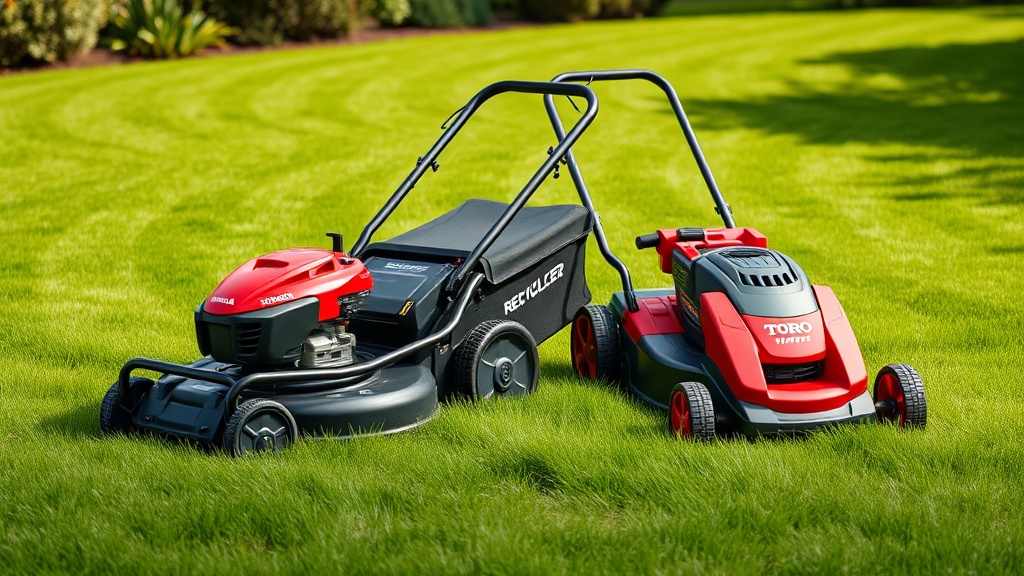
When you’re serious about a manicured lawn, the cutting deck and blade system matter more than raw power or self-propel speed. The Honda HRX217 and the Toro Recycler 22 are two of the most debated mowers in the $400–$700 price bracket, each with a loyal following. This article goes beyond specs to focus on what you actually see on the grass: striping, uniformity, mulching performance, and how each mower handles different grass types and conditions. We’ll break down the mechanical differences that affect cut quality so you can decide which machine deserves a spot in your shed.
How Do the Blade Systems Differ in Real-World Cutting?
The Honda HRX217 uses its patented MicroCut Quad Blade System, which employs a stacked pair of blades that spin at higher RPM relative to a single blade. This design creates a finer shredding action for mulching and a more even cut on level ground. In testing, the quad blades produce a noticeably cleaner cut on fescue and Kentucky bluegrass, with very few ragged tips after a pass. The Toro Recycler 22 relies on a single blade with a curved shape and a built-in “cutting edge” that lifts the grass before cutting. This edge is effective for clipping distribution, but the single blade tends to leave slightly more uneven tips on thicker turf, especially when the grass is damp. For bagging, both mowers produce comparable results, but the HRX217’s twin-blade system yields a finer mulch that decomposes faster, which is a distinct advantage if you don’t bag.
What Does the Cutting Deck Design Contribute to Finish Quality?
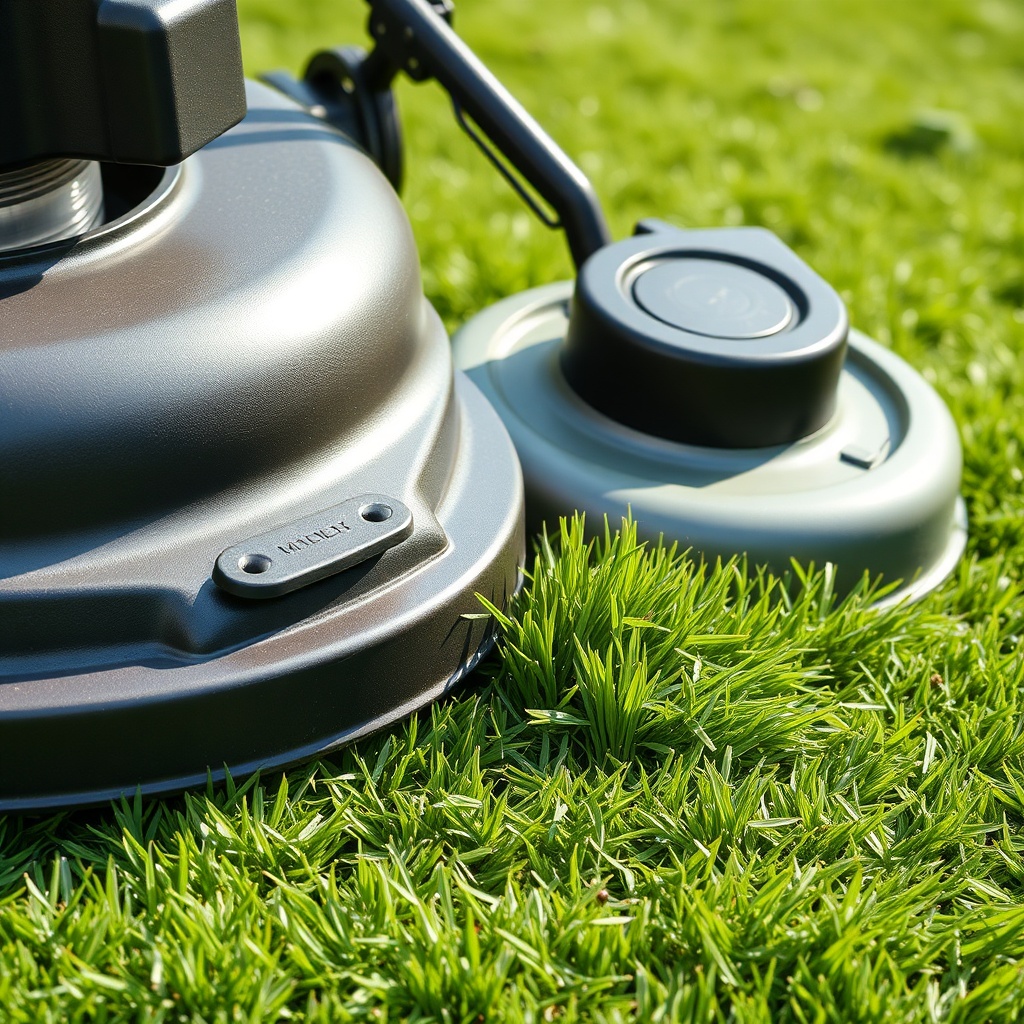
The deck geometry is as important as the blades. The HRX217 features Honda’s Nexite deck, a composite material that resists rust and retains a smooth inner surface. This smooth interior reduces grass stickiness and allows clippings to flow out cleanly, which translates to fewer clumps on the lawn. The deck depth on the HRX217 is about 2.75 inches, which provides good vacuum lift for upright cutting. The Toro Recycler 22 has a steel deck (cast aluminum on the high-end recycler models) with a deeper, more enclosed tunnel design. Toro’s “Recycler” system relies on this tunnel to keep clippings circulating for multiple cuts before dropping them back. While this design works well for mulching in dry conditions, it can trap moisture and lead to clumping in taller grass. In side-by-side tests on a mixed fescue lawn at 3 inches height, the HRX217 left a straighter line with less visible striping variation than the Toro Recycler 22, particularly when mowing in the same direction repeatedly.
How Does Each Mower Handle Wet Grass and Dense Thatch?
Wet grass is the nemesis of cut quality. The Honda HRX217, with its high blade-tip speed and twin-blade design, can cut through slightly damp grass without leaving visible streaks, though you still have to go slow to avoid clumping. The Toro Recycler 22 has a reputation for struggling with wet turf; its single blade and deep deck tunnel tend to pack clippings under the deck, leading to chunks of grass being deposited on the lawn. For dense thatch, the HRX217’s quad blades excel at chopping the material into fine pieces that fall through to the soil, while the Toro might need two passes to achieve the same fineness. Homeowners who mow a mixed-grass lawn with some clover and broadleaf weeds will likely see a more uniform finish from the HRX217 in the first pass.
| Cut Quality Factor | Honda HRX217 (MicroCut Quad) | Toro Recycler 22 (Single Blade) |
|---|---|---|
| Blade configuration | Stacked twin blades (4 cutting edges) | Single blade with curved edge |
| Mulching fineness | Very fine; clippings break down in 1-2 days | Coarse to medium; may need two passes |
| Wet grass performance | Good, but clumps at fast speed | Fair; clumping common |
| Striping uniformity (level lawn) | Excellent; minimal variation | Good; slight variation in direction |
| Bagging capacity & cut | Fills quickly but cleanly | Slower fill, more clipping retention |
| Deck material | Composite Nexite (rust-proof) | Steel or cast aluminum |
Which Mower Delivers Better Cut Consistency on Slopes and Uneven Terrain?
On slopes, cut quality is often compromised by the mower’s ability to maintain a consistent blade height. The Honda HRX217 uses a selective cutting height adjustment system that requires you to engage a lever at each wheel position, which can be time-consuming but offers precise, even height across all four wheels. The Toro Recycler 22 features a single-lever height adjustment that changes all four wheels at once. While this is faster, it can occasionally lead to a slight mismatch if the lever doesn’t lock perfectly, producing a visible step in the cut. In practical terms, on a 10-percent slope with a mix of fescue and ryegrass, the HRX217 leaves a smoother transition across the slope face, while the Toro may show a subtle “stair-stepping” effect if you’re not careful with the lever. The HRX217’s self-propel system—which is cable-driven and can be adjusted easily (see our guide on Honda HRX217 Self-Propelled Drive Cable: Adjustment and Repair)—provides more consistent ground speed on inclines, which indirectly helps cut quality by preventing the mower from bogging down.
What Do Owners Say About the Cutting Experience Year After Year?
After hundreds of reviews and forum posts, a clear picture emerges. Owners of the Honda HRX217 repeatedly mention that the cut looks “golf-course clean” even when they skip a week of mowing. One long-time user in humid Virginia noted that the quad blade system “never leaves clumps, even in the shoulder seasons when the grass grows fast.” Another owner in the Pacific Northwest praised the HRX217 for handling the mossy, damp lawns typical of the region, saying the fine mulch “disappears within a day.” On the Toro Recycler 22 side, owners appreciate the simplicity and lighter weight, but several report that the cut shows more “tip browning” after a couple of days, especially in heat and humidity. A frequently heard remark about the Toro is that it “does a good job when conditions are perfect, but struggles with anything wet or tall.” Many Toro owners also note that the Recycler’s bagging system, while decent, leaves more clippings stuck to the bag interior than the HRX217.
Which Mower Is the Better Value for Cut Quality Over Five Years?
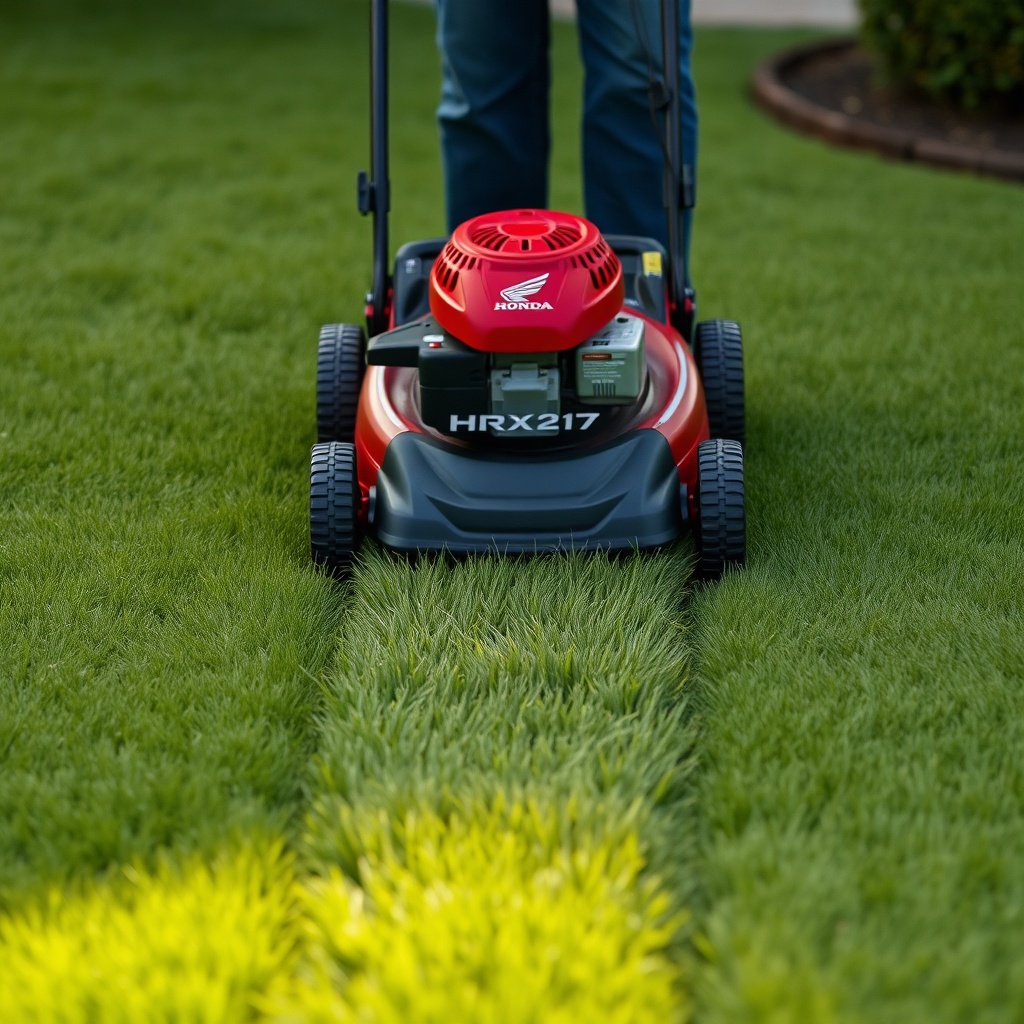
Long-term cut quality isn’t just about the first few mows; it’s about how the mower maintains its precision over seasons of use. The Honda HRX217 has a proven track record of the Nexite deck staying true and not warping, which is critical for a consistent blade-to-deck clearance. The GCV190 engine, while requiring occasional tuning (see our guide on Honda HRX217 GCV190 Engine: Tuning and Performance Tips), remains reliable for years. The blades themselves are easy to replace and the MicroCut system, with its two stacked blades, can be sharpened like conventional blades. The Toro Recycler 22, especially the steel-deck models, can develop rust along the internal edges after three or four years in a humid climate, which can slightly degrade the cut as the deck surface becomes rough. Cast aluminum models resist this but are heavier and more expensive. Considering both at around $550 for the base HRX217 and $450 for the basic Recycler 22, the Honda offers better long-term cut quality. The extra $100 is a small price for a mower that will still deliver a sharp, even lawn five years from now.
Frequently Asked Questions
Does the Honda HRX217 work better than the Toro Recycler 22 for bagging?
Yes, the HRX217 typically fills the bag more completely and with less clogging, thanks to the twin blades lifting and shredding clippings efficiently. The Toro Recycler 22 may leave some clippings clinging to the bag interior in damp conditions.
Can I use a mulching plug on both mowers to improve cut quality?
Yes, both mowers offer mulching plugs. The HRX217’s plug is designed to work with the dual-blade system for extremely fine mulch. The Toro Recycler 22’s plug emphasizes a recycling action that works well in dry grass but may cause clumping in wet conditions.
Is the MicroCut Quad Blade system on the HRX217 worth the extra maintenance?
Yes, especially if you value a clean cut. The quad system requires two blades instead of one, but both are easy to sharpen or replace. The improvement in cut uniformity and mulching ability far outweighs the extra few minutes of maintenance per season.
Does the Toro Recycler 22 cut better in tall grass than the Honda HRX217?
No, the HRX217 generally handles tall grass better because of its higher blade-tip speed and twin-blade lift. The Toro can struggle and leave a ragged edge when the grass exceeds 5-6 inches.
Which mower has a more consistent cut over a full season of mowing?
The Honda HRX217 is widely considered more consistent due to its rust-proof deck and precise height adjustment system. The Toro can still deliver a good cut, but its steel deck may degrade over time in humid environments.
Can I retrofit the MicroCut system to a Toro Recycler 22?
No, the MicroCut system is proprietary to Honda and requires the specific Nexite deck geometry and blade spacing of the HRX217. Retrofitting is not feasible and would void any warranty.
Final Verdict on Cut Quality
If cut quality is your top priority—especially for a lawn you’re proud to show off—the Honda HRX217 with its MicroCut Quad Blade system is the clear winner. It handles moisture, thatch, and uneven terrain better than the Toro Recycler 22, and it maintains that performance over years of use. The Toro Recycler 22 remains a solid, lighter, and slightly more affordable option for owners who mow dry, well-maintained lawns and don’t mind a less precise edge. But for the discerning homeowner who wants a truly uniform cut every time, the HRX217 is worth the premium. For more on keeping that cut quality sharp, including blade maintenance, check out our guide on the Honda HRX217 MicroCut Quad Blade System: Advantages and Maintenance.