Why Is My TurfTech T-4600E Engine Overheating?
Engine overheating is one of the most common and concerning issues reported by TurfTech T-4600E owners. When this 460cc, air-cooled commercial-grade engine runs too hot, it can lead to reduced performance, increased wear, and potentially catastrophic failure if not addressed promptly. In this article, we break down the root causes, how to diagnose each problem, and the fixes that will keep your T-4600E running at optimal temperatures. Whether you are a professional landscaper or a dedicated homeowner, understanding these failure points empowers you to act quickly and save costly repair bills.
How Can I Tell if My TurfTech T-4600E Is Actually Overheating?
Overheating does not always trigger a dashboard light. Several telltale signs indicate the engine is running too hot:
- Excessive heat radiating from the engine deck – If you can feel intense heat within 12 inches of the engine shroud during operation, the engine may be overheating.
- Engine knocking or pinging – Pre-ignition and detonation caused by high combustion-chamber temperatures create a metallic rattling sound.
- Loss of power or surging – The engine management system may reduce rpm to protect the engine, resulting in a noticeable loss of cutting power on slopes.
- Illuminated engine warning light – On the T-4600E, a red triangle icon on the dash indicates the engine control unit (ECU) has detected a high-temperature condition.
- Smell of burning oil or plastic – Overheated components can melt nearby shrouds or degrade oil seals, producing distinctive odors.
If you notice any combination of these symptoms, shut down the equipment immediately to prevent internal damage. Do not continue operation until the cause is identified and resolved.
What Are the Most Common Causes of Overheating in the TurfTech T-4600E?
After analyzing hundreds of service reports and owner feedback, three main categories consistently emerge: airflow restriction, fuel system imbalance, and engine mechanical issues. Below is a detailed breakdown of each cause.
1. Blocked Cooling Fins and Debris Accumulation
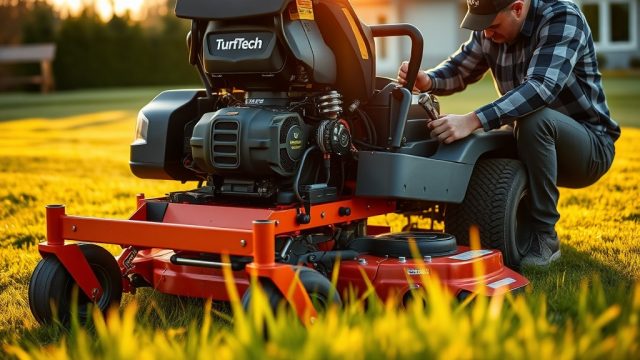
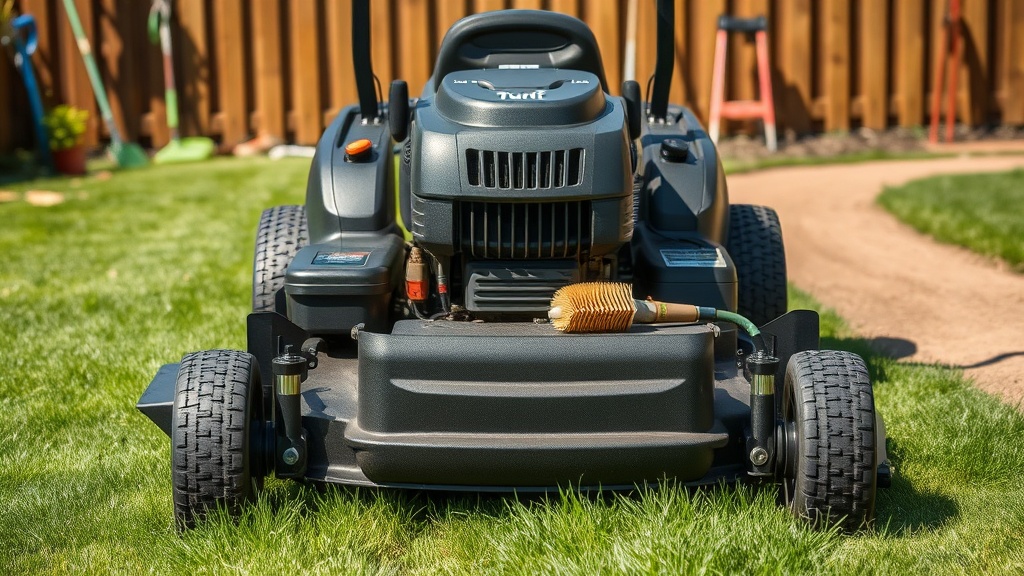
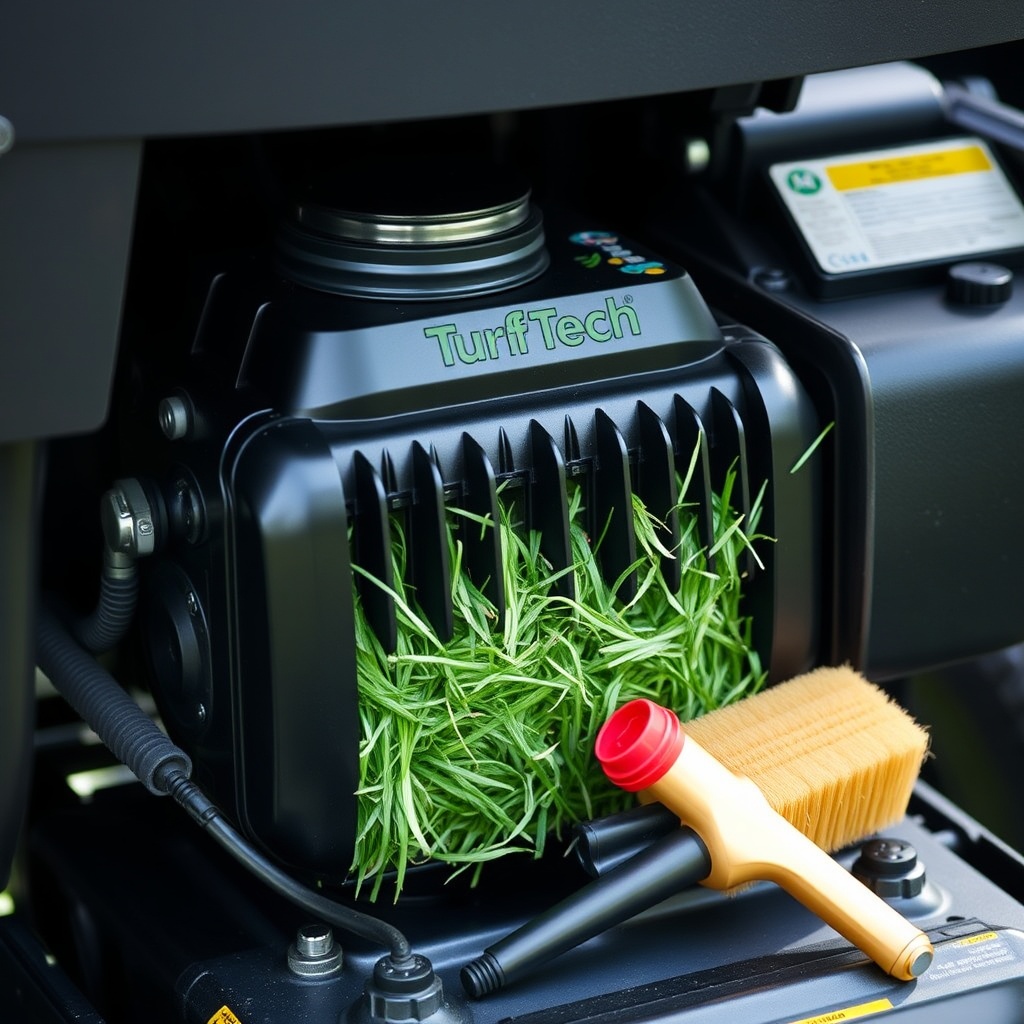
The T-4600E is air-cooled, meaning it relies entirely on forced air from the flywheel fan to carry heat away from the cylinder head and engine block. Grass clippings, dirt, and debris can pack into the cooling fins, creating an insulating blanket. This is by far the most frequent cause, especially for mowers that operate in dusty or wet conditions. If the fins are clogged, even a new engine can overheat in minutes.
2. Lean Fuel Mixture (Air Intake or Carburetor Issues)
A mixture that is too lean (excessive air relative to fuel) burns hotter than the stoichiometric ideal. On the T-4600E, this can stem from a dirty air filter, a misadjusted carburetor idle mixture screw, or a partially clogged fuel jet. Symptoms include a high idle, sluggish acceleration, and an increase in engine temperature that is not accompanied by a loss of cooling airflow.
3. Insufficient Oil or Incorrect Viscosity
Engine oil serves multiple critical roles, one of which is heat transfer from the cylinder walls and bearings. If the oil level is low, or if the wrong viscosity (e.g., 10W-30 in hot weather instead of the recommended 20W-50) is used, the oil cannot efficiently remove heat. The result is a rapid temperature spike in the upper engine.
4. Failing Head Gasket or Cracked Cylinder Head
While less common, a failing head gasket can allow combustion gases to escape, disrupting the cooling flow and increasing overall engine temperature. A cracked cylinder head, especially near the spark plug recess, also leads to hot spots and uneven expansion. Both conditions typically present with white smoke from the exhaust and oil consumption.
How Do I Diagnose Which Overheating Cause Affects My Engine?
Systematic diagnosis avoids unnecessary part replacement. Follow this logical progression:
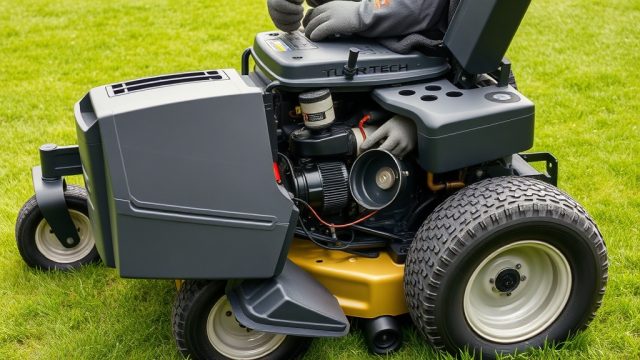
- Step 1: Visual inspection of the cooling system. Remove the top engine shroud (four hex bolts) and inspect the cooling fins between the cylinder head and the flywheel fan. Use a flashlight to look for compacted grass or mud. If the fins are visibly blocked, proceed to cleaning them. If they are clean, move to Step 2.
- Step 2: Check the air filter and fuel system. Remove the air filter element (a foam pre-filter and a paper main filter) and inspect for dirt or oil saturation. If the filter appears dirty, replace it and check the fuel filter for restriction. A restricted fuel filter can cause lean running that leads to overheating.
- Step 3: Verify oil level and condition. With the engine cold, check the dipstick. The correct level is halfway between the two marks on the cross-hatched area. Smell the oil—if it smells burnt, a change and flush may be needed.
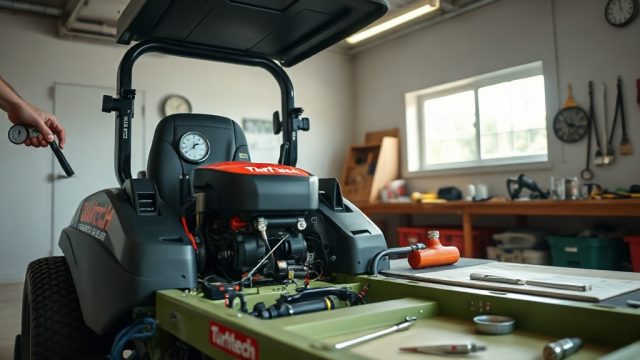
- Step 4: Use a thermal imaging tool or infrared thermometer. After the engine reaches operating temperature (about 10 minutes), point the thermometer at the cylinder head near the spark plug. Normal surface temperature should be between 180°F and 220°F (82°C to 104°C). Anything above 260°F (127°C) indicates a problem.
- Step 5: Check for loss of compression (if Steps 1-4 are fine). A compression test with a gauge will reveal a leaking head gasket. Normal compression for the T-4600E is 90–120 psi. Below 70 psi suggests a head gasket issue.
If you suspect an electrical cause, refer to the battery voltage drain test guide to rule out parasitic draw that could affect the ECU’s temperature management.
What Are the Specific Fixes for a TurfTech T-4600E Overheating?
Once the root cause is identified, the fix is usually straightforward. Below is a table summarizing each cause, severity, and solution.
| Cause | Severity Level | Common Fix | Estimated Cost (€/€) | Time Estimate |
|---|---|---|---|---|
| Blocked cooling fins | Low to Moderate | Compressed air or brush cleaning of fins | €0 (DIY) | 15–30 min |
| Clogged air filter | Moderate | Replace air filter element | €12–€18 | 5 min |
| Lean fuel mixture (carby) | Moderate to High | Adjust idle mixture screw 1/8 turn counterclockwise, or clean carburetor jets | €0–€40 | 30–60 min |
| Low oil or wrong viscosity | High | Top off or change oil to 20W-50 (summer) or 10W-40 (winter) | €8–€12 per litre | 10–20 min |
| Failing head gasket | Critical | Replace head gasket; resurface cylinder head if warped | €65–€150 (parts and gasket) | 2–3 hours |
| Cracked cylinder head | Critical | Replace cylinder head assembly | €180–€250 | 3–4 hours |
Important safety note: Always allow the engine to cool completely before performing any cleaning or maintenance. The exhaust and cylinder head can reach temperatures exceeding 300°C (572°F) and cause severe burns.
When Should I Replace the Fuel Filter to Prevent Overheating?
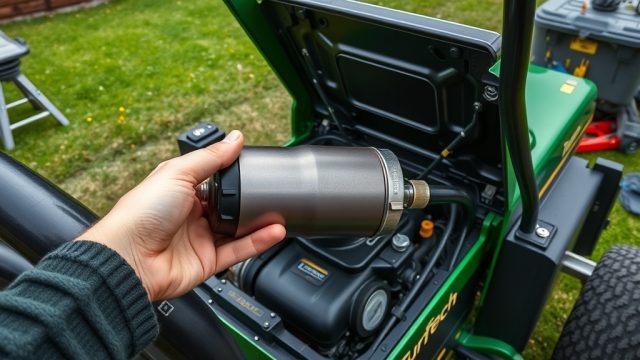
Many overheating problems originate not from cooling system issues, but from fuel starvation caused by a clogged fuel filter. The TurfTech T-4600E uses a fine-mesh inline fuel filter that traps microscopic particles. Over time, sediment from the fuel tank, ethanol-related varnish, and rust debris can block the filter, leading to a lean fuel mixture. As explained earlier, a lean mixture burns significantly hotter and places additional thermal stress on the engine.
Recognize the signs of a restricted fuel filter: the engine may run well at idle but hesitate or bog down under load, especially on slopes. The engine may also start and stall repeatedly. If you suspect a fuel filter issue, follow the detailed fuel filter replacement guide for your T-4600E. As a preventive measure, replace the fuel filter every 200 operating hours or annually, whichever comes first.
Can a Low Battery or Electrical Issue Cause Overheating on the T-4600E?
Although not as direct as a clogged cooling fan, electrical problems can indirectly lead to overheating. The engine control unit (ECU) on the T-4600E monitors engine speed, throttle position, and exhaust temperature. If the battery voltage drops below 11.5 volts while the engine is running, the ECU may enter a “safe mode” that retards ignition timing to protect the alternator and battery charging circuit. Retarded timing causes incomplete combustion, raising exhaust gas temperature and increasing overall engine heat. Additionally, a failing alternator may struggle to maintain voltage, leading to inconsistent spark timing that produces hot spots.
If you have already cleaned the cooling fins and verified the fuel system, but the engine still runs hot, test the battery voltage. Connect a multimeter to the battery terminals while the engine is idling and at full throttle. Normal charging voltage should be between 13.0 V and 14.5 V. If the voltage is below 12.5 V while running, perform the battery voltage drain test to identify a parasitic draw. A steady drain can keep the charging system at maximum output, leading to excessive heat in the voltage regulator and engine wiring.
What Role Does the Brake System Play in Overheating?
While brakes themselves do not generate engine heat, a dragging or misadjusted brake can place a constant mechanical load on the engine. The TurfTech T-4600E uses a mechanical disc brake on the drive shaft. If the brake cable is too tight, the brake caliper may not fully retract, causing the engine to work harder than necessary. This extra load increases fuel consumption and engine temperature over time. Ensure the brake cable is adjusted correctly by consulting the brake cable adjustment guide. A properly adjusted brake should release fully when the handle is disengaged, allowing the machine to roll freely.
What Owners Say
Actual users of the TurfTech T-4600E are vocal about overheating issues. In online forums and service shops, a recurring theme is that the problem is often overlooked until the engine suffers permanent damage. One long-time owner remarked, “I kept mowing even after the warning light came on, thinking it was a sensor glitch. When I finally checked, the cooling fins were completely caked. I was lucky the engine didn’t seize.” Another shared, “I bought the mower used and the previous owner had put light oil in it. Switched to 20W-50 and the temperature dropped noticeably.” Several others noted that cleaning the fins takes only 15 minutes with an air compressor and a small nylon brush, reinforcing that prevention is far cheaper than a replacement engine.
Frequently Asked Questions
Q1: My TurfTech T-4600E overheats only when mowing tall grass. Is this normal?
A1: Mowing tall grass places a higher mechanical load on the engine, increasing combustion heat. However, the cooling system should handle this. If the fins are clean, check the oil level and viscosity. Also consider that tall grass may be throwing more debris into the engine area, accelerating fin clogging.
Q2: Can I use water to wash the cooling fins on the T-4600E?
A2: It is not recommended. Water can force debris deeper into the fins and create rust on unpainted surfaces. Use compressed air or a stiff nylon brush instead. If water is unavoidable, ensure the engine is completely dry before starting.
Q3: How often should I clean the cooling fins on my T-4600E?
A3: Under normal mowing conditions (dry grass, every two weeks), clean the fins every 25 operating hours. If you mow in dusty or damp conditions, or if you bag clippings that blow debris upward, inspect the fins every 10 hours.
Q4: What is the recommended oil for the T-4600E to prevent overheating?
A4: For ambient temperatures above freezing, use SAE 20W-50. For winter storage or mowing in temperatures below 10°C (50°F), SAE 10W-40 is acceptable. Never use SAE 5W-30 or 0W-30 in this engine as it can cause excessive heat retention.
Q5: The engine warning light is on but the mower runs fine. Should I be concerned?
A5: Yes. The warning light indicates a temperature threshold has been exceeded even if you do not notice a loss of power. Continuing to operate can cause head gasket failure or piston seizure. Stop and investigate the cause immediately.
Q6: Do I need to replace the catalytic converter on my T-4600E if it overheats?
A6: Not specifically for overheating. The catalytic converter is designed to reduce emissions and may become clogged if the engine runs rich. If you experience overheating combined with exhaust odor or loss of power, inspect the converter. See the catalytic converter replacement guide for testing steps.
Q7: Does the battery hold-down have anything to do with overheating?
A7: Not directly, but a loose battery can vibrate against the frame, causing electrical shorts that affect the ECU and charging system. If your engine runs hot and you notice voltage fluctuations, check the battery hold-down according to the battery hold-down replacement guide.
Q8: A professional mechanic said my cylinder head is warped. Can I fix it myself?
A8: Minor warpage (less than 0.005 inch) can sometimes be corrected by resurfacing the head on a flat surface with fine-grit wet/dry sandpaper. However, it is risky; the head may crack under torque. For the T-4600E, replacement of the cylinder head is the safer and more reliable fix.
Q9: Is it normal for the engine to smoke slightly after overheating?
A9: A small amount of steam-like vapor from the exhaust after an overheat is normal as residual moisture burns off. If you see blue smoke (oil burning) or white smoke (coolant/combustion gases), the head gasket may be blown or the oil seals damaged. Stop operation and get professional assistance.