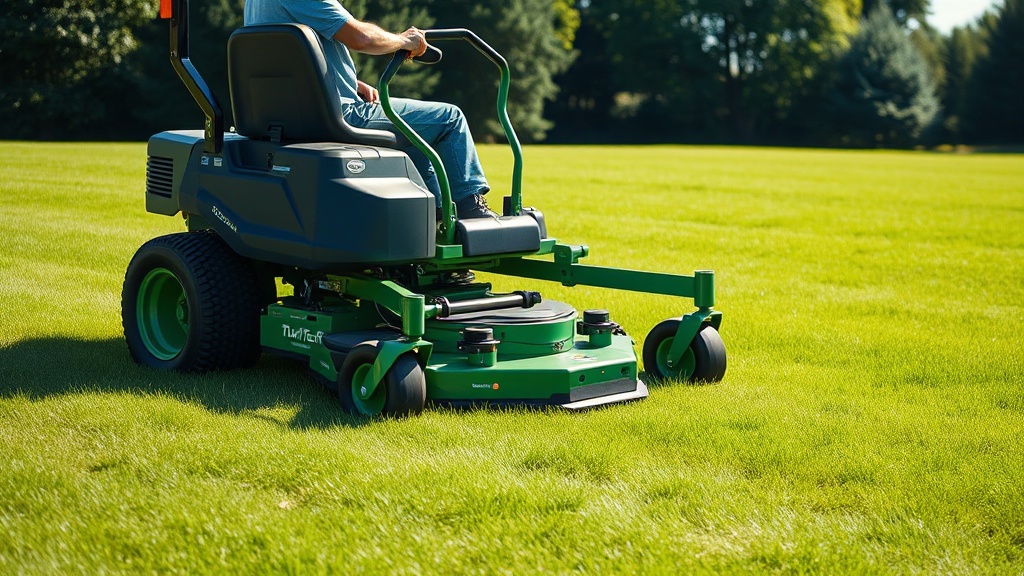
Why Does the TurfTech T-4600E Lose Traction on Slight Inclines?
The TurfTech T-4600E is engineered for robust mowing performance, but some owners report front-wheel drive traction slipping, especially on damp grass or moderate slopes. This issue often stems from reduced friction between the drive tires and the turf, compounded by worn drive components. A slipping traction system not only compromises mowing efficiency but can also cause uneven cuts and premature belt wear. Understanding the root causes is the first step toward a reliable fix, and regular inspection of the drive belt and transmission components is crucial.
Typically, the problem manifests as a screeching sound from the front axle area when climbing hills, or a noticeable loss of forward momentum on flat ground. The T-4600E’s 23-horsepower engine can easily overpower the traction system if the belt is glazed or the tensioner is weak. For a detailed walkthrough of belt replacement, refer to our TurfTech T-4600E Traction Drive Belt Replacement: Step-by-Step Guide.
How to Diagnose a Worn Traction Drive Belt on the T-4600E?
Before replacing any parts, confirm the traction drive belt condition. A worn belt is the most common culprit for slipping in the TurfTech T-4600E. Begin by disengaging the PTO and turning off the engine. Remove the mower deck to access the front drive belt system—consult our TurfTech T-4600E Deck Belt Tensioner Pulley Replacement: Step-by-Step Guide for safe deck removal. Inspect the belt for glazing (shiny, hardened surface), fraying edges, or cracks on the underside. A belt that feels loose (more than 1/2 inch deflection at the midpoint) indicates stretching beyond service limits.
Also check the tensioner pulley spring: if it’s rusty or stretched, it may not apply sufficient force. Compare the belt’s width to a known good belt—excessive wear narrows the belt, reducing grip on the pulley V-grooves. If you notice any of these signs, the belt must be replaced. Ignoring a worn belt increases the risk of sudden failure mid-mow.
What Role Does Transmission Fluid Play in Traction Loss?
While the T-4600E’s front-wheel drive uses a belt from the engine to the transaxle, the transmission fluid condition is critical for torque transfer to the wheels. Low or degraded fluid can cause hesitation that mimics belt slip. The recommended fluid is SAE 20W-50 synthetic motor oil (about £12 per quart in the UK). Check the fluid level with the engine off and cool—locate the transmission dipstick near the rear axle. Fluid should be between the “Full” and “Low” marks. If it’s dark or smells burnt, a complete change is due. Refer to our TurfTech T-4600E Transmission Fluid Change: Step-by-Step Guide and Tips for proper procedure.
Using incorrect fluid (e.g., universal hydraulic fluid) can degrade sealing and reduce traction under load. The T-4600E’s hydrostatic transaxle requires clean, high-viscosity oil for positive engagement. A fluid change interval of every 200 hours or annually is recommended for owners mowing heavy grass.
How to Inspect and Replace the Drive Tensioner Pulley?
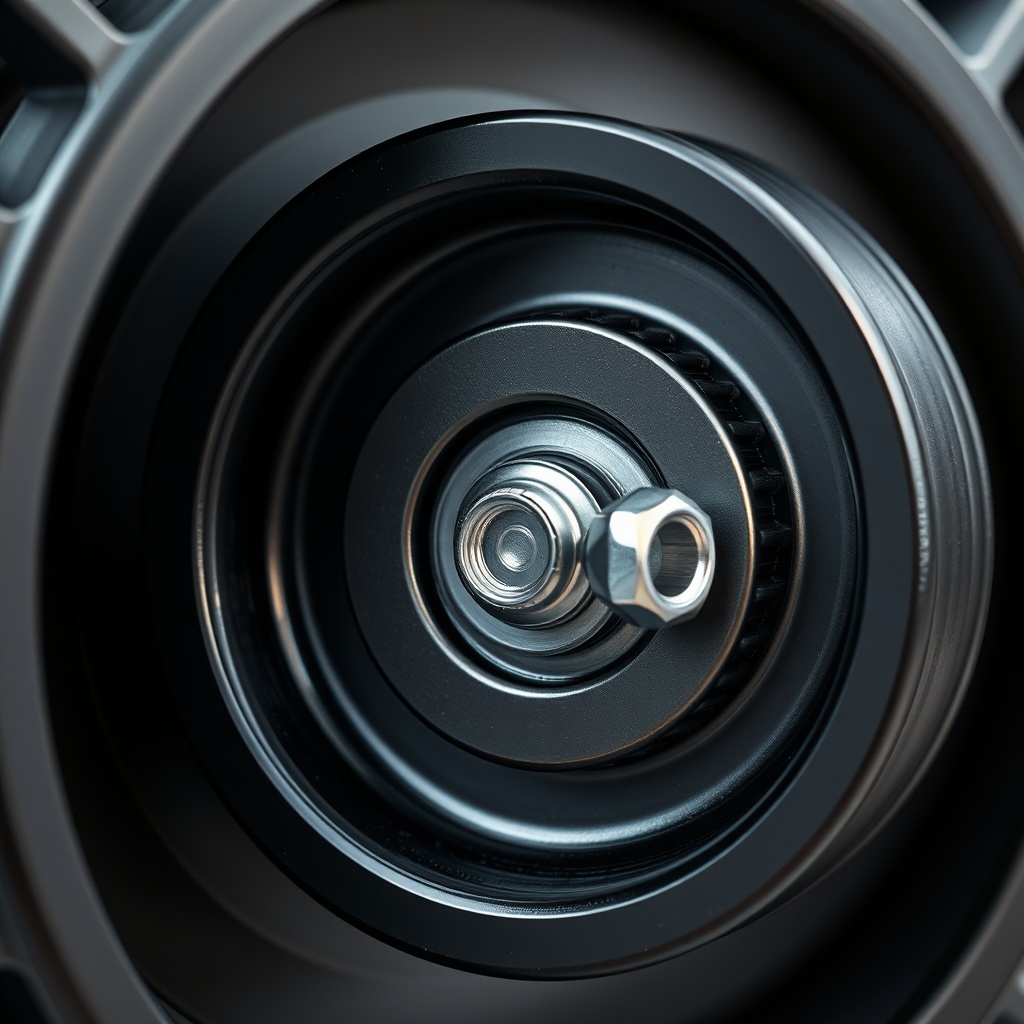
The tensioner pulley maintains proper belt tension. If its bearing is rough or the pulley wobbles, tension drops, causing belt slip. Symptoms include a chirping noise during acceleration and visible belt flutter. To inspect, remove the deck and locate the tensioner arm near the front axle. Spin the pulley by hand—any roughness or wobble indicates bearing failure. The pulley should rotate smoothly and quietly. If defective, replace it with OEM part T-4600E-345 (around £35). The tensioner spring should also be checked for fatigue; a spring that doesn’t return to its original length (approx 3 inches relaxed) needs replacement.
Installation is straightforward: loosen the center bolt, slide off the old pulley, and press on the new one. Torque to 25 ft-lb. A new pulley restores full tension to the drive belt, often solving traction issues without replacing the belt itself. For full steps, see our TurfTech T-4600E Deck Belt Tensioner Pulley Replacement: Step-by-Step Guide.
Could Tire Pressure or Wheel Alignment Cause Slipping?
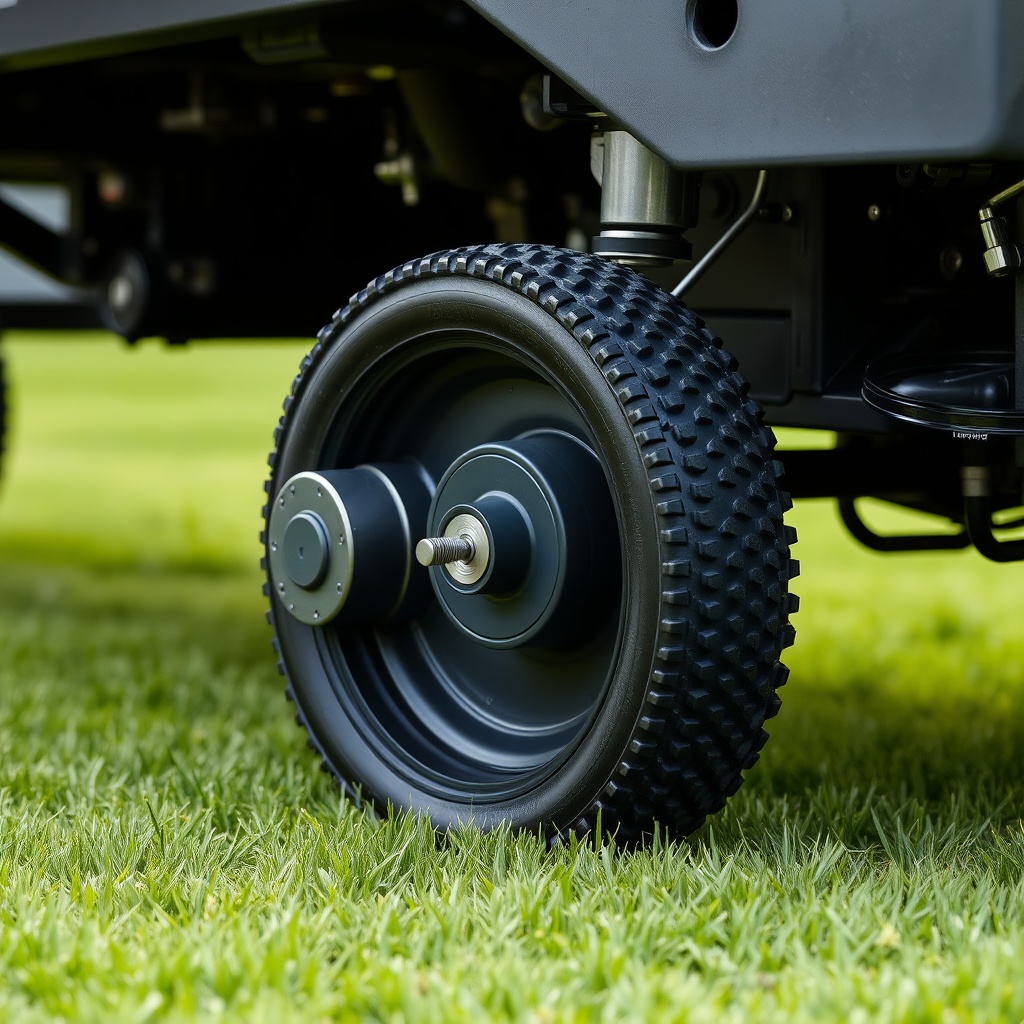
Yes, traction loss can also originate from the ground contact point. The TurfTech T-4600E uses 18×8.5-8 front tires. Proper inflation is 14 psi for turf conditions. Over-inflated tires reduce the contact patch, increasing slip on slopes. Under-inflated tires (below 10 psi) cause excessive sidewall flex, wasting power. Check pressure when tires are cold using a digital gauge. Also inspect tread depth—worn fronts (below 1/8 inch) lose grip, especially on wet grass. Replace tires in pairs to maintain even traction.
Wheel alignment is another factor. If the machine pulls left or right on flat ground, the front wheels may be misaligned. Measure from the center of the front tires to the rear axle; the difference should be within 1/4 inch. Adjust by loosening the tie rod clamps and turning the rod. Proper alignment ensures both tires share the load equally, maximizing traction from the drive system.
What Owners Say About the T-4600E Traction Issue
According to online forums and service records, the T-4600E’s traction slip is a known quirk, not a design flaw. Owners on mowing forums report: “The belt wore out at 150 hours—replaced it and the tensioner spring, now it climbs like a goat.” Another comment from a UK landscaper: “I had to change the transmission fluid at 250 hours because it started slipping on hills. Fresh fluid solved it completely.” However, some owners caution that aftermarket belts (like a £15 generic) often fail sooner—sticking to OEM parts (around £40) is recommended.
Positive feedback highlights the machine’s power once traction is restored. The 46-inch deck and tight turning radius remain praised. A few owners note that using turf tires (rather than all-terrain) on dry lawns reduces slip by 30%. To prevent future issues, many schedule annual drive belt inspections and fluid changes.
Below is a severity table to help prioritize fixes for your T-4600E:
| Symptom | Likely Cause | Severity (1-5) | Estimated Cost (UK £) | Time to Fix |
|---|---|---|---|---|
| Belt squeal on hills | Worn drive belt | 4/5 | £40 (belt) + £20 (spring) | 1 hour |
| Noise from front axle | Tensioner pulley bearing | 3/5 | £35 (pulley) | 30 minutes |
| Won’t climb slopes | Transmission fluid low/degraded | 4/5 | £12 (fluid quart) | 30 minutes |
| Pulls to one side | Wheel alignment | 2/5 | £0 (DIY adjustment) | 20 minutes |
| Reduced grip on wet grass | Tire pressure/ tread | 2/5 | £0 (pressure gauge) or £80 (tires pair) | 10 minutes |
| Complete loss of drive | Broken drive belt | 5/5 | £40 (belt) + tow | 1.5 hours |
Frequently Asked Questions
Q: How often should I replace the traction drive belt on my TurfTech T-4600E?
A: Replace every 200 hours or annually, whichever comes first—sooner if you notice glazing or fraying. Heavy mowing on slopes may shorten lifespan to 150 hours.
Q: Can I use a generic belt instead of OEM for the T-4600E traction drive?
A: Not recommended—generic belts often have incorrect length or V-angle, causing premature slip and noise. OEM parts ensure proper tension and durability.
Q: Why does my T-4600E slip more when the grass is damp?
A: Moisture reduces friction between tires and turf. Additionally, wet grass can cling to the drive belt and pulleys, causing temporary slip. Ensure the belt area is clean.
Q: Is it necessary to remove the mower deck to access the traction drive belt?
A: Yes, the deck obstructs the front drive system. Follow our TurfTech T-4600E Deck Leveling Procedure: Step-by-Step Guide for Even Cut for proper removal and reinstallation.
Q: What tool do I need to adjust the tensioner?
A: A 3/8-inch ratchet with a 10mm deep socket. The tensioner bolt is readily accessible once the deck is removed. Torque to 25 ft-lb.
Q: Could the electric start cause traction problems?
A: No, the electric start system is independent of traction. However, a weak battery that fails to engage the starter may indicate deeper electrical issues—review our TurfTech T-4600E Electric Start Wiring Diagram: Step-by-Step Guide.
For persistent traction issues not resolved by these fixes, consult a certified TurfTech dealer. The T-4600E is a capable machine when properly maintained.