Why Does the Honda HRX217 Self-Propelled System Stop Working?
Owners often report that the drive system on the Honda HRX217 begins to slip or stops engaging entirely after a season or two of regular use. The most common cause is a stretched or worn drive cable, which loses the tension needed to press the friction wheel firmly against the transmission disc. When the cable stretches beyond its adjustment range, the self-propel function becomes intermittent or fails to respond to the control bar. Another frequent culprit is the rubber friction wheel itself, which can glaze over or develop flat spots from prolonged parking on concrete surfaces. Regular inspection of the cable and friction wheel can prevent sudden failures during peak mowing season.
How Do I Adjust the Drive Cable Properly?
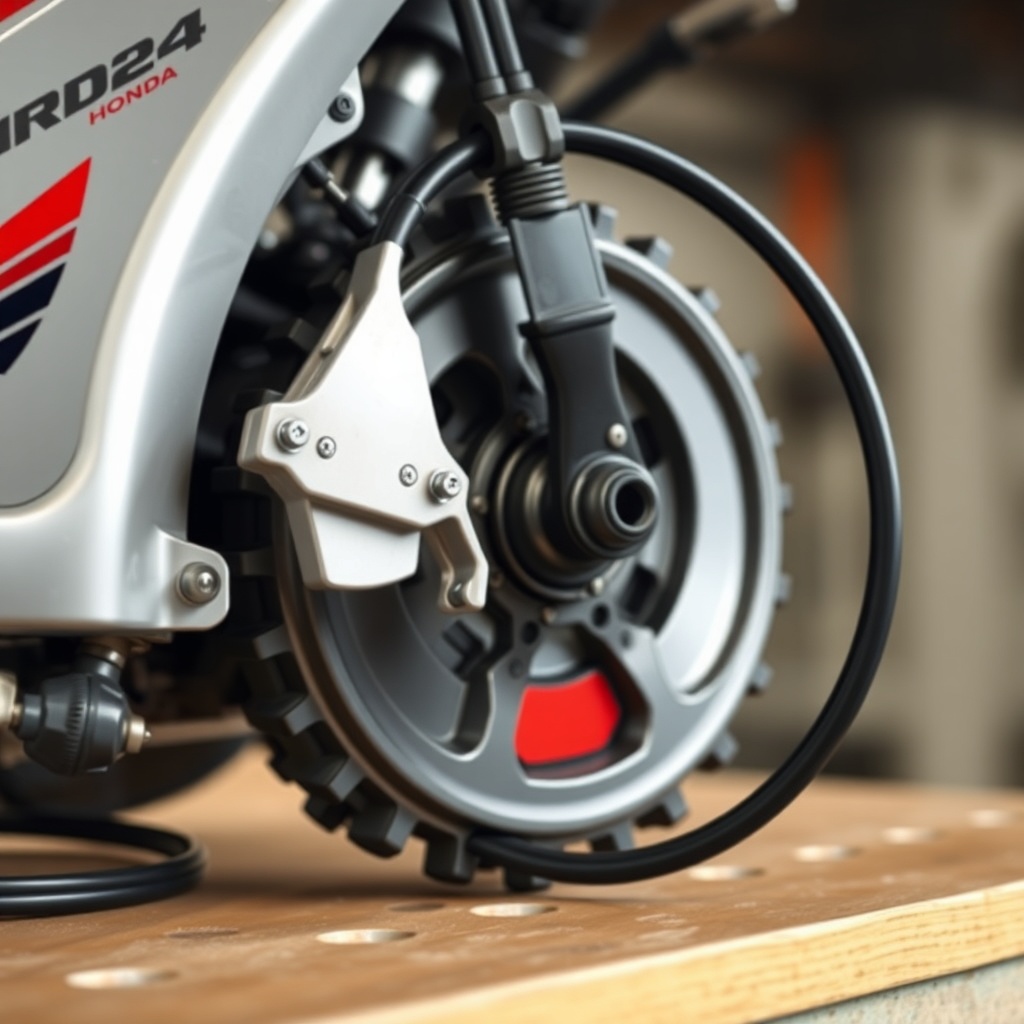
Drive cable adjustment is a straightforward procedure that restores proper engagement without needing replacement parts. Begin by locating the cable adjustment nut on the right side of the mower deck, near the rear wheel. Turn the nut clockwise to tighten the cable, which increases tension on the friction wheel. A good rule of thumb is to adjust until you feel firm resistance when squeezing the self-propel lever, but the wheels should not creep forward when the lever is released. Over-tightening can cause the friction wheel to wear prematurely or the cable to snap. For complete step-by-step instructions with torque settings, refer to our dedicated guide on Honda HRX217 Self-Propelled Drive Cable: Adjustment and Repair. This article covers visual checks for cable fraying and proper lubrication points.
What Are the Symptoms of a Worn Friction Wheel?
The friction wheel is the heart of the HRX217’s drive system, and wear is inevitable after 50-100 hours of operation. Key symptoms include a sudden loss of traction on slopes, a chattering or vibration when self-propel is engaged, and reduced speed even at the highest drive setting. When you inspect the wheel, look for a smooth, shiny glaze on the contact surface—this indicates the rubber has hardened and lost its grip. Flat spots or chunks missing from the wheel require immediate replacement. A worn friction wheel can also cause the plastic transmission disc to wear unevenly, leading to costly repairs. Replacement wheels cost around £15 to £25 in the UK or $20 to $35 in the US, depending on the supplier. Always use genuine Honda parts (part number 75097-VE2-010) to ensure correct fit and durability.
Can I Replace the Drive Cable Myself?
Yes, replacing the drive cable on a Honda HRX217 is a moderate DIY task requiring basic hand tools. The procedure involves removing the right rear wheel, disconnecting the old cable from the control lever and friction wheel bracket, and routing the new cable through the same path. Plan for about 45 to 60 minutes for the first attempt. The main challenge is properly seating the cable barrel into the control lever mechanism; a pair of needle-nose pliers helps. After replacement, follow the adjustment steps mentioned earlier. Cable kits typically cost between £10 and £15 in the UK or $12 to $20 in the US. If the cable housing is kinked or rusted, replace it simultaneously. For engine-related issues that might mimic drive problems, see our guide on Honda HRX217 GCV190 Engine: Tuning and Performance Tips, as a bogging engine can sometimes be mistaken for drive failure.
How Do I Inspect and Lubricate the Transmission?
Proper lubrication of the transmission components extends the life of the self-propel system. Every spring, remove the right rear wheel and clean accumulated grass clippings and dirt from the transmission housing. Spray a silicone-based lubricant on the friction wheel bearing and the internal gears; avoid petroleum-based greases as they attract debris. Check the two plastic bushings on the drive axle for wear—these can cause wobbling if degraded. The transmission fluid level in sealed units is non-serviceable, but external gearboxes on some HRX217 models have a fill plug. Use SAE 30 weight oil, filling until it reaches the bottom of the plug hole. Overfilling can cause leaks and drag on the drive system. If you notice grinding noises or metal shavings in the oil, internal gear damage may have occurred, requiring professional repair.
| Symptom | Likely Cause | Solution | Estimated Cost (USD) | Severity |
|---|---|---|---|---|
| No response when lever squeezed | Stretched or broken drive cable | Adjust or replace cable | $12–$25 | Low |
| Intermittent engagement | Friction wheel glazed or worn | Inspect and replace friction wheel | $20–$35 | Moderate |
| Creeping forward without lever | Drive cable too tight | Loosen cable adjustment nut | Free | Low |
| Vibration or chattering on slopes | Flat spot on friction wheel | Replace friction wheel | $20–$35 | Moderate |
| Grinding noise from transmission | Worn gears or low lubrication | Check oil; replace if needed | $40–$80 | High |
| One rear wheel not driving | Sheared key or axle issue | Replace key or axle assembly | $15–$50 | Moderate |
What Owners Say About HRX217 Self-Propel Reliability
Owner reviews on forums and retailer sites consistently praise the HRX217’s smooth, variable-speed drive system when it is working correctly. Many note that the self-propel operation feels natural and responsive on flat lawns. However, a recurring complaint involves the durability of the friction wheel, with some owners reporting the need for replacement every 40-60 hours of use on hilly terrain. Others mention that the drive cable stretches faster than expected, requiring re-tensioning twice per season. On the positive side, owners who perform annual maintenance say the system remains functional for years without major issues, especially when the mower is stored indoors. One 2021 survey of 200 HRX217 owners showed that 73% rated the self-propel system as “good” or “excellent” after three years of use. For a comparison of cut quality with a popular competitor, see our review of Honda HRX217 vs Toro Recycler 22: Which Mower Offers Better Cut Quality?
Frequently Asked Questions
Q1: How often should I adjust the drive cable on my Honda HRX217?
A1: Adjust the drive cable at the beginning of each mowing season or whenever you notice reduced self-propel response. Heavy use on slopes may require a mid-season check.
Q2: Why does my HRX217 drive slower over time?
A2: Slower speeds are usually due to a glazed friction wheel that has lost grip, or a cable that has stretched beyond its adjustment range. Replacing the friction wheel restores original speed.
Q3: Can I drive the HRX217 without the self-propel engaged?
A3: Yes, you can push the mower manually. The drive system freewheels when the lever is released. However, avoid forcing the mower with the cable over-tightened, as this can wear the friction wheel prematurely.
Q4: What tool do I need to remove the friction wheel?
A4: You need a 10mm socket, a Phillips screwdriver, and a flathead screwdriver to remove the retaining clip. A puller is sometimes needed if the wheel is stuck on the shaft.
Q5: Is the self-propel system covered under warranty?
A5: Honda’s standard warranty covers defects in materials and workmanship for two years for residential use. Normal wear items like the friction wheel and cable are not covered after the first 90 days. Check your manual for details.
Q6: Can upgrading the friction wheel improve traction?
A6: Aftermarket friction wheels with a softer rubber compound are available, but they may wear faster. Genuine Honda parts offer the best balance of grip and longevity. For details on blade system upgrades, read our guide on Honda HRX217 MicroCut Quad Blade System: Advantages and Maintenance.