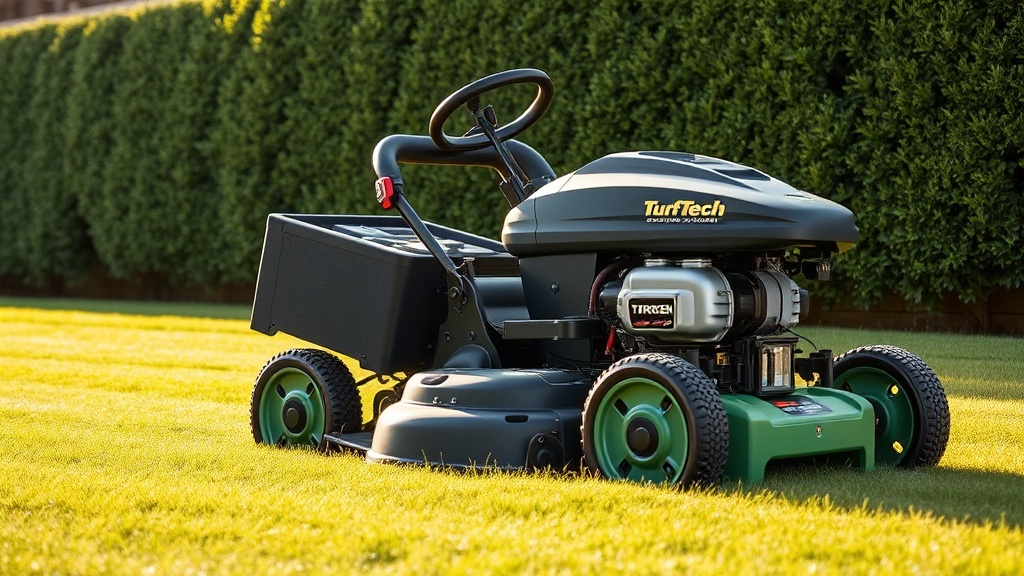
Why Convert Your TurfTech T-4600E to Electric Start?
The TurfTech T-4600E has long been a workhorse for homeowners and light commercial users, but the traditional recoil start can become a pain point as the engine ages. An electric start conversion eliminates the strain of pulling a cord, reduces the risk of shoulder and back injuries, and provides reliable starting even in cold weather or after periods of disuse. This article walks through the installation process, the specific benefits for the T-4600E, and common troubleshooting steps. For a deeper dive into engine issues that might make starting difficult, see our guide on TurfTech T-4600E OHV Engine: Common Problems and Troubleshooting Tips.
What Components Are Included in the Electric Start Conversion Kit?
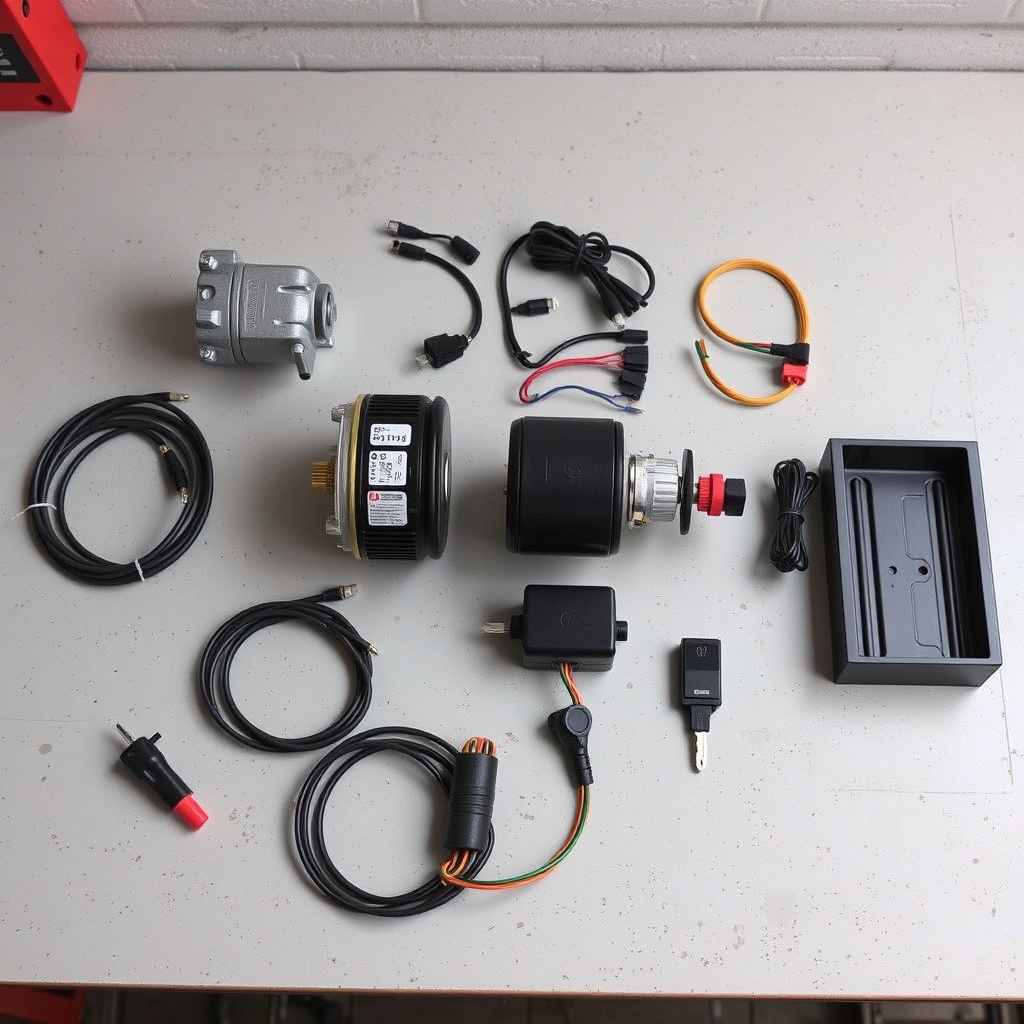
A standard electric start conversion for the TurfTech T-4600E typically includes a starter motor, a mounting bracket, a solenoid, a wiring harness, a key switch assembly, and a battery tray. Some kits also come with a ring gear that attaches to the flywheel, though many newer T-4600E models already have a ring gear installed. The battery is usually sold separately; you will need a 12V, 20–30 amp-hour sealed lead-acid or AGM battery. Always verify compatibility with your specific T-4600E serial number—older units may require a modified flywheel.
How Do You Install the Electric Start on a TurfTech T-4600E?
Installation can be completed in a few hours with basic hand tools—socket wrench set, screwdrivers, wire strippers, and a multimeter. Follow these steps:
- Disconnect the spark plug and remove the blower housing to access the flywheel area. Note the position of the recoil starter assembly.
- Mount the starter motor using the provided bracket. On most T-4600E models, the bracket bolts to the engine block using existing holes near the flywheel. Tighten to the manufacturer’s torque specification (typically 18–22 N·m).
- Attach the ring gear if your flywheel does not already have one. This involves removing the flywheel, pressing on the ring gear, and re-installing the flywheel—a step best left to a dealer if you lack experience.
- Wire the solenoid and key switch following the kit’s diagram. The solenoid connects the battery positive to the starter motor; the key switch controls the solenoid’s activation.
- Install the battery tray on the mower frame, usually near the handlebar support. Secure the battery with the hold-down strap.
- Connect the wiring harness from the battery to the solenoid, and from the solenoid to the starter. Confirm the ground wire is connected to a clean, unpainted frame bolt.
- Test the system before reinstalling covers. Turn the key to START; the starter should engage and spin the engine. If it does not, check all connections and battery voltage.
If you encounter engine performance issues after conversion, such as hard starting or hesitation, consult TurfTech T-4600E OHV Engine: Common Problems and Troubleshooting Tips for diagnosis.
What Are the Key Benefits of Electric Start Over Recoil Start?
The primary benefit is convenience, but there are several other practical advantages:
- Reduced physical strain—no more repetitive pulling, which is especially helpful for users with arthritis or limited arm strength.
- Faster starts—especially in cold weather when recoil pull can require multiple attempts.
- Consistent cranking speed—the electric starter spins the engine at a constant speed, improving the chances of first-pull ignition.
- Added safety—a key switch reduces the risk of unauthorized use, and integrated safety interlocks can be added to the wiring.
- Resale value—many buyers view electric start as a premium feature, making your T-4600E easier to sell.
Note that electric start adds weight (about 2–3 kg) and requires battery maintenance. However, for most users, the trade-off is well worth it.
What Common Problems Occur After Electric Start Conversion?
While the conversion is straightforward, a few issues can arise:
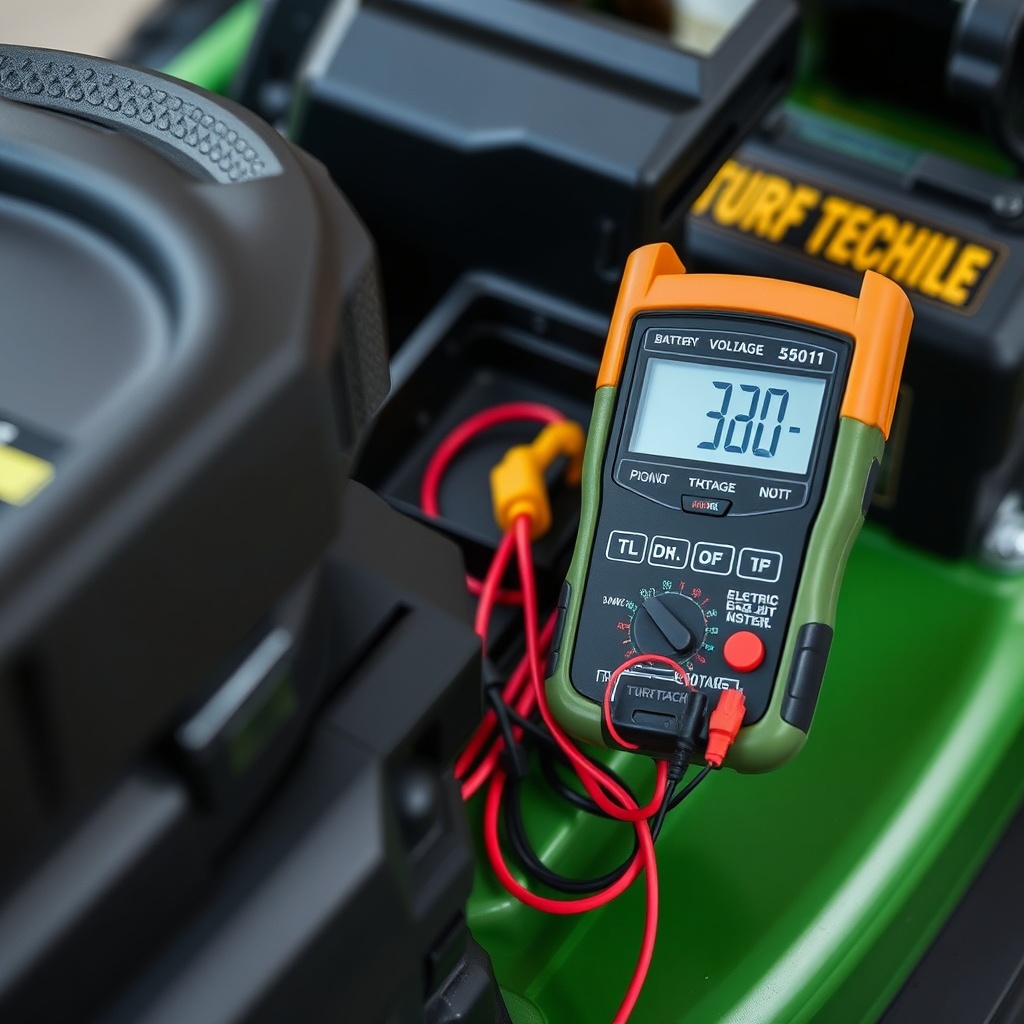
- Starter motor won’t engage—often due to a dead battery, loose wiring, or a faulty solenoid. Check battery voltage (should be 12.6V or higher) and clean all connections.
- Starter spins but doesn’t turn engine—the ring gear may not be aligned, or the starter gear is not reaching the flywheel. Re-check the starter mounting bolts and gear depth.
- Key switch fails—low-quality switches can corrode internally. Replace with a marine-grade switch rated for at least 30A.
- Battery drains quickly—parasitic draw from a stuck solenoid or incorrect wiring can kill the battery overnight. Disconnect the battery when storing for more than a week.
For vibration-related problems that can affect start reliability, also read our guide on TurfTech T-4600E Blade Balance Issues: Diagnosis and Fix.
| Feature | Recoil Start | Electric Start (after conversion) |
|---|---|---|
| Effort to start | Moderate to high physical pull | Minimal (turn key) |
| Cold weather reliability | Often struggles | Consistent, easier |
| Maintenance requirements | Low (cord and pulley) | Moderate (battery, solenoid, connections) |
| Added weight | None | ~2.5 kg (battery + starter) |
| Typical kit cost (GBP £) | N/A | £85 – £130 |
| Battery cost (GBP £) | N/A | £20 – £40 |
| Installation time | N/A | 2–4 hours |
| Safety features | Basic (operator presence bar) | Optional key lock, interlock integration |
What Owners Say About the Electric Start Upgrade
Feedback from TurfTech T-4600E owners who have performed the conversion is generally positive. One user from Kent reported, “I fitted the electric start kit two seasons ago. No more sore shoulders. The key start is brilliant, especially when the grass is wet and I have to dash out.” Another owner from Yorkshire noted, “I had a few issues with the wiring diagram being unclear, but once I got the battery ground right, it worked perfectly. I wish I’d done it years ago.” A third user in Scotland highlighted, “Be careful with the battery tray fitment—I had to drill one extra hole to mount it securely. But overall, it’s a game-changer for a solid mower like the T-4600E.”
Some owners caution that the starter motor can be a bit noisy on older engines, and the kit’s instructions could be more detailed. However, most agree the upgrade improves daily use significantly.
How Can You Troubleshoot Electric Start Issues After Installation?
If the electric start fails to work properly, step through this systematic checklist:
- Check battery voltage with a multimeter. Fully charged = 12.6V. Below 12.0V indicates a dead or sulfated battery. Replace if necessary.
- Inspect all wiring connections for corrosion or looseness. The ground connection must be to bare metal, star washers help.
- Test the solenoid by applying 12V directly with jumper wires. If it clicks but the starter doesn’t spin, the solenoid contacts may be burnt.
- Examine starter motor brushes—if the starter spins slowly or not at all, brushes may be worn down. Replacement starter motors for the T-4600E cost about £40–£60.
- Check flywheel ring gear for damage or debris. Missing teeth will prevent engagement.
If the mower still refuses to start, the problem may lie with the engine itself. Review TurfTech T-4600E OHV Engine: Common Problems and Troubleshooting Tips for ignition and fuel system issues. Drive system problems after conversion can also mimic starting failure; see TurfTech T-4600E Self-Propelled Drive: Common Problems and Fixes.
Frequently Asked Questions
1. Does the electric start conversion work on all TurfTech T-4600E models?
Most T-4600E models with OHV engines made after 2015 have a flywheel ring gear pre-installed, making the conversion simpler. Older models from 2010–2014 may require a ring gear kit. Always check your serial number with the kit supplier before purchasing.
2. Will the conversion void the engine warranty?
If your T-4600E is still under the original manufacturer’s warranty, adding aftermarket electric start components could void coverage for engine-related claims. However, the warranty for the mower deck and frame is unaffected. Contact TurfTech support for clarification based on your unit’s age.
3. What battery size do I need for the electric start?
You need a 12V, 20–30 amp-hour (Ah) battery. A Group U1 or equivalent battery (dimensions about 197 x 132 x 186 mm) fits the standard battery tray. A larger battery may not fit in the tray and will add unnecessary weight.
4. Can I still use the recoil starter after converting to electric start?
Yes, the recoil system can remain installed as a backup. However, the electric starter adds weight, and the recoil pulley may have slightly reduced clearance. Most owners keep both systems operational for redundancy.
5. How long does the battery last per charge?
A 25 Ah battery typically provides 50–80 starts before needing a recharge, depending on cranking time. Under normal weekly use, expect to charge the battery every 3–4 weeks. Invest in a smart charger (about £15–£25) to extend battery life.
6. How do I maintain the electric start system?
Keep battery terminals clean and tight. Check electrolyte levels if using a wet battery. Test the solenoid and starter motor annually. Disconnect the battery during winter storage. If you notice sluggish cranking, first check TurfTech T-4600E Engine Oil Type and Change Interval: Expert Guide—thick oil in cold weather can strain the starter.