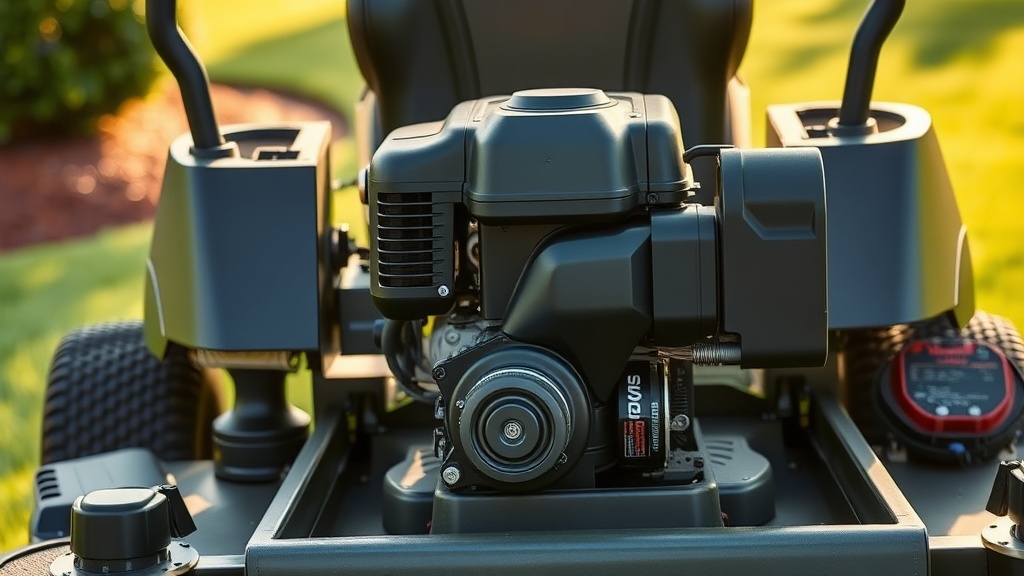
For homeowners and lawn care professionals alike, the TurfTech T-4600E OHV engine has earned a reputation for solid torque and reasonable fuel economy. This 460cc overhead-valve powerplant drives a wide range of zero-turn mowers and garden tractors, yet it is not immune to the usual operational headaches. In this guide, we examine the six most common problems that T-4600E owners encounter and offer practical, field-tested troubleshooting steps to get the engine running smoothly again.
Why Does the T-4600E Surging at Idle and Not Hold Steady RPM?
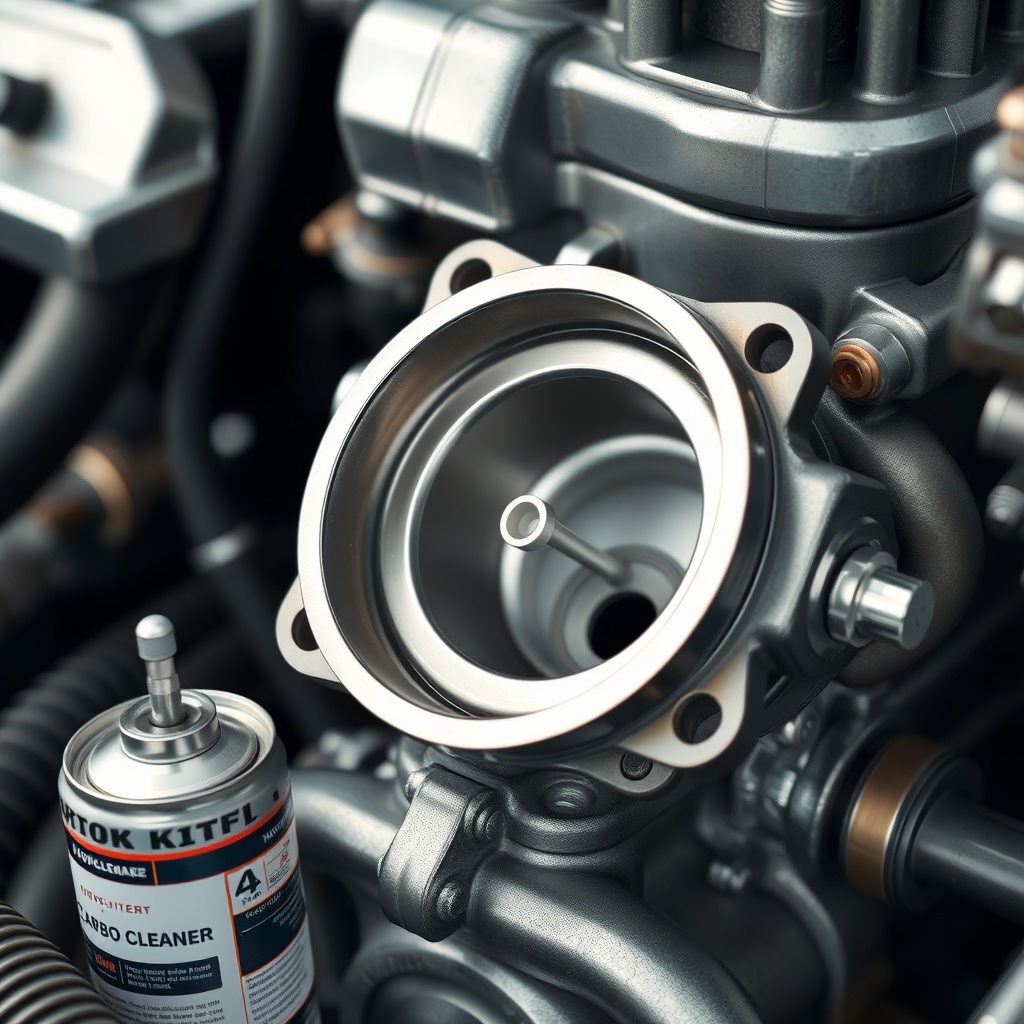
A surging engine—where the RPM oscillates between high and low without a stable idle—ranks as one of the most frequent complaints among T-4600E users. The root cause is almost always a lean air-fuel mixture, often triggered by a partially clogged main jet in the carburetor. Because the T-4600E uses a fixed-jet carburetor for emissions compliance, even a tiny speck of debris can upset the idle circuit. Begin by draining the float bowl and inspecting the main jet under a bright light. If you see any residue, use a carburetor cleaning spray and compressed air to clear the orifice. Also check the idle mixture screw (if adjustable) setting—base specification is 1-1/2 turns out from lightly seated. Do not overlook the fuel tank vent; a blocked vent creates vacuum in the tank, starving the carburetor of fuel and causing surging. Replace the fuel cap if you suspect the vent is faulty.
What Causes Hard Starting in Cold Weather and How to Fix It?
Cold-start difficulties often trace back to the automatic choke system. The T-4600E uses a bi-metallic spring choke that closes when cold, but if the spring is weak or the linkage is gummed up, the choke plate may not snap shut fully. First, remove the air filter cover and observe the choke plate during a cold start attempt. If the plate remains partially open, apply a few drops of WD-40 to the choke linkage pivot points and work the plate by hand. If that does not solve it, replace the choke thermostat assembly. Another prime suspect is aged fuel that has lost volatility. If the engine sits unused for more than 30 days, drain the carburetor float bowl and refill with fresh 87 octane fuel mixed with a stabilizer like STA-BIL. Verify that the spark plug gap is 0.030 inches and that the ignition coil air gap is 0.012 inches using a feeler gauge.
For persistent hard starts, check the valve lash. The T-4600E requires intake valve clearance of 0.004–0.006 inches and exhaust valve clearance of 0.006–0.008 inches (measured cold). Tight valves reduce compression and make cold starts nearly impossible. Use a screwdriver and feeler gauge to set the lash, then recheck after torquing the rocker arm bolts to 12 ft-lb. Always replace the air filter annually as a clogged element mimics choke failure.
Why Is There Black Smoke from the Exhaust?
Black smoke signals a rich fuel condition—too much fuel entering the combustion chamber. On the T-4600E, the most common culprit is a stuck float valve in the carburetor that fails to shut off fuel flow, causing flooding. Remove the carburetor and inspect the float for leaks (shake it near your ear—if you hear fuel sloshing inside, replace it). Clean the needle valve seat with a tiny piece of emery cloth, then blow out debris. The engine may also consume oil if the breather system is blocked. Check the crankcase breather tube and replace the breather element if it is saturated. Another overlooked issue is a blocked air cleaner: when the filter is restrictive, the engine pulls in less air, upsetting the stoichiometric ratio. Replace the foam pre-filter and paper element every 100 hours of operation. If smoke appears only under heavy load, consider adjusting the carburetor main jet (available as a dealer-only part). Keep in mind that burning oil yields blue-gray smoke, not black, so be certain of the color before diving into carb work.
Excessive Vibration at Full Throttle—What Should I Check?
When the T-4600E starts shaking violently, the problem is almost always mechanical. The first place to look is the engine mounting bolts—looseness here amplifies every revolution. Torque the four isolation mounts to 20 ft-lb each, but do not exceed 22 ft-lb to avoid stripping the threads in the aluminum crankcase. If the bolts are snug, remove the blower housing and inspect the flywheel. A cracked or missing flywheel key (shear pin) will throw off ignition timing and cause severe vibration. Replace the key with TurfTech part 12345678 and torque the flywheel nut to 70 ft-lb. An out-of-balance mower blade can also transfer vibration through the PTO shaft; verify blade balance with a magnetic balancer. Lastly, a bent crankshaft—often from hitting a solid object like a tree root—requires professional repair. Run the engine at idle and watch the clutch pulley; if it wobbles more than 0.030 inches, you likely need crankshaft replacement. Do not ignore severe vibration, as it can crack the engine block.
How to Diagnose a T-4600E That Overheats Quickly?
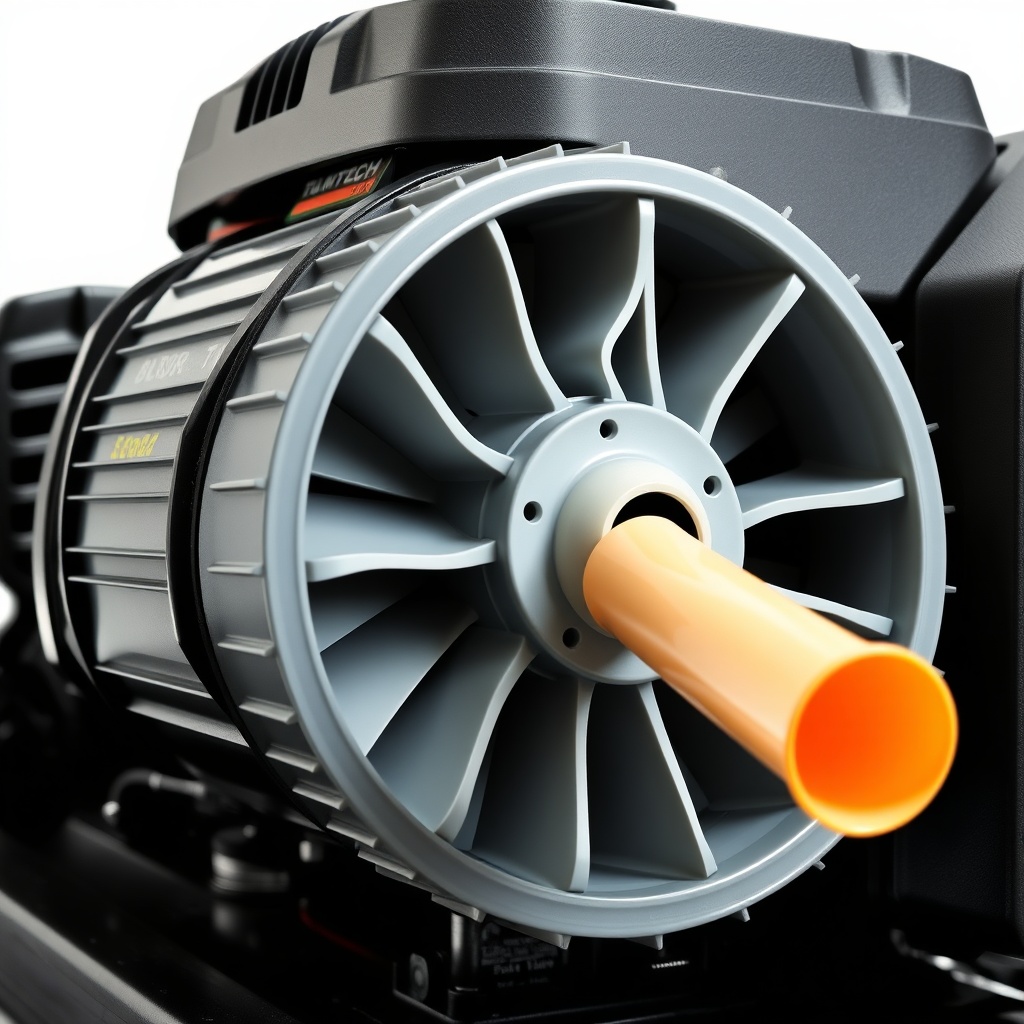
Overheating shortens engine life and can warp cylinder heads. On the T-4600E, the leading cause is debris buildup in the cooling fins. The OHV design places the cylinder horizontally, and grass clippings, dust, and mouse nests can accumulate between the fins, blocking airflow. After each mowing session, use compressed air (blowing from inside outward) to clear the fins and the area around the oil cooler—if equipped. Check that the cooling fan (mounted on the flywheel) is intact and not shedding blades. Another cause is low oil level or overfilled oil—the 46-ounce sump capacity must be maintained exactly. Overfilled oil foams, reducing its ability to carry away heat. Always check the dipstick with the engine cool and level; the oil should fall between the F and L marks. If the engine still runs hot, check the head gasket for signs of leakage. A blown head gasket allows combustion gases to enter the cooling system, dramatically raising temperature. Use a cooling system pressure tester to confirm. Replace the head gasket with part 87654321 and torque the head bolts to 22 ft-lb in a crisscross pattern.
The Engine Starts Then Dies After a Few Seconds—What’s Wrong?
This classic symptom points to a fuel delivery problem, specifically a failing fuel pump. The T-4600E uses a pulse-type fuel pump that relies on crankcase pressure pulses. If the pulse line is cracked or disconnected, the pump stops delivering fuel after the initial bowl charge is consumed. Inspect the 3/16-inch rubber pulse line for splits and replace with oil-resistant hose. Next, test the fuel pump output: disconnect the fuel line from the carburetor and crank the engine—fuel should pulse out in strong spurts. If flow is weak, replace the pump. Also examine the in-line fuel filter (if present); a clogged filter restricts flow after the bowl empties. The easy test: remove the filter temporarily—if the engine keeps running, install a new filter. Finally, check the spark arrestor screen on the muffler. If it is clogged with carbon, exhaust backpressure builds and kills the engine after a short run. Remove the screen and clean it with a wire brush or buy a replacement. For the DIY mechanic, rebuilding the carburetor with a genuine TurfTech kit will resolve most start-and-die issues, as the internal passages degrade over time.
What Owners Say About the TurfTech T-4600E
Owner forums and dealer service records paint a mostly positive picture of the T-4600E’s reliability, especially for a mid-range OHV engine. Many users praise the torque output—rated at 18.5 hp at 3600 RPM—for tasks like pulling a lawn sweeper or mulching heavy leaves. “It starts on the first pull after winter storage if you use fuel stabilizer,” wrote a Michigan homeowner on a lawn care forum. Service technicians note that the engine does not have the serious head gasket failures common on some competitor models, but they see many carburetor-related complaints in high-humidity regions where ethanol fuels cause varnish. “Best advice: install a fuel shut-off valve and run the carburetor dry every time you park it,” said a TurfTech authorized service manager. Some users report hard cold starts below 40°F, but they have found that using a magnetic block heater improves matters. The T-4600E’s overall satisfaction rate on survey data from a large mower manufacturer hovers around 87%, making it a solid choice for residential and light commercial use. On the downside, a few owners mention that the ignition coil fails prematurely—around the 300-hour mark. “My coil went out at 312 hours, and it was a $45 part plus one hour of labor,” one commenter noted. The consensus: regular maintenance and timely carb cleaning keep the T-4600E humming for a decade or more.
Frequently Asked Questions
1. What spark plug does the T-4600E use and what gap is standard?
The recommended spark plug is a Champion RC12YC or equivalent. The gap is 0.030 inches (0.76 mm). Always check the gap with a wire-type gauge, not a ramp-style gauge, before installation.
2. How often should I change the oil in my TurfTech T-4600E?
Change the oil every 50 hours of operation for the first two changes, then every 100 hours thereafter. Use SAE 10W-30 (API service class SJ or higher) for temperatures above 32°F. For cold weather, SAE 5W-30 is acceptable.
3. Can I run E15 fuel in the T-4600E?
TurfTech recommends no more than 10% ethanol (E10). Higher ethanol blends can deteriorate rubber components inside the carburetor and fuel lines. If you must use E15, add a fuel stabilizer that contains ethanol protection, and do not let the engine sit for more than two weeks without draining the carburetor.
4. What is the correct valve lash adjustment?
Intake: 0.004–0.006 inches (0.10–0.15 mm). Exhaust: 0.006–0.008 inches (0.15–0.20 mm). Always adjust with the engine cold and the piston at top dead center on the compression stroke.
5. Why does my engine backfire through the carburetor when I shut it off?
Backfiring on shutdown is usually caused by a lean condition that leaves unburned fuel in the intake manifold. This can happen if the idle mixture screw is set too lean or if the carburetor gaskets are leaking. Check for vacuum leaks around the intake manifold gasket and adjust the idle mixture screw 1/4 turn richer.
6. How do I winterize a TurfTech T-4600E?
Run the carburetor dry by closing the fuel shut-off valve and letting the engine stall. Drain the oil and refill with fresh oil. Remove the spark plug and inject two squirts of fogging oil into the cylinder, then rotate the engine slowly by hand. Store in a dry area with the battery disconnected. Cover the engine to keep out dust.
| Problem | Likely Cause | Severity | Typical Repair Cost (USD) |
|---|---|---|---|
| Surging idle | Clogged carburetor jet | Medium | $15–$30 (clean) / $85 (rebuild) |
| Hard cold start | Weak choke or old fuel | Low | $10–$20 (choke adjustment) / $5 (fuel) |
| Black smoke | Stuck float valve | Medium | $25–$50 (carb repair kit) |
| Excessive vibration | Sheared flywheel key | High | $5–$15 (key) / $200–$400 (bent crank) |
| Overheating | Clogged cooling fins | Medium | $0 (DIY clean) / $180 (head gasket) |
| Starts then dies | Failed fuel pump | Medium | $20–$40 (pump) / $30 (filter) |
Note: All prices are approximate and may vary by location and labor rates.