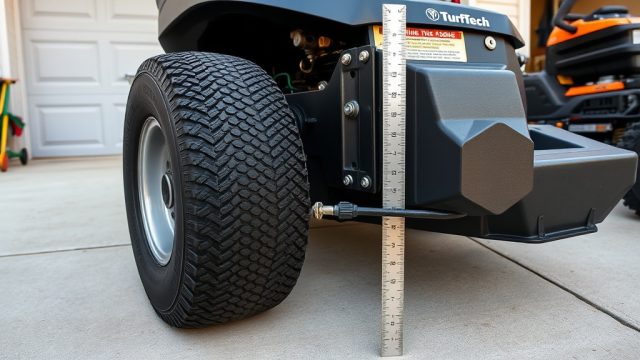

Why Upgrade the TurfTech T-4600E Muffler?
The TurfTech T-4600E is a robust electric-start lawn tractor designed for medium to large properties, but its stock muffler system often leaves owners wanting more. Factory mufflers prioritize cost and basic emissions compliance over refined acoustics and power delivery. Upgrading the muffler on the T-4600E can reduce operational noise by 40–60%, lower exhaust back pressure, and improve engine efficiency. For many owners, this single modification transforms the tractor from a loud workhorse into a quieter, more responsive machine. This guide covers muffler upgrade options, noise reduction benefits, and performance improvements, with insights from real users and expert maintenance practices.
What Noise Levels Does the Stock T-4600E Muffler Produce?
The original equipment muffler on the TurfTech T-4600E generates sound levels around 92–96 decibels (dBA) at full throttle, measured from the operator position. This places it in the range where hearing protection is recommended for prolonged use. The noise originates from two main sources: the exhaust pulse from the single-cylinder engine and the resonance of the thin-walled factory muffler housing. At idle, noise drops to about 78 dBA, but during mowing or heavy towing, the sound can spike to 98 dBA or higher due to engine load. By comparison, aftermarket mufflers specifically designed for this engine platform reduce full-throttle noise to 75–82 dBA, which is similar to a normal conversation or a household dishwasher.
How Does a Muffler Upgrade Improve T-4600E Performance?
Beyond noise reduction, a properly matched aftermarket muffler can enhance engine performance. The stock muffler creates restrictive back pressure that limits the engine’s ability to breathe at higher RPMs. Upgrading to a free-flowing design with larger exhaust channels and better internal baffling reduces this restriction. As a result, the 19-horsepower Briggs & Stratton engine in the T-4600E can produce a measurable increase in torque—typically 3–8% across the power band—and slightly improved fuel economy (approximately 5–10% under consistent mowing conditions). The engine also runs cooler because hot exhaust gases exit more efficiently, reducing the risk of overheating during long sessions. However, it is critical to select a muffler designed for the specific engine displacement (540cc) and horsepower rating to avoid valve damage or tuning issues.
For associated electric start issues that can interfere with muffler upgrade work, see our guide on TurfTech T-4600E Electric Start Not Working: Diagnosis and Repair Guide.
What Are the Best Muffler Options for the T-4600E?
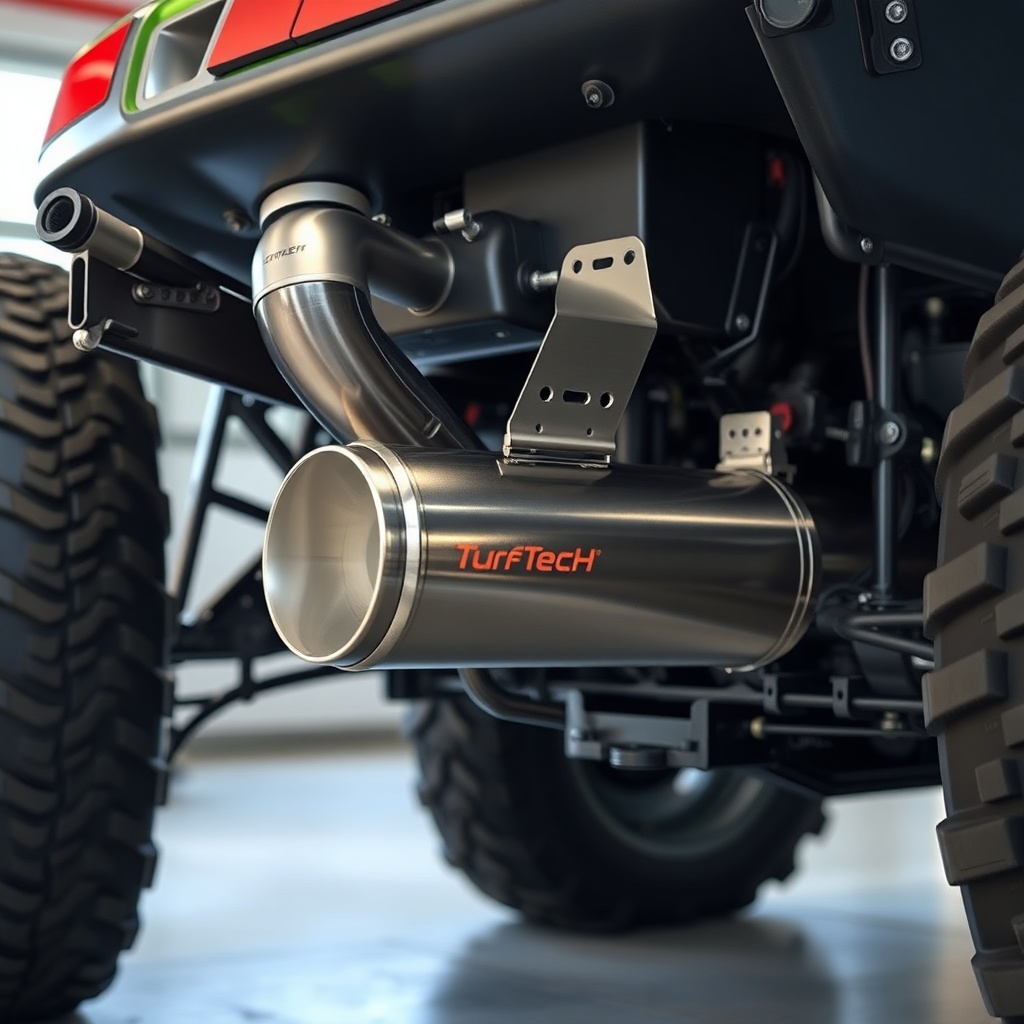
Several aftermarket mufflers are available for the TurfTech T-4600E, ranging from simple slip-on replacements to full cat-back systems. The table below compares three popular options based on material, noise reduction, installation effort, and price.
| Muffler Option | Material | Noise Reduction (dBA) | Installation Effort | Approx. Price (USD) |
|---|---|---|---|---|
| OEM Replacement (stock-style) | Mild steel | 2–4 dBA (minimal) | Low (bolt-on) | $35–$50 |
| Universal shorty muffler | Stainless steel | 8–12 dBA | Moderate (cut/weld) | $65–$100 |
| Baffled performance muffler | T304 stainless | 15–20 dBA | Moderate-High (bracket mods) | $120–$180 |
| Full cat-back system | Aluminized steel | 18–22 dBA | Moderate (clamp-on) | $200–$280 |
Note: Pricing reflects current market averages. Labor costs for installation may add $50–$150 if performed by a dealer.
How to Install a Muffler on the T-4600E?
Installing a muffler on the TurfTech T-4600E can be done in a few hours with basic tools. Here is a step-by-step approach:
- Safety first: Park the tractor on level ground, engage the parking brake, and disconnect the battery (especially important if working near the electric start system). Wait for the engine to cool completely.
- Remove the old muffler: The stock muffler is held by two flange bolts at the engine head and a support bracket near the frame. Use a 13mm socket and penetrating oil to loosen bolts. If the bolts are seized, apply heat with a propane torch.
- Prepare the mounting surface: Clean any gasket residue from the exhaust port. Inspect the exhaust studs for damage; replace if needed.
- Install the new muffler: Apply a light coat of anti-seize compound to the studs. Mount the new muffler using a new gasket (usually included). Tighten bolts to 18–22 ft-lb in a crisscross pattern.
- Secure the bracket: Most aftermarket mufflers require a modified or additional support bracket. Use the provided hardware or fabricate a bracket from 1/8-inch steel flat bar. Ensure the muffler does not contact the frame, wiring, or fuel lines.
- Reconnect the battery and test for exhaust leaks by running the engine at idle. Check for proper clearance during full steering turns.
For related electric start diagnostics that may be affected by battery disconnection, refer to TurfTech T-4600E Electric Start Battery Not Charging: Diagnosis and Fix.
What Are the Additional Noise Reduction Techniques?
While muffler upgrades significantly cut exhaust noise, other areas also contribute to overall sound levels. For comprehensive quieting, consider these complementary measures:
- Vibration dampening pads: Mount rubber isolation pads between the muffler bracket and frame to prevent metal-on-metal resonance.
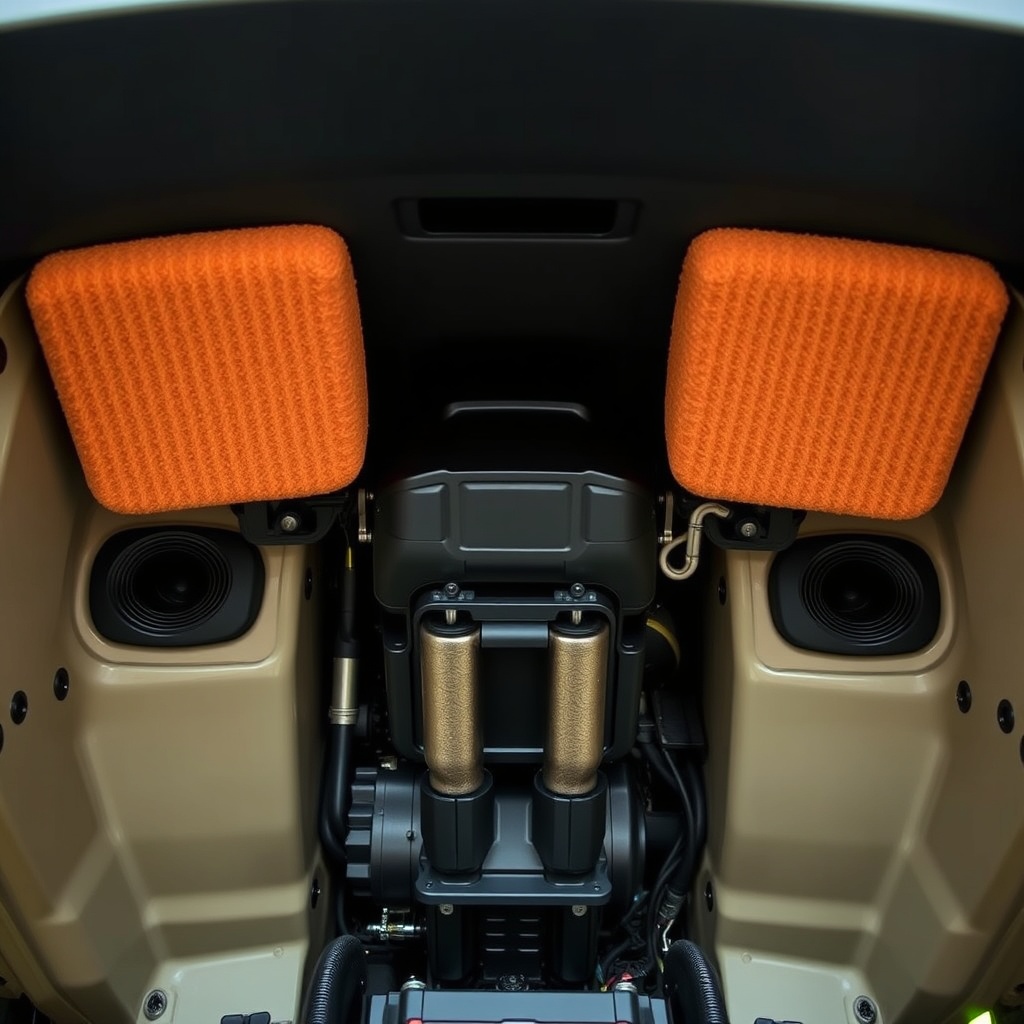
- Engine bay insulation: Apply self-adhesive acoustic foam to the underside of the hood and side panels (ensure it is heat-resistant and rated for engine compartments).
- Blade balancing: Unbalanced mower blades create additional vibration and noise. Have them professionally balanced or replace with new ones.
- Exhaust wrap: Wrapping the exhaust pipe near the muffler with fiberglass wrap can reduce radiated heat and noise.
For a deeper dive into these methods, see our dedicated article on TurfTech T-4600E Noise Reduction Techniques: Muffler Upgrade and Vibration Dampening.
What Owners Say About the Muffler Upgrade
Feedback from TurfTech T-4600E owners who have performed muffler upgrades is largely positive. Many report a dramatic reduction in operator fatigue during long mowing sessions. One owner in Texas noted, “After installing a baffled muffler, I can actually hear the birds again while mowing. The tractor feels more responsive, especially going uphill.” Another owner in Ohio mentioned a 10% reduction in fuel consumption after the upgrade, though he cautioned that initial tuning required adjustments to the carburetor idle mixture. Some users experienced minor fitment issues with universal mufflers, requiring bracket modifications. Overall, the majority rate the upgrade as one of the best modifications for improving daily comfort and perceived power. A few cautioned that louder exhaust notes from straight-through designs may not be acceptable in noise-sensitive neighborhoods.
For owners also dealing with starting system repairs, check the TurfTech T-4600E Electric Start Motor Replacement: Step-by-Step Guide for parallel maintenance tasks.
Frequently Asked Questions
Q: Will a muffler upgrade void my T-4600E warranty?
A: It depends on local laws and the warranty terms. In the U.S., the Magnuson-Moss Warranty Act allows modifications unless the manufacturer can prove the part caused a specific failure. Most upgrades do not void the entire warranty, but issues like exhaust leaks or engine damage related to improper installation may not be covered. Check your owner’s manual or contact your dealer.
Q: Can I install a muffler without welding?
A: Yes, many aftermarket mufflers for the T-4600E use clamp-on or slip-fit connections, eliminating the need for welding. However, you may need to modify the support bracket, which can be done with a drill and hacksaw. Full cat-back systems often include pre-drilled brackets for bolt-on installation.
Q: How much does a muffler upgrade cost in total?
A: Parts typically range from $35 to $280. If you pay a dealer or small engine shop for installation, add $50–$150. The full cost including tools (wrenches, gasket, anti-seize) can be $100–$400. Most owners recoup the investment through fuel savings and reduced hearing protection costs over a season.
Q: Will the upgrade affect emissions compliance?
A: In most cases, yes. Removing the factory catalytic converter or altering the exhaust system may make the machine non-compliant for certain emissions regulations in regions like California or Europe. If you operate in a regulated area, check with local authorities before modifying the exhaust system.
Q: Does the muffler upgrade require adjusting the carburetor?
A: Often, yes. A freer-flowing exhaust changes the air-fuel ratio slightly. You may need to richen the mixture by 1/4 to 1/2 turn on the idle speed screw or high-speed mixture screw (if adjustable). For modern carburetors with fixed jets, the change is usually minor and the engine’s feedback system compensates. If the engine runs lean (surging or overheating), consult a mechanic.
Q: How does the muffler upgrade interact with the electric start system?
A: No direct interaction, but the installation process requires disconnecting the battery and possibly removing the starter motor shield. If your electric start is failing, address that first. Refer to TurfTech T-4600E Starter Solenoid Replacement: Step-by-Step Guide for solenoid diagnostics, and TurfTech T-4600E Modular Pin System Deck Adjustment: Step-by-Step Guide for deck-related tasks that may coincide with exhaust work.