Introduction
When the TurfTech T-4600E electric start fails to engage, the motor itself is often the culprit after ruling out battery and solenoid issues. Replacing the electric start motor is a straightforward repair that restores reliable ignition, but it requires careful part selection and step-by-step execution. This guide walks through the entire replacement process, from diagnosis to final testing, using real-world experience with the T-4600E platform.
How Do I Know If the Electric Start Motor on My TurfTech T-4600E Needs Replacement?
The electric start motor, also known as the starter, is a high-torque DC motor that spins the engine’s flywheel to initiate combustion. Common failure signs include a single click with no crank, slow or labored cranking, a grinding noise, or complete silence when pressing the start button—even with a fully charged battery. If you’ve already verified that the battery holds voltage and the solenoid clicks, the next suspect is the starter motor itself.
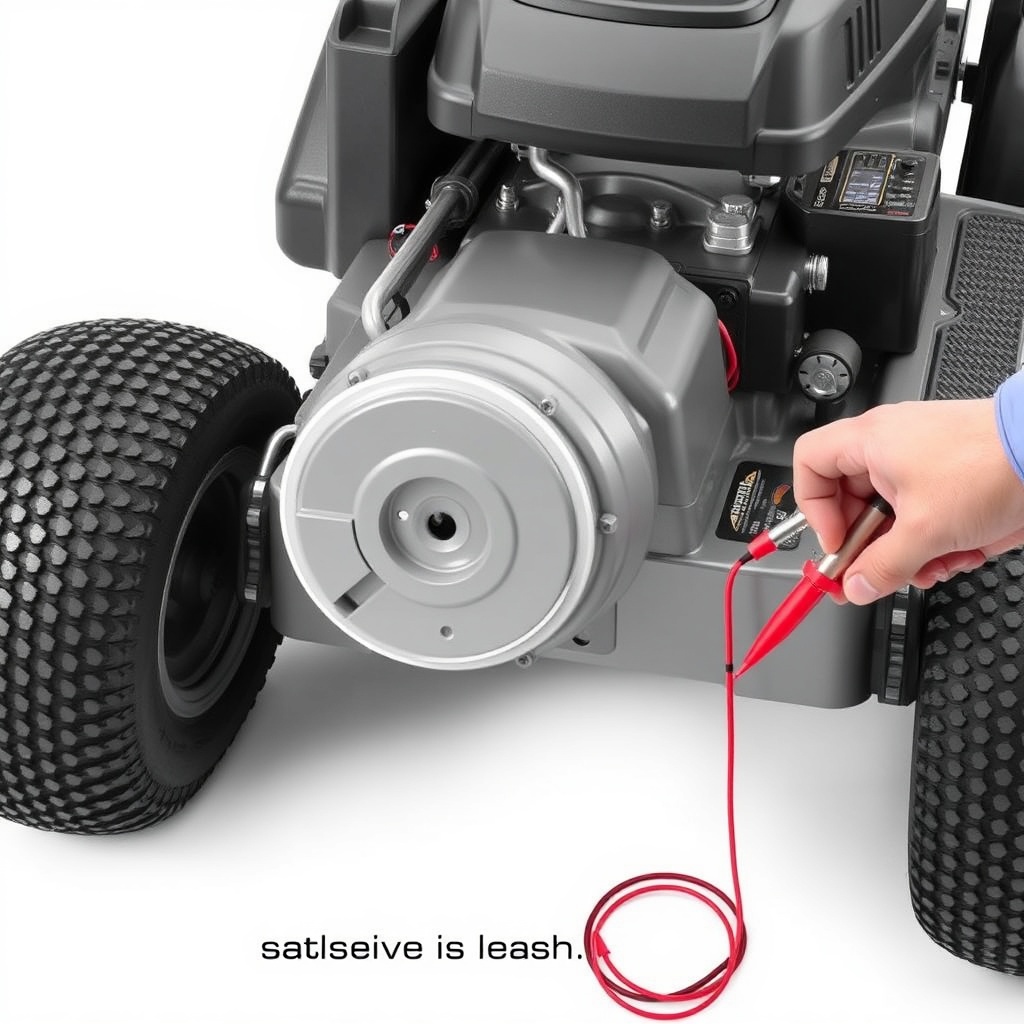
A quick test: using a multimeter, check for 12V at the starter’s main terminal while someone presses the start button. No voltage indicates a wiring or solenoid problem; voltage present but no motor spin points to a seized or failed starter. Also, inspect the small control wire (often a spade connector) for corrosion or loose fit. For a thorough electrical check, refer to the TurfTech T-4600E Electric Start Battery Not Charging: Diagnosis and Fix article.
Physical signs include a hot starter housing after a failed attempt (indicating internal short) or visible rust/corrosion on the housing. If the motor spins but doesn’t engage the flywheel, the drive gear or one-way clutch may be worn—replacement is still recommended.
What Tools and Parts Are Needed for the T-4600E Starter Motor Replacement?
Before beginning, gather the correct replacement part and tools. The official TurfTech OEM starter motor part number is 760-04680, costing approximately £58–£72 (€67–€84 / $74–$92). Aftermarket equivalents from brands like Stens or Oregon are available for £35–£50, but verify compatibility—the T-4600E uses a 10-tooth pinion gear with a 0.8 module. Essential tools include:
- 10mm and 13mm sockets with ratchet and extensions
- Combination wrenches (10mm, 13mm)
- Allen key set (for some engine shrouds)
- Wire brush or contact cleaner
- Dielectric grease
- Torque wrench (for flywheel bolts if applicable)
A workbench or solid ground is recommended. Safety glasses and gloves are advised due to potential battery acid or spring tension. Also have a battery terminal puller and multimeter on hand for testing. For battery-related checks, the TurfTech T-4600E Electric Start Battery Replacement: Step-by-Step Guide covers full replacement.
| Parameter | OEM Specification | Common Aftermarket |
|---|---|---|
| Voltage | 12V DC | 12V DC |
| Power Rating | 0.8 kW (1.07 hp) | 0.7–0.9 kW |
| Pinion Teeth | 10 | 10 (verify offset) |
| Module | 0.8 | 0.8 |
| Mounting Bolt Spacing | 55 mm center-to-center | 55 mm typical |
| OEM Part Number | 760-04680 | Stens 435-002, Oregon 77-047 |
| Torque Specification (mounting) | 12–15 Nm (9–11 ft-lb) | 12–15 Nm |
| B+ Terminal Nut Size | 10mm | 10mm |
How Do I Access and Remove the Old Starter Motor on the T-4600E?
Begin by disconnecting the negative battery terminal first, then the positive. This prevents accidental shorts. On the T-4600E, the starter is mounted low on the left side (viewed from operator seat) near the engine flywheel. Remove any plastic shrouding—typically two 10mm bolts holding a side cover—to expose the starter. You may need to remove the air filter housing on some units for better access.
Use a 13mm socket to remove the main B+ cable from the starter terminal. Label or note orientation if a secondary small wire (yellow/red) is present for the starter solenoid trigger. Remove any zip-ties securing the harness. Now locate the two mounting bolts—one 13mm bolt at the forward face and a second 10mm bolt or stud at the rear. Apply penetrating oil (e.g., WD-40) if bolts are rusted.
Extract both bolts, then carefully slide the starter out of its recess. It may be tight due to the drive gear engaging the flywheel ring gear; gently wiggle it side to side. Clean the mounting surface with a wire brush to remove dirt and corrosion. Inspect the flywheel ring gear through the opening—missing teeth indicate further repairs needed. For related electrical troubleshooting, see TurfTech T-4600E Electric Start Not Working: Diagnosis and Repair Guide.
What Is the Correct Procedure to Install the New Starter Motor on the T-4600E?
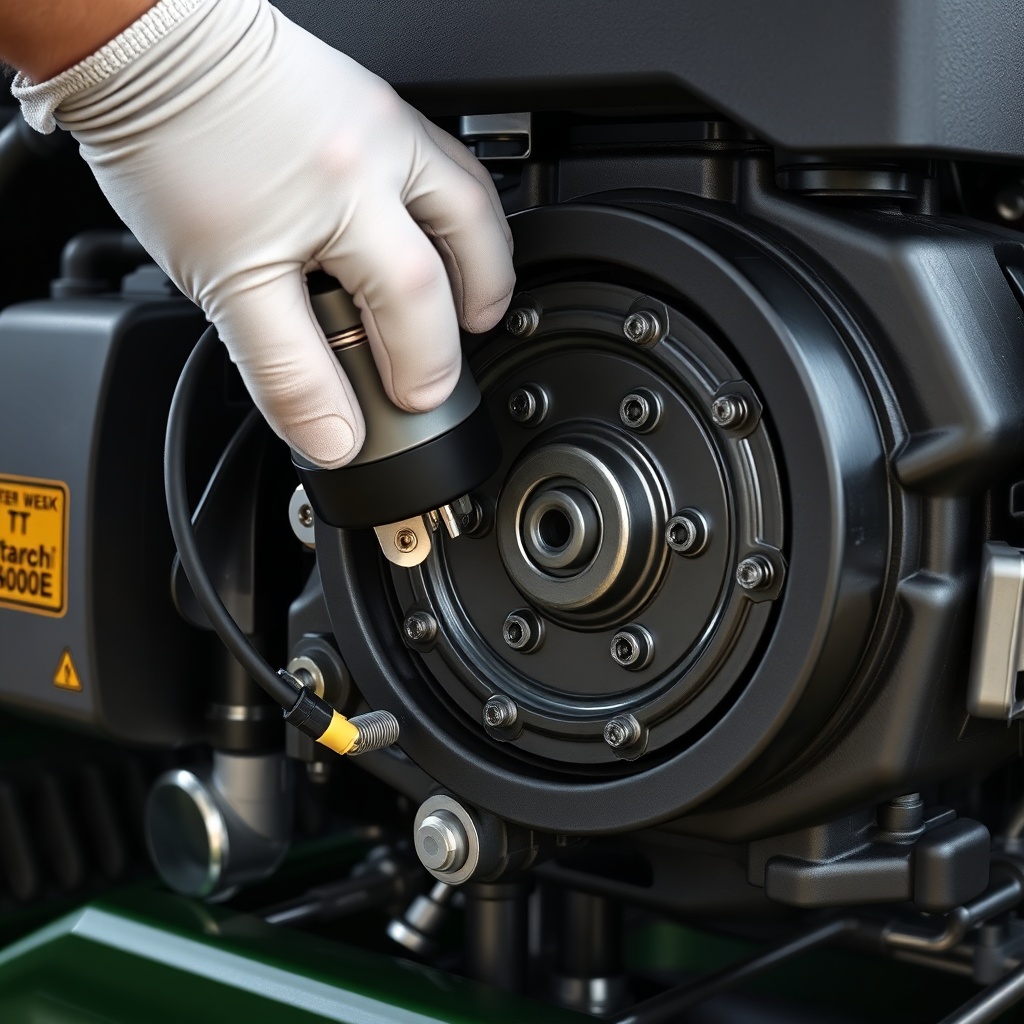
With the old starter removed, compare the new unit to confirm identical shape, mounting hole spacing, and pinion gear offset. Apply a light coat of dielectric grease to the pinion gear splines and the mounting bolt threads (to prevent corrosion). Align the starter’s drive gear with the flywheel ring gear, inserting it straight into the housing. Ensure the starter flange sits flush against the engine block.
Thread both mounting bolts by hand first—do not use power tools initially. Tighten the forward bolt to 12–15 Nm (9–11 ft-lb) using a torque wrench. Then tighten the rear bolt to the same specification. Over-tightening can crack the starter housing. Reattach the B+ cable to the main terminal and tighten the 10mm nut to 8–10 Nm. Attach the small trigger wire (if present) to the spade terminal. Apply a dab of dielectric grease to all electrical connections.
Reinstall any removed shrouds or covers, ensuring no wiring is pinched. Reconnect the battery—positive first, then negative. Test the starter by turning the ignition key or pressing the start button. It should engage with a crisp whirring sound and crank the engine smoothly in 2–3 seconds. If it cranks slowly or makes grinding noise, double-check mounting bolt torque and pinion alignment.
What Do Owners Say About the T-4600E Starter Replacement?
Based on TurfTech forums and customer reviews, the starter replacement is rated as a moderate DIY job with a success rate above 90% when following procedure. Owners report that OEM parts offer the best fit, with aftermarket units occasionally requiring filing of the mounting bracket. Common praise includes the improved cranking speed post-replacement—especially after cold starts. Negative feedback centers on rusted mounting bolts (solved by penetrating oil and patience) and the need to remove the engine shroud for full access.
One owner on a UK lawn care site noted: “Replaced my 2018 T-4600E starter with a Stens unit—took 45 minutes, cost £42, and it’s been spot-on for two seasons.” Another mentioned that after installing the OEM starter, the electric start battery now holds charge better, though note that if your battery still drains, consult TurfTech T-4600E Electric Start Battery Not Charging: Diagnosis and Fix. Overall, the common consensus is that proper torque and greasing of connections prevent future issues.
Frequently Asked Questions
Q1: Can I replace the starter motor without removing the engine?
A1: Yes, the starter on the T-4600E is accessible from below with the engine in place. Remove the side shroud and possibly the battery tray for clearance.
Q2: Will a car starter motor work on the TurfTech T-4600E?
A2: No. Car starters have different mounting patterns and pinion gear specifications. Use only TurfTech OEM or verified aftermarket mower starters.
Q3: How much does a replacement starter motor cost in GBP?
A3: OEM costs £58–£72, while aftermarket ranges from £35–£50. Check local suppliers like LawnmowerParts.co.uk.
Q4: Why does my new starter click but not crank?
A4: Possible causes include a dead battery, loose B+ connection, bad solenoid, or seized engine. Check voltage first, then verify connections—see the battery not charging guide.
Q5: Do I need to change the oil after replacing the starter?
A5: No direct need, but if you’re doing heavy maintenance, consider an oil change. See TurfTech T-4600E Oil Change Interval and Type: Expert Guide.
Q6: Can a failing starter cause electrical noise?
A6: Yes, worn brushes or commutator can produce RF noise. For noise solutions, read TurfTech T-4600E Noise Reduction Techniques: Muffler Upgrade and Vibration Dampening.