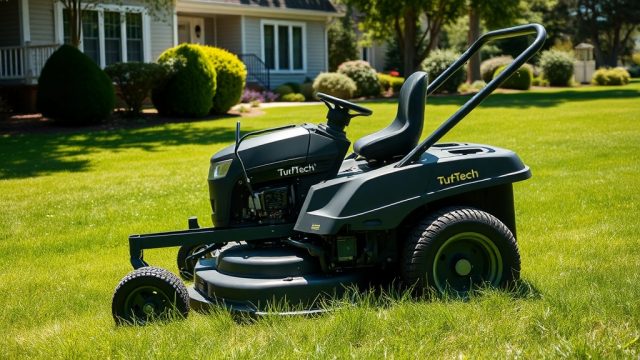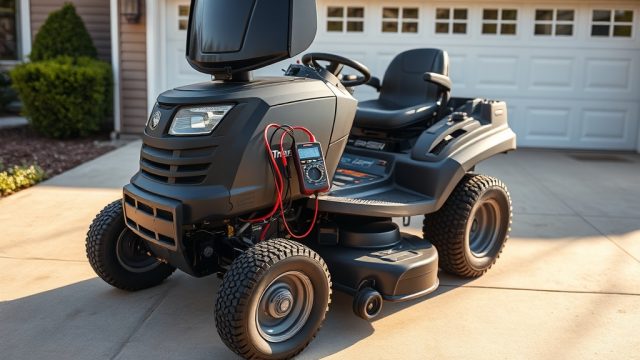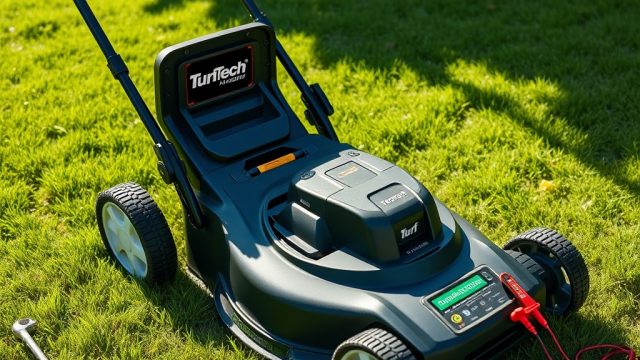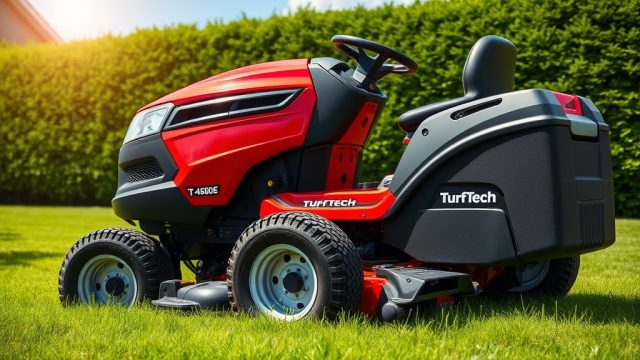
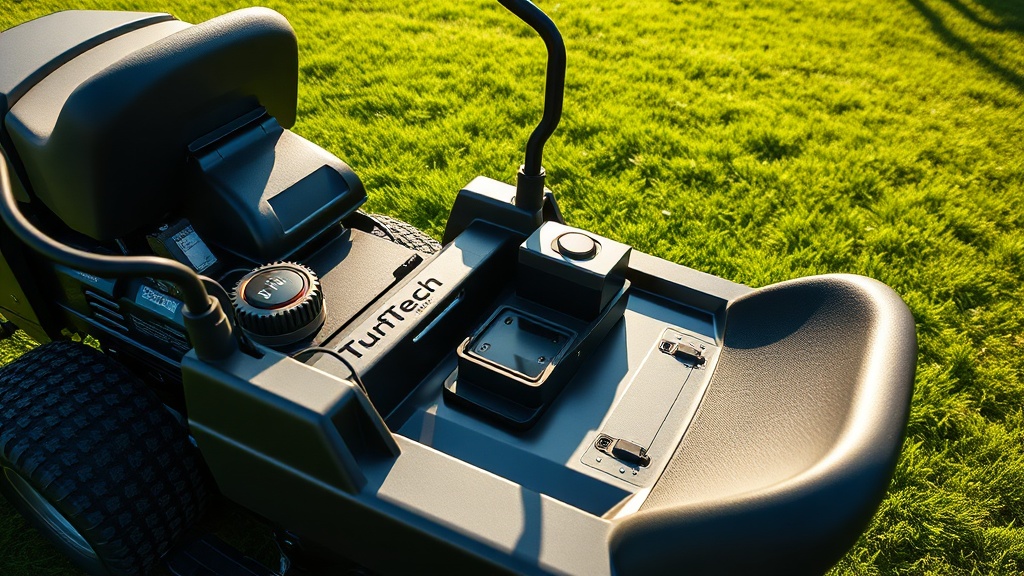
For owners of the TurfTech T-4600E, the transition from a pull-start to an electric start system is one of the most practical upgrades available. This conversion not only reduces physical strain, especially for users with larger mowing areas, but also enhances the machine’s reliability during cold starts. In this guide, we will examine the core benefits of the electric start conversion, provide a detailed installation walkthrough, and address common questions to ensure your T-4600E starts reliably every time.
Why Should I Convert My TurfTech T-4600E to an Electric Start?
The primary advantage of converting your TurfTech T-4600E to an electric start is convenience. Instead of wrestling with a pull cord, especially after a long winter or when the engine is cold, you simply turn a key or press a button. This is particularly valuable for users with physical limitations or those who mow in hilly terrain where pull-starting can be awkward. Additionally, the electric start system includes a battery that powers the starter motor, which also allows you to operate accessories like LED headlights or a battery tender without the engine running.
From a maintenance perspective, electric start systems reduce wear on the starter rope and recoil mechanism, parts that often fail on pull-start models after heavy use. The kit also typically includes a more robust wiring harness, which improves the overall electrical reliability of the machine. Over time, you will notice fewer frustrating start-up issues, especially in humid or damp conditions where pull cords can stick.
It is also worth noting that the electric start system on the T-4600E uses a 12-volt gel-cell battery, which is maintenance-free and sealed against leaks. This eliminates the need to check electrolyte levels or refill battery cells, a common hassle with traditional lead-acid batteries. For a detailed look at battery care, refer to our guide on TurfTech T-4600E Electric Start Battery Maintenance: Tips and Troubleshooting.
What Components Are Included in the TurfTech T-4600E Electric Start Conversion Kit?
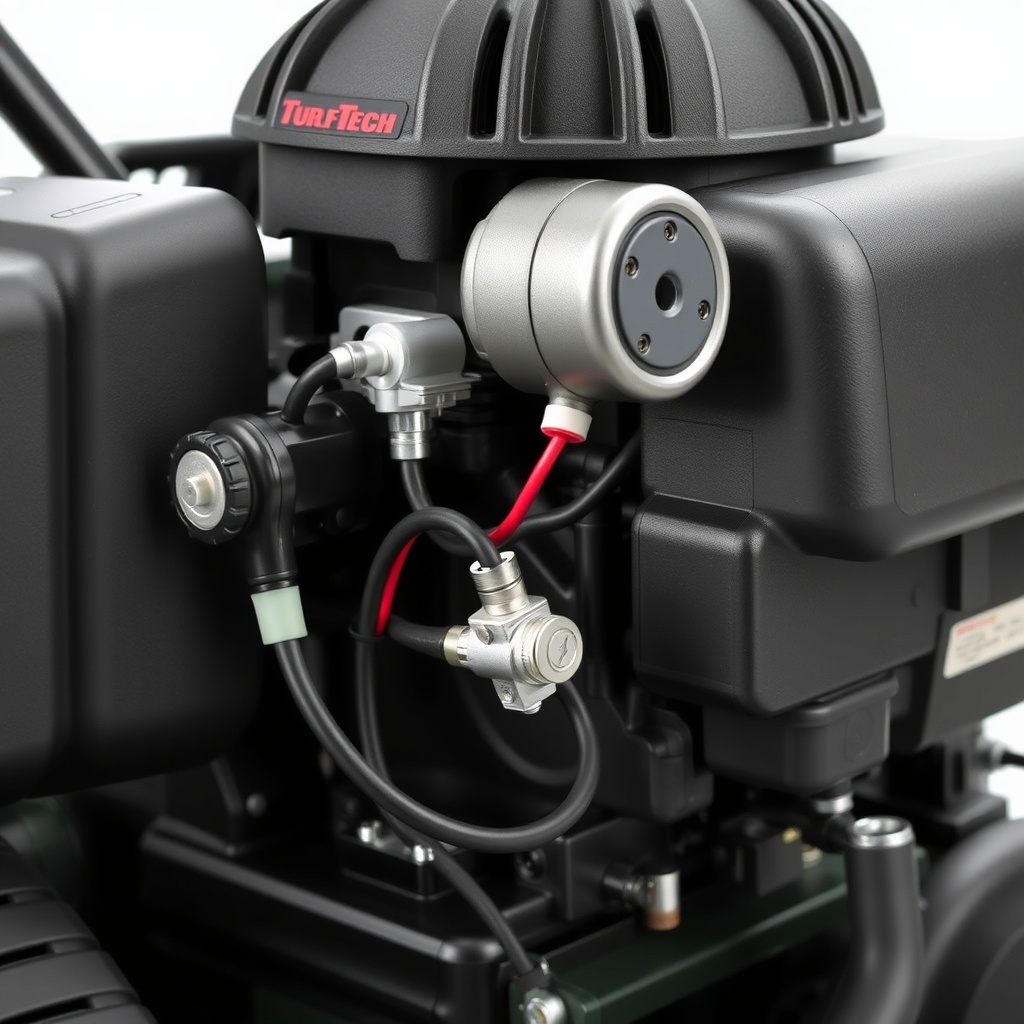
The factory-recommended conversion kit for the T-4600E includes a starter motor, solenoid, wiring harness, 12-volt battery tray, battery (approximately £110–£140 in the UK market), key switch assembly with keys, a charging coil, and a rectifier module. Many kits also include a battery hold-down strap and a plastic cover for the battery compartment.
Here is a breakdown of the key items you should verify are present before installation:
- Starter Motor (12V) – Direct replacement for the pull-start pulley.
- Solenoid – Controls high-current flow to the starter.
- Wiring Harness – Pre-terminated with connectors for easy hookup.
- Battery (12V AGM) – Typically 18–20 Ah.
- Key Switch Assembly – Includes OFF/RUN/START positions.
- Rectifier and Charging Coil – Recharges the battery during operation.
- Mounting Bracket – Adjustable for T-4600E frame.
If you are sourcing the kit separately, expect to pay between £85 and £150 depending on whether you choose an OEM TurfTech kit or a compatible aftermarket version. Some aftermarket kits omit the charging coil; ensure yours includes it, or you will need to charge the battery externally.
How Do I Install the Electric Start System on My T-4600E?
The installation process can be completed in about two hours with basic hand tools: socket set, wire strippers, crimping tool, multimeter, and a soldering iron (optional). Follow these step-by-step instructions carefully, and always disconnect the spark plug wire before starting.
1. Remove the original pull-start housing and recoil assembly. This often involves four bolts on the flywheel cover. Set aside the pull-start parts if you wish to retain them for future use.
2. Mount the starter motor to the crankcase using the supplied bracket. The starter pinion should engage with the flywheel ring gear teeth. Check clearance—if too tight, you may need to shim the bracket.
3. Install the solenoid near the battery tray area, typically on the frame rail. Connect the large red wire from the battery positive terminal to the solenoid’s primary lug and the other large wire to the starter motor.
4. Mount the rectifier module near the engine cooling shroud. This component converts AC from the charging coil to DC for the battery.
5. Route the wiring harness following the manufacturer’s diagram. Connect the key switch wires: battery, ignition, and start. The harness typically uses color-coded wires (red = battery, black = ground, yellow = start signal).
6. Install the battery in the tray, securing it with the hold-down strap. Connect the positive cable first, then the negative cable to avoid short circuits.
7. Test the system: Turn the key to the RUN position (instrument panel should light up if applicable), then to START. The starter should engage and crank the engine smoothly. If the starter clicks but does not spin, check the battery voltage (should be >12.5V) and solenoid connections.
If you encounter starting issues after installation, check our companion guide TurfTech T-4600E Electric Start Solenoid Replacement: Step-by-Step Guide for troubleshooting the solenoid circuit.
What Are the Biggest Benefits of the Conversion for Lawn Care Professionals?
For professionals who mow multiple properties daily, the electric start conversion saves significant time and energy. Rather than pulling a cord dozens of times per day, a key turn starts the engine instantly, reducing operator fatigue. This is especially helpful when restarting the mower after emptying the grass catcher or repositioning on a slope.
Another benefit is the ability to use the mower’s electrical system for add-ons. Many professionals install a 12-volt accessory plug to power GPS tracking devices, phone chargers, or even LED warning lights for roadside mowing. The T-4600E’s charging coil generates up to 3 amps, which is sufficient for low-draw accessories. For high-draw items, consider upgrading to a larger alternator kit.
The conversion also improves cold-start reliability. In autumn or early spring, when temperatures drop below 10°C, carbureted engines often require multiple pulls. The electric starter delivers consistent torque, reducing wear on spark plugs and the cylinder head. For persistent cold-start issues, also see our TurfTech T-4600E Fuel System Cleaning: Step-by-Step Guide and Tips to ensure the carburetor is not gummed up.
What Are Common Installation Pitfalls and How to Avoid Them?
One recurring mistake is improper solenoid wiring. The solenoid’s small terminals (coil terminals) must be connected to the key switch’s start signal wire and a ground wire; reversing these will cause no engagement. Use a multimeter to confirm that the start wire provides battery voltage when the key is turned to the START position.
Another pitfall is skipping the charging coil installation. Without it, the battery will deplete after a few starts, leaving you stranded. Ensure the charging coil is correctly mounted to the engine block, with the air gap between the coil and flywheel magnets set to 0.3–0.5 mm (use a feeler gauge). If the coil wire runs near the exhaust, use heat-resistant tubing to prevent insulation melt.
Battery connection order matters. Always connect positive first, then negative, and when disconnecting, remove negative first. This prevents accidental short circuits if your wrench touches the chassis. Also, do not reverse the battery polarity—this can destroy the rectifier module and the solenoid immediately. Use a fuse (typically 30A) in the positive lead near the battery to protect the circuit.
Finally, verify that the deck belt routing has not been disturbed during installation. If you removed the front pulley for access, check our TurfTech T-4600E Deck Belt Routing Diagram: Step-by-Step Guide to ensure the belt is correctly seated.
How Does the Electric Start Affect Battery Life and Charging?
The T-4600E’s charging system is designed to keep the battery topped up while the engine runs. Under normal mowing (30–45 minutes per session), the charging coil delivers enough energy to recover the power used for starting. However, if you make frequent short starts (under 5 minutes), the battery may not fully recharge, leading to gradual depletion. In such cases, using a trickle charger during storage is recommended.
Battery type matters. The recommended 12V AGM battery has a lifespan of 2–4 years depending on usage and climate. High heat or deep discharges below 10.5V will shorten its life. Our TurfTech T-4600E Electric Start Battery Maintenance: Tips and Troubleshooting guide provides specific maintenance intervals and voltage checks.
Below is a comparison of battery performance parameters for common use cases:
| Use Case | Battery Capacity (Ah) | Starts per Full Charge (est.) | Charge Time Needed (minutes) |
|---|---|---|---|
| Home owner (weekly mowing) | 18–20 | 30–40 | 20–30 |
| Professional (daily use) | 20–22 | 50–60 | 25–35 |
| Extended storage (no use) | 18–20 | N/A (requires trickle charge) | Maintenance charger |
If you notice that the starter cranks slowly, first check the battery voltage. If below 12.5V, charge it. If the battery holds voltage but the starter still lags, the solenoid or starter motor may be failing—refer to our TurfTech T-4600E Electric Start Solenoid Replacement: Step-by-Step Guide.
What Owners Say
Feedback from T-4600E owners who have completed the electric start conversion is overwhelmingly positive. Many cite the elimination of pull-start frustration as the best part of the upgrade. One UK-based user on a lawn care forum noted: “After converting my T-4600E, I can start it with one finger. No more fighting with a cold engine at 7 AM.” Another owner reported that the battery even powered a small LED work light for evening mowing, a convenience they had not anticipated.
A minority of users mention initial confusion during wiring, particularly with the solenoid’s coil terminals. However, those who followed the instruction manual carefully reported a straightforward process. Several owners also praised the aftermarket kits for being compatible, though they recommended using OEM wiring harnesses for durability.
One experienced mechanic advised checking the flywheel ring gear for damage before finalizing the installation: “If the ring gear has chipped teeth from a pull-start failure, the starter pinion will grind. Replace the flywheel or ring gear if needed.” This is a proactive step that prevents premature starter wear.
Overall, the conversion is considered a cost-effective improvement that adds two to three years of reliable service to the mower, especially if the battery and solenoid are maintained properly.
Frequently Asked Questions
Q1: Will the electric start conversion void my TurfTech warranty?
A: If your T-4600E is still under warranty, using a genuine TurfTech conversion kit installed by an authorized dealer will usually not void it. Aftermarket kits may affect warranty coverage for the electrical system only. Check your warranty documents or contact TurfTech support.
Q2: Can I install the kit on a T-4600E that originally had a pull start?
A: Yes, the conversion kit is specifically designed for pull-start models. It includes all necessary brackets and adapters to mount the starter motor and battery tray. Ensure your engine has the flywheel ring gear already installed (present on most T-4600E engines).
Q3: How long does the battery last between charges during normal mowing?
A: In typical use (30–45 minute mowing sessions), the charging coil keeps the battery sufficiently charged, and you will not need to recharge externally for weeks. For very short sessions under 10 minutes, occasional trickle charging every few weeks is advisable.
Q4: What should I do if the starter spins but the engine does not turn over?
A: This indicates the starter pinion is not engaging the flywheel ring gear. Check the starter motor alignment and mounting bolts. If it persists, the ring gear teeth may be worn or damaged—inspect and replace if necessary. Also, verify that the deck is disengaged (blade engagement can load the engine).
Q5: Is it normal to see smoke from the muffler after installation?
A: A small amount of smoke may appear initially if the engine was not run for a while, or if oil residue is on the muffler. If it persists, check for over-filling of oil or valve lash issues. See our TurfTech T-4600E Smoke from Muffler: Troubleshooting and Guide for detailed help.
Q6: Can I use a car battery as a replacement in an emergency?
A: While it will physically fit, car batteries are heavier and not designed for vibration or prolonged discharge cycles in a mower. Use only a 12V AGM or gel battery rated at 18–22 Ah. A car battery may damage the charging coil or solenoid due to higher internal resistance differences.