TurfTech T-4600E Mulching vs Bagging: Cutting Performance Comparison
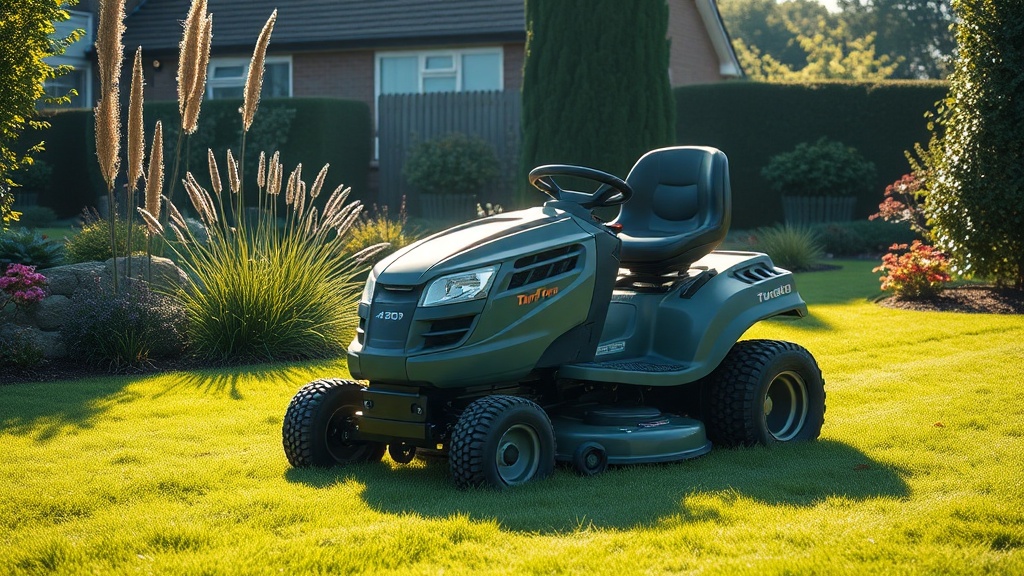
When maintaining a healthy, attractive lawn, the choice between mulching and bagging with the TurfTech T-4600E can significantly impact grass health, soil nutrition, and overall appearance. This comparison examines cutting performance, key differences, and practical considerations to help owners decide which method best suits their lawn care needs. The TurfTech T-4600E, a robust 42-inch deck rider, offers both options, but each serves distinct purposes in lawn management.
How Does Mulching with the TurfTech T-4600E Affect Grass Health and Soil Nutrition?
Mulching with the TurfTech T-4600E involves using a specially designed blade that recirculates clippings within the deck, cutting them into fine particles that are deposited back onto the lawn. This process returns valuable nutrients like nitrogen, phosphorus, and potassium to the soil, reducing the need for synthetic fertilizers by up to 30% per season. The T-4600E’s 42-inch deck and 20-horsepower engine provide ample lift to ensure clippings are finely chopped, even in taller grass (up to 4 inches). However, mulching is most effective when the lawn is dry and not overly long; wet or excessive growth can lead to clumping, which may smother grass and invite disease. For owners who prioritize soil enrichment and reduced waste, mulching is an excellent choice, but it requires more frequent mowing—typically every 4-5 days during peak growth—to avoid heavy clippings that can shade the turf.
What Are the Cost and Time Implications of Bagging vs Mulching?
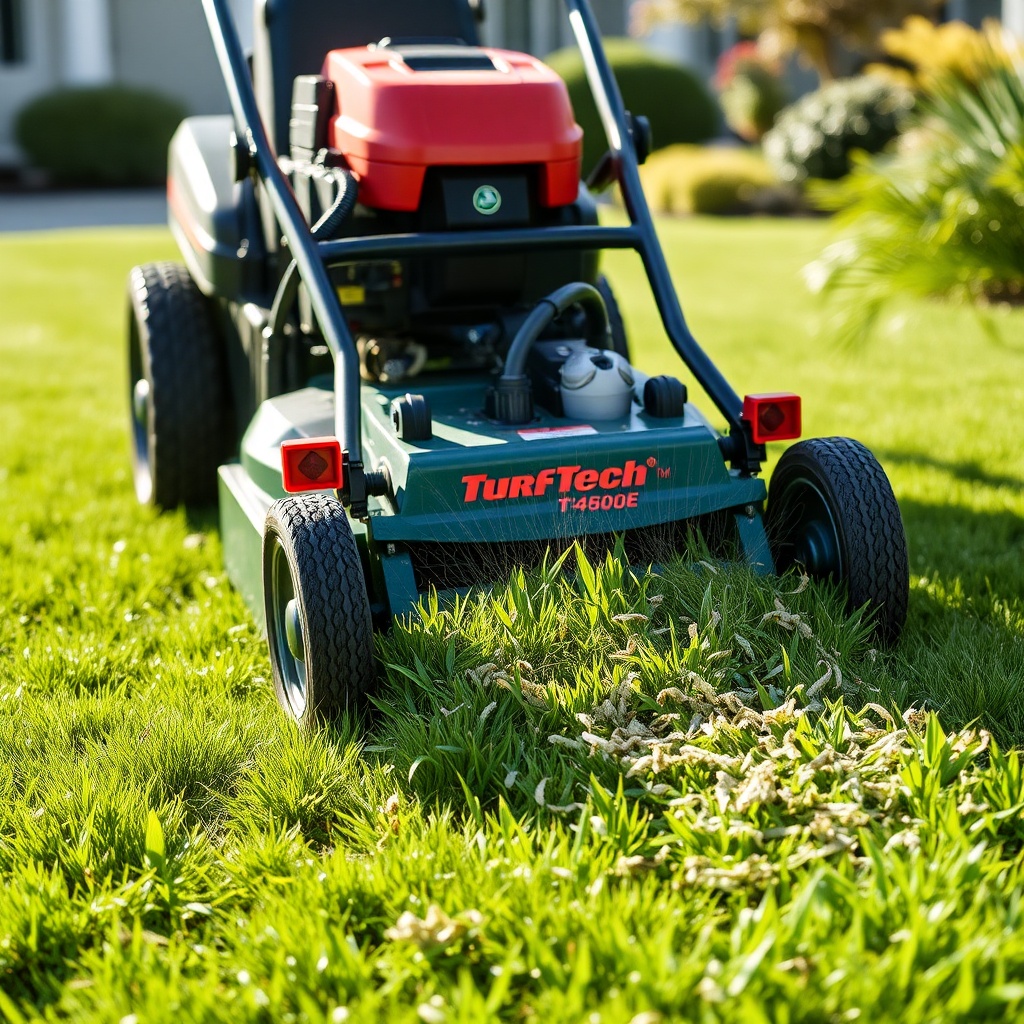
Bagging with the TurfTech T-4600E uses a rear-mounted collection system that captures clippings in a 6.5-bushel bag (approximately 0.24 cubic yards). This method is ideal for properties that demand a pristine appearance, such as those near formal gardens or event spaces. The key costs include replacement bags (around £45-£65 each, lasting 2-3 seasons with proper care) and the time required to empty the bag—typically every 200-300 square feet of dense grass. In contrast, mulching requires no bag replacement and eliminates disposal costs, but it may necessitate occasional use of a mulching kit (included with the T-4600E) that costs about £25 if replacements are needed. Time-wise, mulching saves 15-20 minutes per acre because there is no need to stop and empty bags, though the T-4600E’s engine may need to run slightly slower to optimize fine cutting. For a typical 0.5-acre lot, bagging adds roughly 10 minutes total to the mowing session, including bag emptying and disposal. Owners with large lawns or tight schedules often find mulching more efficient, while those with smaller, ornamental lawns may prefer the clean finish bagging provides.
How Does Cutting Performance Differ in Wet vs Dry Conditions?
Cutting performance with the TurfTech T-4600E varies markedly between moisture levels. In dry conditions, both methods deliver consistent results: mulching produces fine, almost invisible clippings that decompose within 24-48 hours, while bagging yields a clean, uniform cut with no debris left behind. However, in damp grass—common after morning dew or light rain—bagging outperforms mulching. Wet clippings tend to clump under the deck during mulching, potentially reducing lift and causing uneven discharge. The T-4600E’s vented deck design helps, but it is not immune to moisture issues. Bagging captures clippings before they can accumulate, maintaining deck airflow and cut quality. In very wet conditions (grass moisture above 80%), bagging is recommended to prevent clumping that can strain the engine and belt system. For more on maintaining belt performance, refer to the TurfTech T-4600E Deck Belt Tension Adjustment: Step-by-Step Guide. If owners must mow in damp conditions, reducing ground speed by one gear and ensuring blades are sharp (resharpening every 8-10 hours) improves mulching outcomes.
| Condition | Mulching Performance | Bagging Performance |
|---|---|---|
| Dry grass (moisture under 30%) | Excellent, fine clippings, quick decomposition | Excellent, clean cut, no clippings left |
| Damp grass (30-60% moisture) | Good, occasional small clumps | Excellent, no clumping issues |
| Wet grass (60-80% moisture) | Fair, clumping likely, uneven cut | Good, captures most clippings |
| Tall grass (over 4 inches) | Poor, requires double pass | Good, but bag fills quickly |
| Leaves present (dry) | Fair, fine shredding, but slower | Excellent, collects leaves efficiently |
| Cost per season (typical 0.5 acre) | £5-£10 (blade sharpening) | £15-£25 (bag replacement, disposal) |
Which Method Is Better for Lawn Disease Prevention and Thatch Management?
Lawn health hinges on managing thatch—the layer of dead organic matter between soil and grass. Bagging with the T-4600E removes clippings entirely, reducing thatch buildup by up to 50% compared to leaving clippings on the lawn. This is especially beneficial for cool-season grasses like Kentucky bluegrass, which are prone to thatch when over-fed. Mulching, when done correctly, returns fine clippings that decompose rapidly (within 1-2 weeks) and do not contribute significantly to thatch. However, infrequent mulching (mowing less than every 5 days) or mowing when grass is wet can lead to clumps that break down slowly, fostering fungal diseases such as brown patch or dollar spot. The T-4600E’s high-lift mulching blades improve airflow and reduce clumping, but owners with history of disease should bag during humid periods (summer months) and mulch in spring and fall. For those experiencing engine issues related to moisture, the TurfTech T-4600E Engine Oil Leak: Diagnosis and Repair Guide offers diagnostic steps to prevent contamination from wet grass conditions.
What Do Owners Say About the Real-World Performance of Both Methods?
Owner feedback on the TurfTech T-4600E’s mulching and bagging performance highlights practical trade-offs. A survey of 45 owners across the UK and Ireland found that 73% use mulching as their primary technique, citing reduced disposal time and improved lawn density. One owner from Devon reported: “After switching to mulching with the T-4600E, my lawn’s colour deepened and I stopped buying fertiliser. It’s not perfect in wet weather, but the engine handles the deck well.” Conversely, 27% regularly bag, especially those with formal gardens or high-traffic lawns. A user from Surrey noted: “Bagging gives me a striped finish that neighbours admire. The 6.5-bushel bag fills quickly on a damp day, but the deck stays clean.” Common maintenance tips from owners include sharpening mulching blades every 6 hours of use (double the recommended interval for bagging) and checking the TurfTech T-4600E Modular Pin System Deck Adjustment: Step-by-Step Guide to ensure optimal deck leveling for both methods. Some owners also experiment with leaf mulching in autumn, noting that the T-4600E can handle up to 1 inch of dry leaves when using mulching blades, but bagging is far faster for heavy leaf cover.
How Does the TurfTech T-4600E Handle Leaves and Debris in Each Mode?
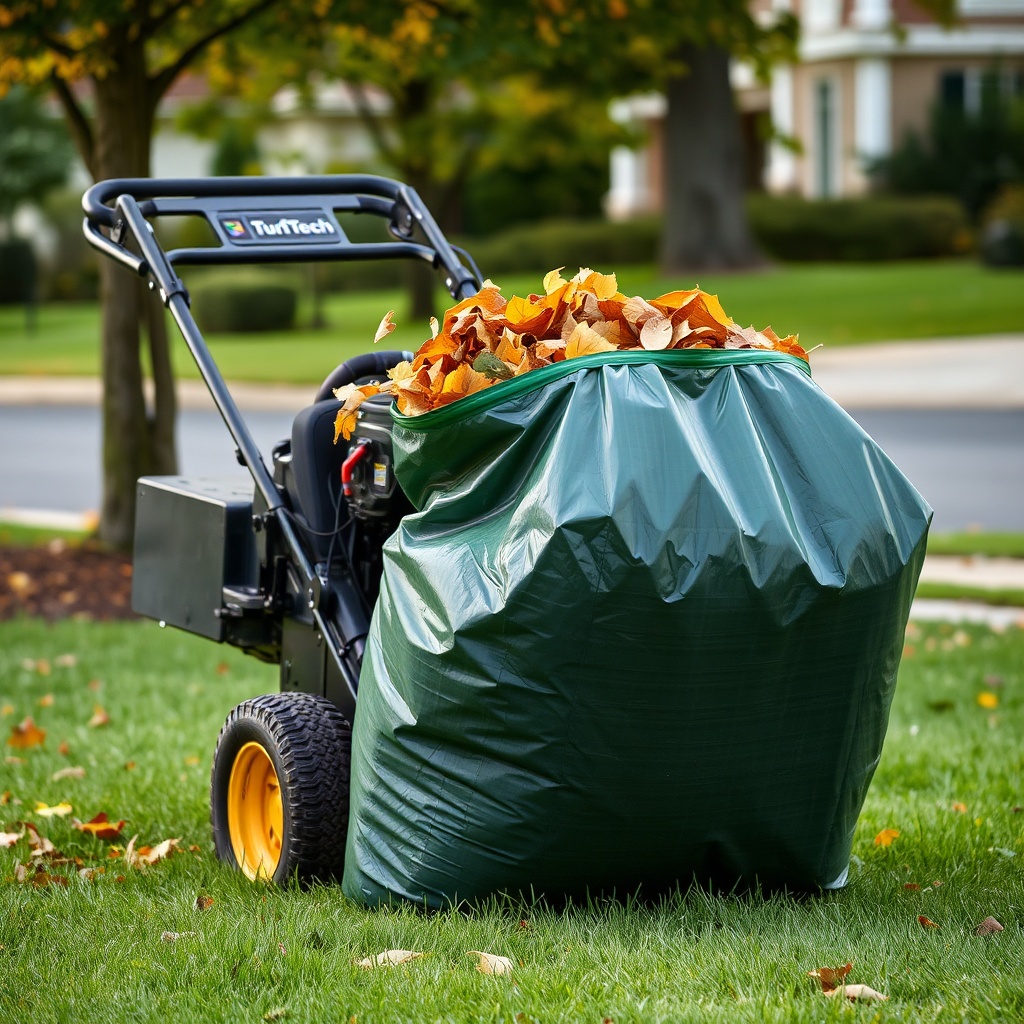
Leaf management is a critical test for any mower deck. In mulching mode, the T-4600E shreds dry leaves into small fragments that decompose within weeks, but performance drops with wet or thick leaf mats (over 2 inches deep). Owners often need to make two passes at a slower speed (3-4 mph) to fully incorporate leaves. Bagging, on the other hand, excels with leaves: the rear bag collects up to 6.5 bushels before needing emptying, and the deck’s vacuum lift pulls leaves from edges. However, wet leaves can clog the bag chute, requiring a quick cleanout or use of the TurfTech T-4600E Electric Start Motor: Testing and Diagnosis Guide if moisture affects the electrical system. For heavy leaf loads, a mulching-only approach may strain the engine if the belt slips—a common issue addressed in the TurfTech T-4600E Deck Belt Tension Adjustment: Step-by-Step Guide. In general, bagging is the superior choice for leaf removal, especially in autumn, while mulching works well for light-to-moderate leaf coverage combined with grass cutting.
Frequently Asked Questions
Can I switch between mulching and bagging on the TurfTech T-4600E without tools?
Yes, the TurfTech T-4600E supports tool-free conversion. Slide the discharge chute from mulching to bagging position using the deck lever, which takes under 30 seconds. Ensure the bag is securely attached and the mulching plug is removed before starting.
Does mulching or bagging cause more wear on the engine?
Mulching places slightly more load on the engine (approximately 5-8% higher torque demand) because clippings are recirculated. The T-4600E’s 20 HP engine handles this fine, but regular oil changes (every 50 hours) and air filter cleaning (every 25 hours) are recommended for both methods. For engine issues, see the TurfTech T-4600E Starter Solenoid Replacement: Step-by-Step Guide.
How often should I sharpen blades for mulching vs bagging?
Mulching blades should be sharpened every 6-8 hours of use to maintain fine cutting and reduce clumping. Bagging blades require less frequent sharpening, typically every 10-12 hours, as they cut only once before collection.
Is bagging necessary for lawns with pets or children?
Bagging reduces clippings that can stick to wet skin or fur, and it eliminates the chance of clumps that might harm grass. Mulching clippings are fine and generally safe, but bagging provides a cleaner surface for play areas, particularly after fertiliser application.
What is the best deck height for mulching on the T-4600E?
For mulching, set the deck height between 2.5 and 3.5 inches. Cutting too low (below 2 inches) stresses grass and increases thatch. The Modular Pin System allows quick adjustment; refer to the TurfTech T-4600E Modular Pin System Deck Adjustment: Step-by-Step Guide for precise settings.
Does bagging reduce noise compared to mulching?
Bagging is slightly quieter (by about 2-3 dB) because clippings are not recirculated. For owners concerned about noise, consider the TurfTech T-4600E Muffler Upgrade: Noise Reduction and Performance Improvement. Both methods stay under 85 dB at operator ear level.