TurfTech T-4600E Electric Start Not Working: A Systematic Approach
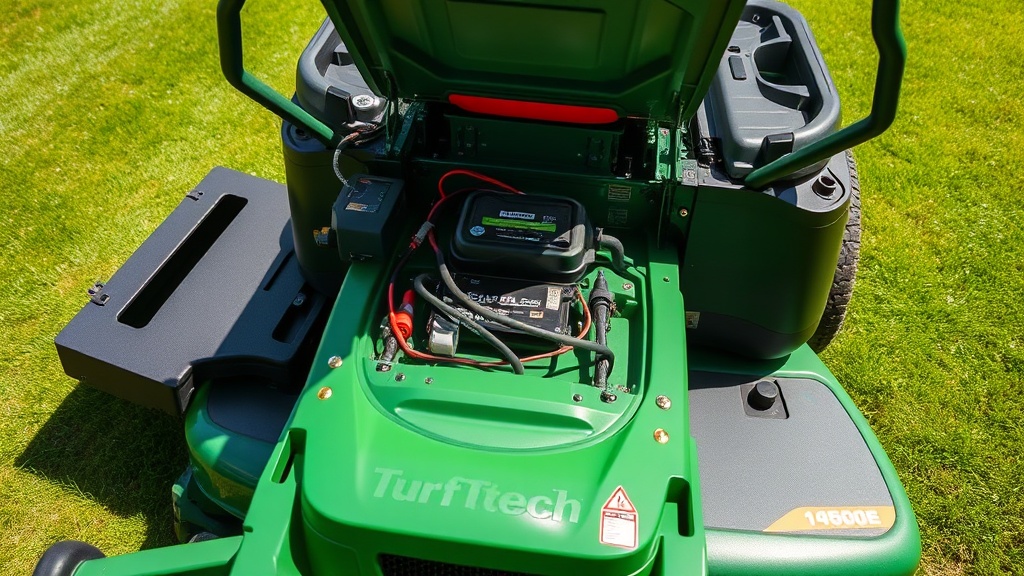
The TurfTech T-4600E is a robust zero-turn mower that relies heavily on its 12-volt electric start system. When the starter fails to engage or the engine turns over slowly, productivity grinds to a halt. This guide provides a step-by-step diagnosis, focusing on the most common electrical faults, from a dead battery to a faulty solenoid. Before starting any repair, always disconnect the spark plug wire to prevent accidental starting.
Why Does the TurfTech T-4600E Electric Start Produce a Clicking Sound?
A rapid clicking noise when the key is turned indicates that the starter solenoid is attempting to engage, but the battery cannot supply sufficient current. This is almost always a battery or connection issue, not a starter motor failure. The clicking is the solenoid’s internal contacts opening and closing rapidly due to voltage drop.
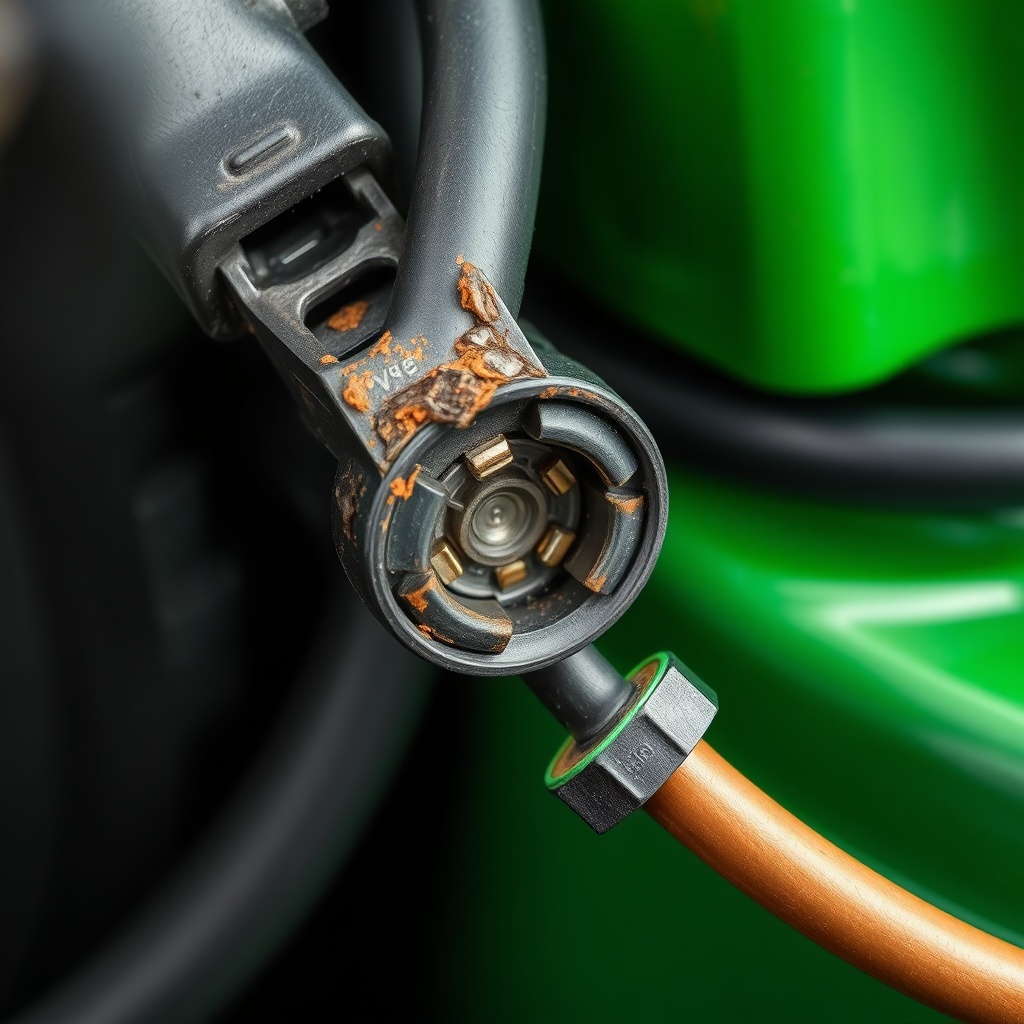
Begin by inspecting the battery terminals. Corrosion, loose connections, or a low state of charge are the primary culprits. Use a digital multimeter to measure battery voltage. A fully charged lead-acid battery should read 12.6 volts or higher. If the reading is below 12.4 volts, charge the battery with a quality automatic charger. If the battery is more than three years old or fails to hold a charge after a full recharge, replacement is necessary. Also, check the ground cable connection to the engine block or frame—a corroded or loose ground is a frequent cause of starting issues. For detailed battery care, read our TurfTech T-4600E Electric Start Battery Maintenance: Tips and Troubleshooting guide.
How to Test the Starter Solenoid on the T-4600E?
The solenoid is a relay that carries high current from the battery to the starter motor. If the battery is healthy but the mower still does not crank, test the solenoid. Locate it near the battery tray. You will need a multimeter and a heavy-gauge jumper wire (12 AWG minimum).
Step 1: Test for Voltage at the Solenoid Input
Set the multimeter to DC volts (20V scale). Connect the black lead to the negative battery terminal. Touch the red lead to the large terminal on the solenoid that receives the battery positive cable. You should see battery voltage (12.5V+). If not, check the battery cable.
Step 2: Test for Voltage at the Solenoid Output
With the key turned to the START position (engine off), you should see battery voltage at the other large terminal (the one going to the starter motor). If you see full voltage there but the starter does not turn, the solenoid is likely working, and the problem is the starter motor or the wiring to it.
Step 3: Bypass Test (Use extreme caution)
If you do not see voltage at the output terminal, use a heavy jumper wire to momentarily connect the two large terminals. If the starter cranks the engine, the solenoid is defective and needs replacement. A faulty solenoid often has internal burned contacts. A replacement solenoid typically costs between £15 and £30.
If the bypass test does nothing, the starter motor itself is likely faulty. This can be due to worn brushes, a failed armature, or a seized bearing. Starter motor replacement for the T-4600E usually costs between £80 and £150.
Why Does the Engine Crank Slowly Even with a New Battery?
If the engine turns over slowly despite a fully charged new battery, the issue lies in high electrical resistance, a failing starter, or mechanical drag. The following table outlines the most common causes and their typical remedies.
| Symptom | Probable Cause | Severity | Repair |
|---|---|---|---|
| Engine cranks very slowly, lights dim | Corroded battery terminals or cables | High | Clean terminals, replace cables if corrosion is heavy |
| Engine cranks slowly, no lights dim | Worn starter motor brushes | Medium | Replace starter motor assembly |
| Engine cranks slowly, sounds like grinding | Damaged starter ring gear or bendix | High | Inspect ring gear; replace starter or ring gear |
| Engine cranks slowly, then stops after a few seconds | Overheated starter motor (high resistance) | Medium | Allow starter to cool; test cable resistance |
| Engine cranks slowly, oil smells burnt | Mechanical binding (valve lash, cylinder issue) | High | Check valve lash; see TurfTech T-4600E OHV Valve Lash Adjustment: Step-by-Step Guide |
Slow cranking can also be caused by a faulty ignition switch or a shorted diode in the charging system. If the voltage drops significantly when cranking (below 10V), the battery may be sulfated or have a high internal resistance, even if it seems to charge.
How to Troubleshoot the Safety Interlock System?
The T-4600E is equipped with multiple safety switches that prevent the engine from starting if the operator is not seated, the parking brake is not engaged, or the blades are engaged. If the electric start does nothing—no click, no crank—the safety interlock system may be the culprit.
Common Interlock Failures
- Seat switch: Often fails due to moisture or wear. The switch is located under the seat. With the key on, press the seat down. Use a multimeter to check continuity across the switch terminals when depressed. If open, replace the switch (typically £10-£20).
- Parking brake switch: This switch is usually a simple plunger type. Ensure the brake lever is fully engaged. Test for continuity. Corrosion at the connector is common.
- Blade engagement switch (PTO): The PTO switch must be in the OFF position. If the switch is stuck or internally shorted, it will prevent starting. Test with the PTO lever in the off position—check for continuity to ground.
- Neutral safety switch: On zero-turn mowers, the control levers must be in the neutral position. The switch is often a magnetic reed type. If the levers are out of adjustment, the switch may not close. Check the adjustment procedure in the owner’s manual.
If all safety switches test good, the problem may be in the wiring harness between the switches and the start solenoid. A broken wire or a corroded connector can cause an open circuit. Use a wiring diagram (available in the service manual) to trace the circuit.
What Role Does the Ignition Switch Play in Starting Issues?
The ignition switch is a mechanical component that can fail over time. A worn switch may not make proper contact in the START position, preventing voltage from reaching the solenoid. This can be intermittent.
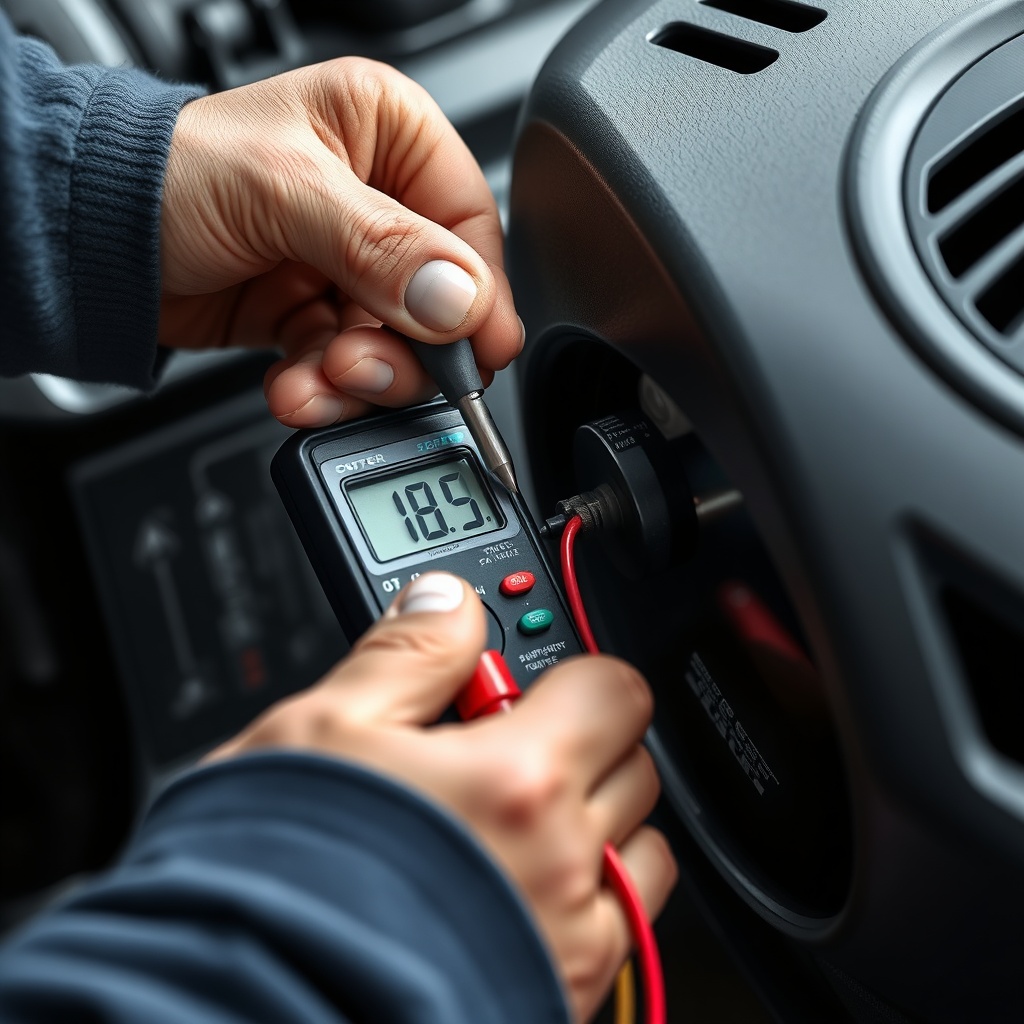
To test the switch, you will need the mower’s wiring diagram to identify the correct terminals. With the battery disconnected, set the multimeter to ohms (Ω). In the OFF position, all terminals should read open (infinity). In the START position, the BATT, START, and IGN terminals should show continuity (near zero ohms). If a reading is inconsistent or open, replace the switch. A new ignition switch for the T-4600E typically costs between £12 and £25.
A less common but possible issue is a poor connection in the starter relay circuit that bypasses the switch. Some models use a separate starter relay (different from the solenoid) that can fail. This relay is usually a small box near the solenoid. It can be tested similarly to the solenoid—listen for a click when the key is turned. If no click, verify power and ground at the relay coil.
What Owners Say
Owners of the T-4600E frequently report that the electric start system is reliable when properly maintained, but neglect of the battery and connections is the primary cause of failure. Many users on forums agree that the solenoid is a weak point, often failing after two to three years of use, especially in humid climates. One owner noted, “I replaced the battery and still had a click. Turned out the ground cable was corroded inside the terminal. Cleaned it with baking soda and water, and it started perfectly.” Another common experience is that the seat safety switch can fail after exposure to heavy rain. Several owners recommend investing in a good battery maintainer during the off-season and always checking the parking brake switch if the mower suddenly refuses to start. A third-party replacement solenoid that fits the Eaton-PTO style is widely praised for its durability compared to the OEM part.
Frequently Asked Questions
Q: Why does my TurfTech T-4600E click once and then nothing happens?
A: A single click often means the starter solenoid is engaging but the starter motor is not turning. This can be due to a dead spot in the starter motor, a stuck bendix gear, or a poor connection at the starter itself. Begin by ensuring the battery is fully charged and the terminals are clean. If the problem persists, the starter may need replacement; it usually costs between £80 and £150.
Q: Can a bad spark plug cause the electric start to fail?
A: No, a bad spark plug will not prevent the starter from cranking the engine. However, if the spark plug is fouled, the engine may not start even if it cranks. Always check the spark plug after confirming the engine cranks. See our TurfTech T-4600E Spark Plug Replacement: Step-by-Step Guide and Tips for details.
Q: Why does my T-4600E start with the key but then die immediately?
A: This is usually not an electric start issue. It points to a problem with the fuel system (clogged carburetor, bad fuel) or a faulty carburetor. If the engine runs only while spraying starter fluid, the carburetor is likely the culprit. Refer to our TurfTech T-4600E Carburetor Cleaning: Step-by-Step Guide and Tips for cleaning instructions.
Q: Should I replace the battery or the solenoid first on my T-4600E?
A: Always start with the battery. Test its voltage and, if possible, load test it. A battery that reads 12.6V but fails under load is defective. The solenoid is the next most common part. Use the bypass test described above to isolate the solenoid. A new battery costs around £50 to £80, while a solenoid is about £15 to £30.
Q: What torque should the battery terminals be tightened to on the T-4600E?
A: For the 12V battery used on the T-4600E, the terminal nuts should be tightened to 10-12 Nm (90-110 in-lbs). Over-tightening can crack the battery posts, while under-tightening leads to voltage drop and heat buildup. Always use a torque wrench if available.
Q: Can a faulty diode in the alternator cause the electric start to not work?
A: Yes, a shorted or open stator diode can drain the battery or prevent the charging system from working, leading to a discharged battery. However, this is a less common cause. If the battery repeatedly goes dead and you have verified the battery and starter circuit are good, check the charging system output. A healthy system should show 13.5 to 14.5 volts at the battery with the engine running at full throttle. For more on electrical issues, see the TurfTech T-4600E Electric Start Not Working: Diagnosis and Repair Guide.