Short Direct Introduction
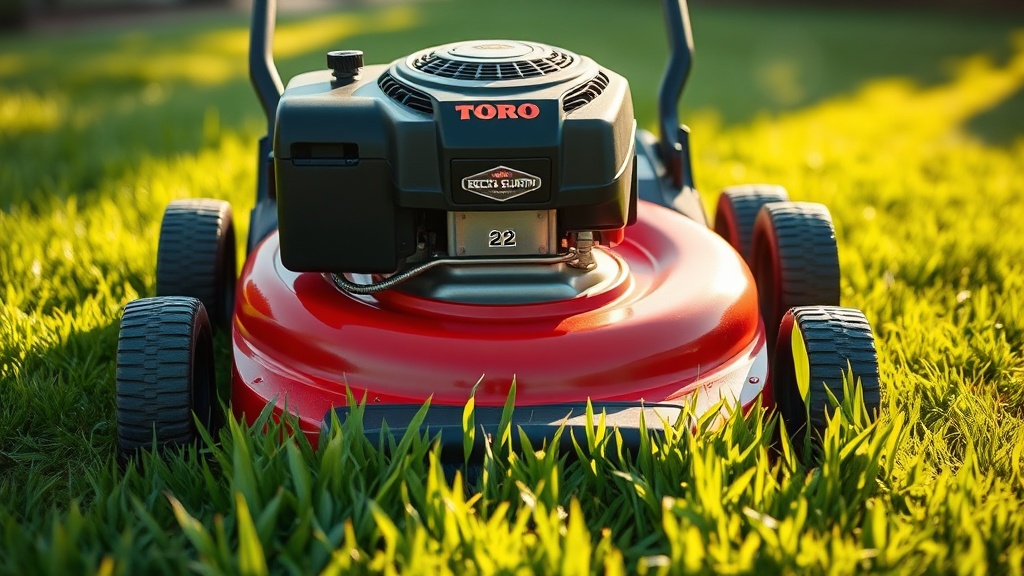
For those who take lawn care seriously, the Toro Recycler 22’s powerplant is more than just a motor—it’s the core of its performance. This article provides an in-depth look at the 190cc Briggs & Stratton engine that drives this popular mower, from its real-world power output to common quirks owners face. We’ll cover what makes this engine tick, how it stacks up against alternatives, and practical advice for keeping it running strong.
What Specific Engine Powers the Toro Recycler 22?
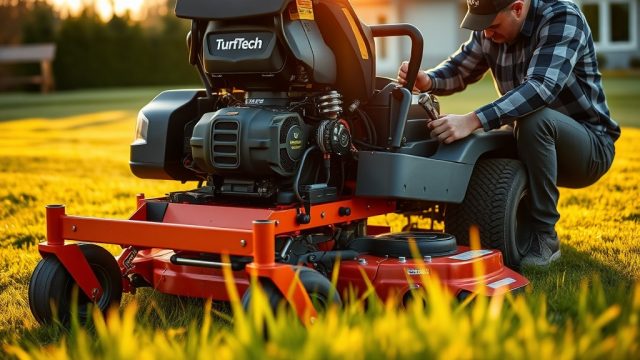
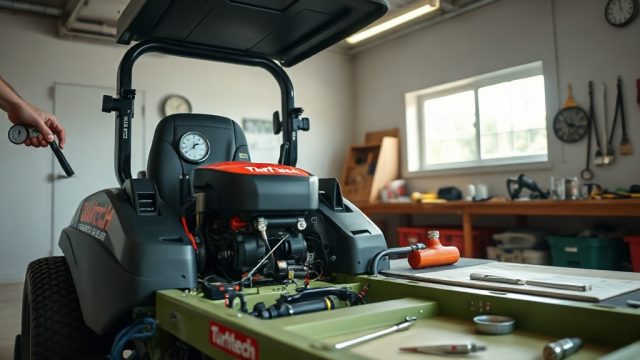
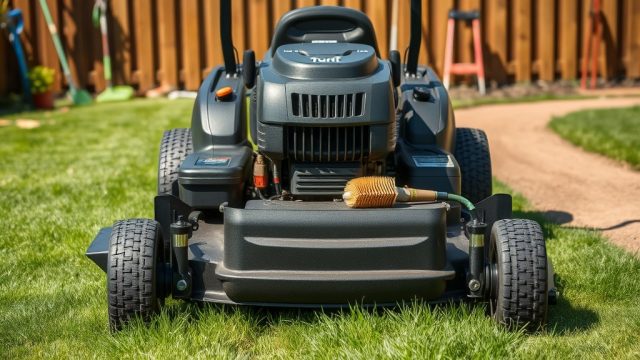
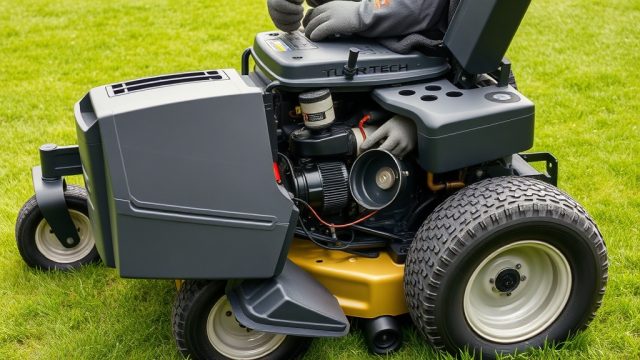
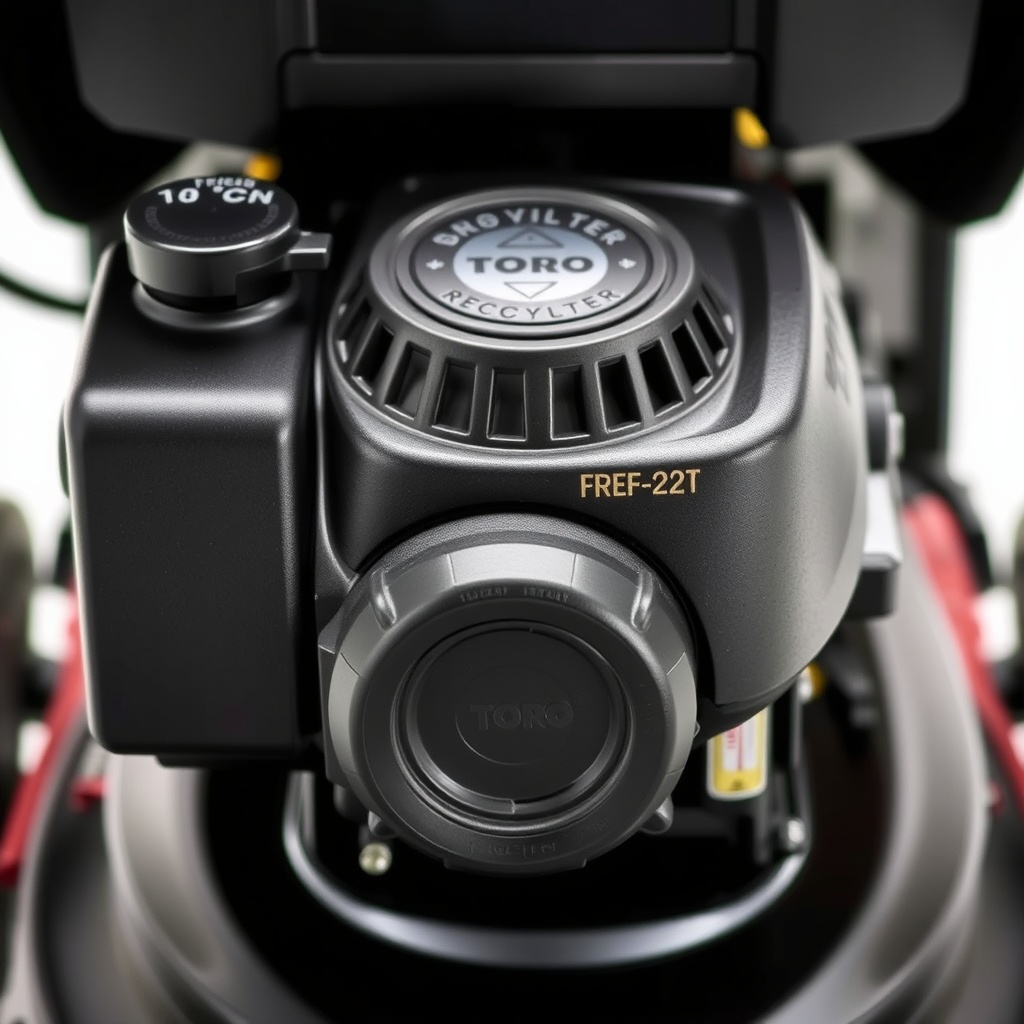
The Toro Recycler 22 is equipped with a Briggs & Stratton 190cc engine, specifically the 450E Series. It is a single-cylinder, four-stroke, overhead valve (OHV) engine designed for residential mowing. The “190cc” refers to the engine’s displacement—essentially the volume of its cylinders. In practice, this displacement provides a solid balance of torque and fuel efficiency for cutting grass up to about half an acre per session. Unlike some competitors that use Chinese-sourced engines, Briggs & Stratton remains a widely trusted U.S. brand, with parts availability and service support being a significant plus for owners who prefer to do their own maintenance.
The 450E Series uses a cast iron cylinder sleeve for durability, and its OHV design promotes cooler operation and lower emissions compared to older flathead engines. It also features a carburetor with a simple choke system, which is generally reliable but can be affected by ethanol-blended fuels if not stabilized. The engine breathes through a paper air filter housed in a plastic cover, and the fuel tank has a capacity of 1.5 quarts—enough for about 45 minutes of continuous mowing on a typical lawn.
How Does the 190cc Engine Perform on Different Lawn Types?
In practical terms, the 190cc engine on the Toro Recycler 22 delivers about 6.75 ft-lbs of torque at 3,600 RPM. This is sufficient for cutting thick, damp fescue or Bermuda grass up to 6 inches tall. On a level lawn, the engine maintains consistent blade speed even when the grass is wet, thanks to its torque curve. However, on steep slopes—anything over 15 degrees—you may notice a slight drop in blade speed, and the self-propelled system might struggle to keep up if grass is heavy. Owners report that the engine pulls well through thick patches, but it is not a commercial-grade unit; pushing through dense, overgrown weeds can sometimes bog it down, requiring a second pass.
For mulching, the engine’s torque is adequate to continuously re-cut clippings into fine particles, provided the blade is sharp and the deck is clean. When bagging, the engine maintains enough power to blow clippings into the bag without excessive clogging on most residential lawns. If you frequently cut tall, wet grass, consider using the side discharge to reduce strain on the engine.
What Are the Most Common Engine Problems Owners Encounter?
Like any small engine, the Briggs & Stratton in the Toro Recycler 22 has a few known issues. Below is a table that summarizes the severity of common problems, helping you prioritize your attention.
| Issue | Severity & Action |
|---|---|
| Hard starting (cold engine) | Usually not urgent. Often caused by stale fuel or a dirty carburetor. A flush with fresh fuel and a can of carburetor cleaner usually resolves it. If recurring, consider a carburetor rebuild (every 2-3 years). |
| Engine surges at idle | Needs attention soon. This usually indicates a blocked idle jet or a vacuum leak in the carburetor gasket. Ignoring it can lead to unstable operation and poor fuel economy. Replace the carburetor gasket and clean the jets. |
| Smoking from the exhaust (blue or white) | Needs attention soon. Blue smoke suggests worn rings or valve seals; white smoke may indicate a head gasket leak. Both require professional diagnosis if you are not comfortable with engine teardown. |
| Low power under load | Usually not urgent initially. Check the air filter and spark plug first. If that doesn’t help, clean the carburetor and check for a blocked fuel filter. Continued neglect can damage the engine. |
| Engine vibrates excessively | Needs attention soon. A loose flywheel key, unbalanced blade, or worn crankshaft bearings are the usual culprits. Stop using the mower and inspect immediately to avoid shaft damage. |
If you are experiencing the Personal Pace system not working properly, it may feel like an engine issue, but the drive system is separate. For specific diagnosis, see our Toro Recycler 22 Personal Pace Problems: Diagnosis and Fixes guide.
What Maintenance Does the 190cc Engine Require?
Keeping the Briggs & Stratton engine healthy follows a straightforward routine. Change the oil every 25 hours of use or at least once per season. Use SAE 30 weight oil (10W-30 in colder months). The engine holds about 20 ounces of oil. The Toro Recycler 22 Maintenance Schedule: Oil Change and Blade Sharpening article provides a full timeline, but key points for the engine include:
- Clean or replace the paper air filter every 50 hours or every spring, whichever comes first.
- Replace the spark plug (Champion RC12YC or equivalent) annually.
- Inspect the fuel filter (if equipped) every season and replace if sediment is visible.
- Use fuel stabilizer if you store the mower for more than 30 days.
A simple tip: after each use, let the engine cool, then wipe down the engine fins to prevent debris buildup, which can cause overheating.
How Does This Engine Compare to Other Lawn Mower Engines?
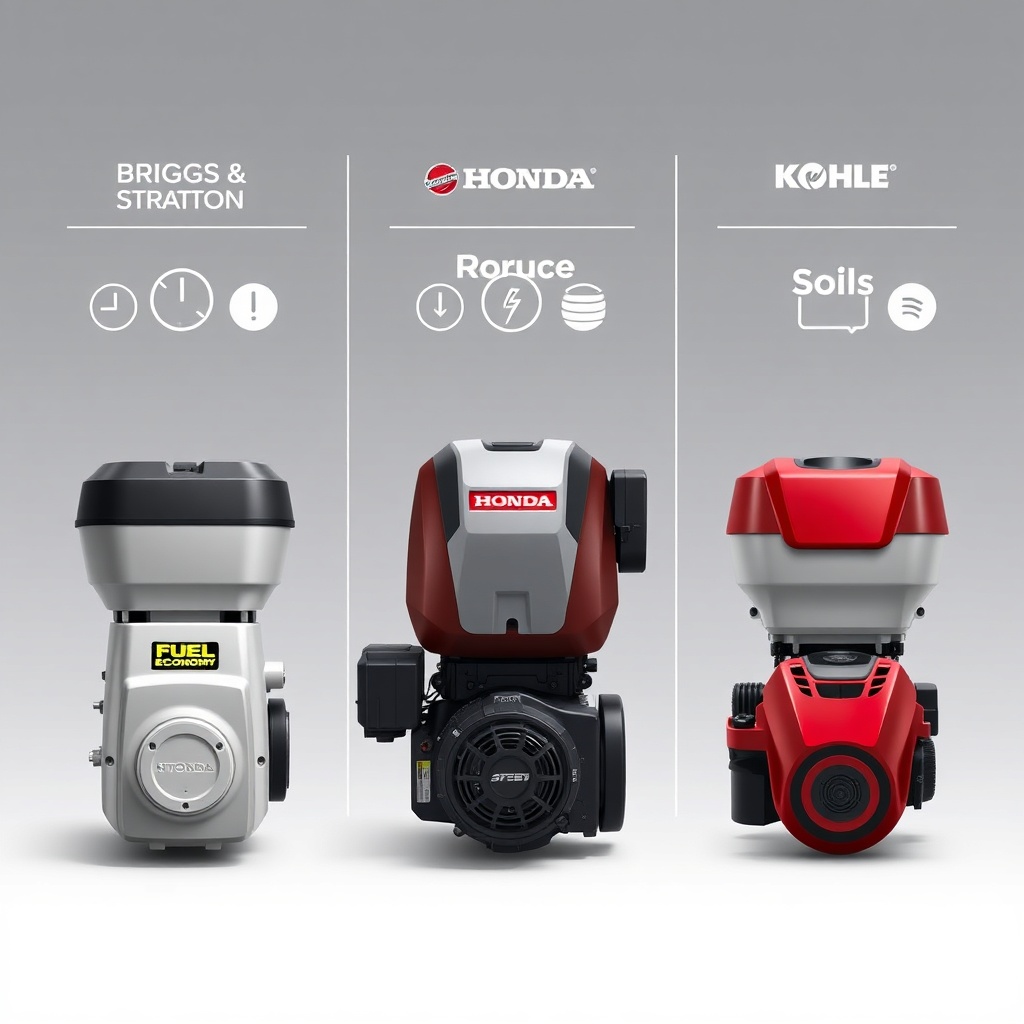
The 190cc Briggs & Stratton is a mid-range engine. For comparison, a Honda GXV160 (160cc) is quieter and more fuel-efficient, but the Briggs offers similar torque and is typically cheaper to repair. A Kohler 6000 series (165cc) provides slightly better fuel economy but has less low-end torque. The Toro Recycler 22’s engine is about average for its class—adequate but not exceptional. The biggest advantage is the widespread availability of parts: you can find gaskets, pistons, and carburetors at most hardware stores. The downside is that the engine is not quiet; it operates at around 96 dB at full throttle, comparable to most push mowers.
What Owners Say About the Toro Recycler 22 Engine
Real-world feedback from owners reveals a consistent pattern. Most users are satisfied with the engine’s reliability for basic mowing needs. One owner noted, “I’ve had mine for three seasons. Starts on the first or second pull every time, even after winter storage, as long as I drain the gas.” Another owner mentioned a recurring issue: “After about two years, the engine started surging when the grass was thick. Cleaning the carburetor fixed it, but it took me a while to figure out. The dealer wanted $100 just to look at it.” A third owner pointed out, “It’s not a racing engine, but it chews through a soggy lawn without stalling. Just don’t expect it to climb a steep hill without slowing down.” For more about the cutting experience, see our How the Toro Recycler 22 Cutting System Works: Mulching vs Bagging article.
Frequently Asked Questions
Q: How much horsepower does the Toro Recycler 22’s 190cc engine actually produce?
A: The Briggs & Stratton 450E Series engine is rated at about 6.5 to 7.0 gross horsepower at 3,600 RPM. Real-world output is closer to 5.5 HP to the blade due to drive losses.
Q: Can I use synthetic oil in this engine?
A: Yes, you can use SAE 5W-30 synthetic oil, but it is not recommended for breaking in a new engine. For normal use, it offers better protection in extreme temperatures.
Q: Why does my engine emit white smoke on startup?
A: White smoke that clears after a few seconds is usually condensation in the exhaust. If it persists, it may indicate a head gasket leak or coolant entering the combustion chamber.
Q: How do I fix a surging engine?
A: Start by cleaning the carburetor jets with a shop vacuum and carburetor cleaner. Replace the air filter if it’s dirty. If that doesn’t work, check for a vacuum leak in the intake manifold gasket.
Q: Is the engine easy to replace if it fails?
A: Yes, because it is a common base-mounted engine. You can unbolt the deck, disconnect the throttle cable and fuel line, and swap in a new or rebuilt 190cc Briggs & Stratton. Expect to pay around $300-$400 for a replacement engine.
Q: Can I use E15 fuel in this engine?
A: Briggs & Stratton recommends using fuel with no more than 10% ethanol (E10). E15 or higher can damage the carburetor seals and fuel lines over time. Use a fuel stabilizer designed for ethanol fuels.