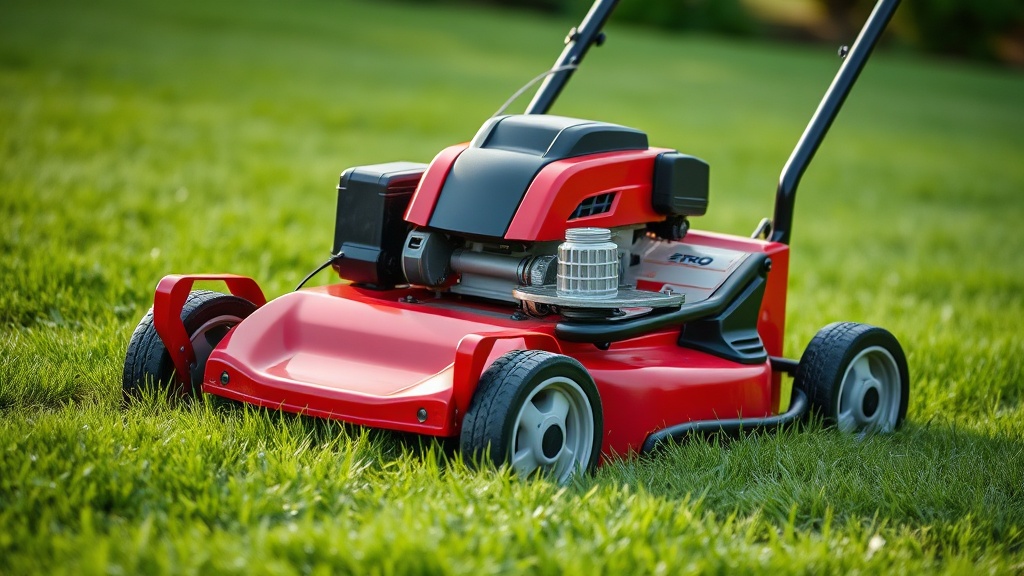
Understanding how the Toro Recycler 22 cutting system works can save you from a clumpy mess and improve your lawn’s health. This mower uses a clever combination of blade design and deck airflow to either finely chop clippings or collect them in a bag. Here’s the practical breakdown of mulching versus bagging with this specific model.
What Is the Toro Recycler 22 Cutting System and How Does It Differ from Standard Mowers?
The Recycler 22 uses a dedicated cutting deck that is shallower than many competitors, measuring about 2.5 inches deep. This shallow deck creates higher air velocity under the deck, which keeps clippings suspended longer. The blade is a specialized “Recycler” blade with a curved upper surface and a sharpened leading edge. Unlike standard flat blades that simply cut and throw clippings into a bag, this blade generates a vortex that recirculates clippings multiple times inside the deck. The result is that grass is cut, then chopped again—and often a third time—before being pushed downward into the turf. On standard mowers, clippings typically get thrown into a bag or out a side discharge. The Recycler 22’s system is designed to reduce clipping size by roughly 80–90% compared to standard mowers, meaning you get fine particles that break down quickly between grass blades.
When you switch to bagging mode, the mower uses a different internal baffle configuration. The rear discharge chute opens fully, and the blade’s vortex directs clippings straight into the bag. The bag itself is a 1.5-bushel capacity unit with a fabric mesh that allows air to escape without clogging. This matters because a clogged bag reduces suction and leads to uneven cutting. For the Recycler 22, the transition between mulching and bagging is achieved by removing the mulch plug (a plastic or metal cover over the discharge opening) and attaching the bag adapter frame. The deck shape remains identical—only the airflow path changes.
How Does the Toro Recycler 22 Mulching Mode Actually Work?
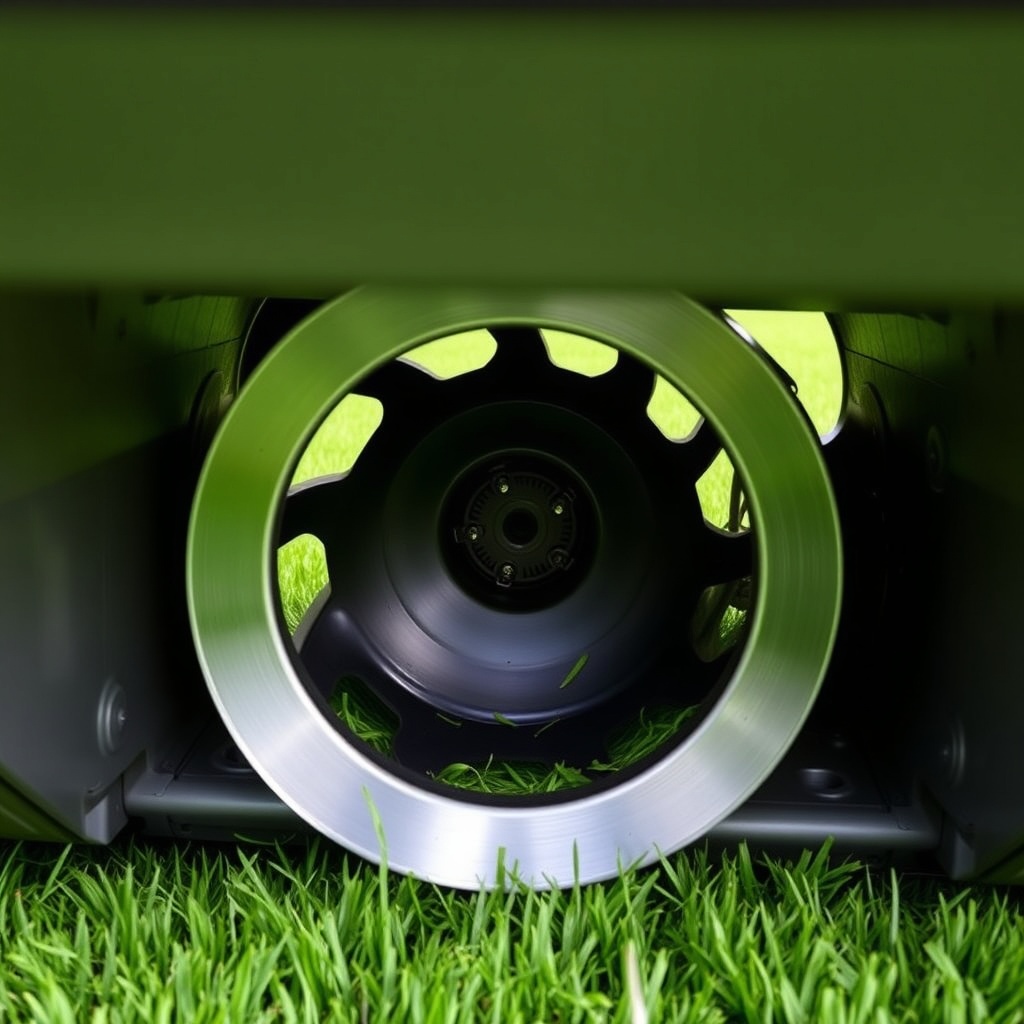
In mulching mode, the Recycler 22 uses what Toro calls “Recycler Cutting System.” Here’s the step-by-step process: When you push the mower forward, the Briggs & Stratton 190cc engine spins the blade at about 3,200 RPM (no-load speed). The blade cuts the grass at the front of the deck. The curved shape of the blade, combined with the shallow deck height, creates a pressure differential. Air is pulled in from the sides of the deck and forced upward by the blade’s rotation. Clippings are lifted, then directed toward the center of the deck, where they encounter the blade again. This recirculation happens roughly three times per cut cycle. The key physics here is that the cutting chamber maintains a negative pressure relative to the outside, which keeps clippings from falling out before they’re fully processed. The fine clippings—typically 0.25 to 0.5 inches long—are then pushed down into the lawn by the rear of the deck’s discharge skirt. This action deposits nutrients directly into the soil layer, which can reduce fertilizer needs by up to 25% over a season.
For the system to work properly, you need to follow one crucial rule: never cut more than one-third of the grass blade height at once. If you try to mulch tall, wet grass, the clippings become too large to be recirculated effectively, and you’ll get clumps. Also, the blade must be sharp. A dull blade tears grass rather than cutting it cleanly, which leads to brown tips and poor decomposition. Toro recommends sharpening the blade every 25 hours of use or at least once per season. You can read more about blade maintenance in our Toro Recycler 22 Maintenance Schedule guide.
When Should You Use Bagging Mode Instead of Mulching on the Toro Recycler 22?
Bagging mode is your friend when grass is long, wet, or when you’re dealing with disease-infested turf. On the Recycler 22, bagging works by redirecting the airflow from recirculation to straight-through discharge. The mulch plug must be removed entirely, and the rear bag assembly snaps onto two pins on the handle frame. The bag adapter includes a plastic deflector that seals against the deck’s rear opening. When the blade spins, it creates a strong vacuum effect that pulls clippings directly into the bag instead of recirculating them. The 1.5-bushel bag (about 1.2 cubic feet) fills quickly if grass is thick, but the mesh vents at the top allow for decent airflow retention. You’ll know the bag is full when the mower starts to leave clippings behind—typically after 1,500 to 2,000 square feet of cutting in moderate grass.
Bagging is particularly useful in early spring when grass growth is explosive, or in fall when leaves are present. The Recycler 22 can handle up to half a bushel of leaves when bagging, though dry leaves work better than wet ones. If you’re dealing with fungal diseases like brown patch or dollar spot, always bag the clippings to prevent spore spread. Also, if you’re overseeding or applying pre-emergent herbicides, bagging prevents the chemical from being blocked by clippings. The transition between modes takes about 30 seconds once you’re used to the latch system. Just stop the engine—never try to swap the mulch plug with the engine running. A common mistake is leaving the mulch plug partially engaged while bagging, which reduces suction and causes the bag to not fill properly.
| Symptom | Severity Level |
|---|---|
| Grass clippings left in clumps on lawn after mulching | Needs attention soon — usually means grass is wet or blade is dull; sharpen blade and wait for dry conditions |
| Bag fills slowly or mower leaves trail of clippings | Needs attention soon — check bag for blockage at top vent or loose adapter seal |
| Mower vibrates excessively during operation | Needs attention soon — could indicate unbalanced blade from wear or debris buildup under deck |
| Mulching mode works fine but bagging leaves clippings on lawn | Usually not urgent — check that bag is fully latched and mulch plug is completely removed |
| Deck has buildup of wet grass under it after mulching | Usually not urgent — clean underside after mowing; excessive buildup leads to rust over years |
What Is the Difference in Grass Quality Between Mulching and Bagging on This Mower?
Mulching with the Recycler 22 produces a finer texture than most mowers. When done correctly, clippings are so small that they filter down between grass blades within 24 to 48 hours. Within a week, they decompose and release nitrogen back into the soil. The primary benefit is that your lawn gets a slow-release fertilizer boost without you having to buy bags of product. However, if you have a heavy thatch layer (more than half an inch thick), mulching can contribute to thatch buildup over time, though the Recycler 22’s fine cutting reduces this risk compared to standard mulching mowers. Bagging, on the other hand, produces a clean, manicured look—no visible clippings on the lawn. The trade-off is that you’re removing nutrients from the lawn. Studies from extension services show that bagging removes about 0.25 pounds of nitrogen per 1,000 square feet per mowing, which you’ll need to replace with fertilizer.
In terms of lawn appearance, mulching can sometimes leave a slightly dull finish because the clippings are deposited between the grass. The color difference is minimal to the naked eye unless grass is very fine. Bagging gives a brighter, neater look, especially if you have a show lawn. One practical tip: if you alternate between mulching and bagging, run the mower on bagging mode once a month to remove any accumulating thatch or debris. But for most homeowners, mulching 90% of the time and bagging only when needed works best. The Recycler 22 is one of the few mowers that handles this dual-mode switching without sacrificing performance in either mode.
How Does the Toro Recycler 22 Engine Affect Cutting Performance in Mulch vs Bag Mode?
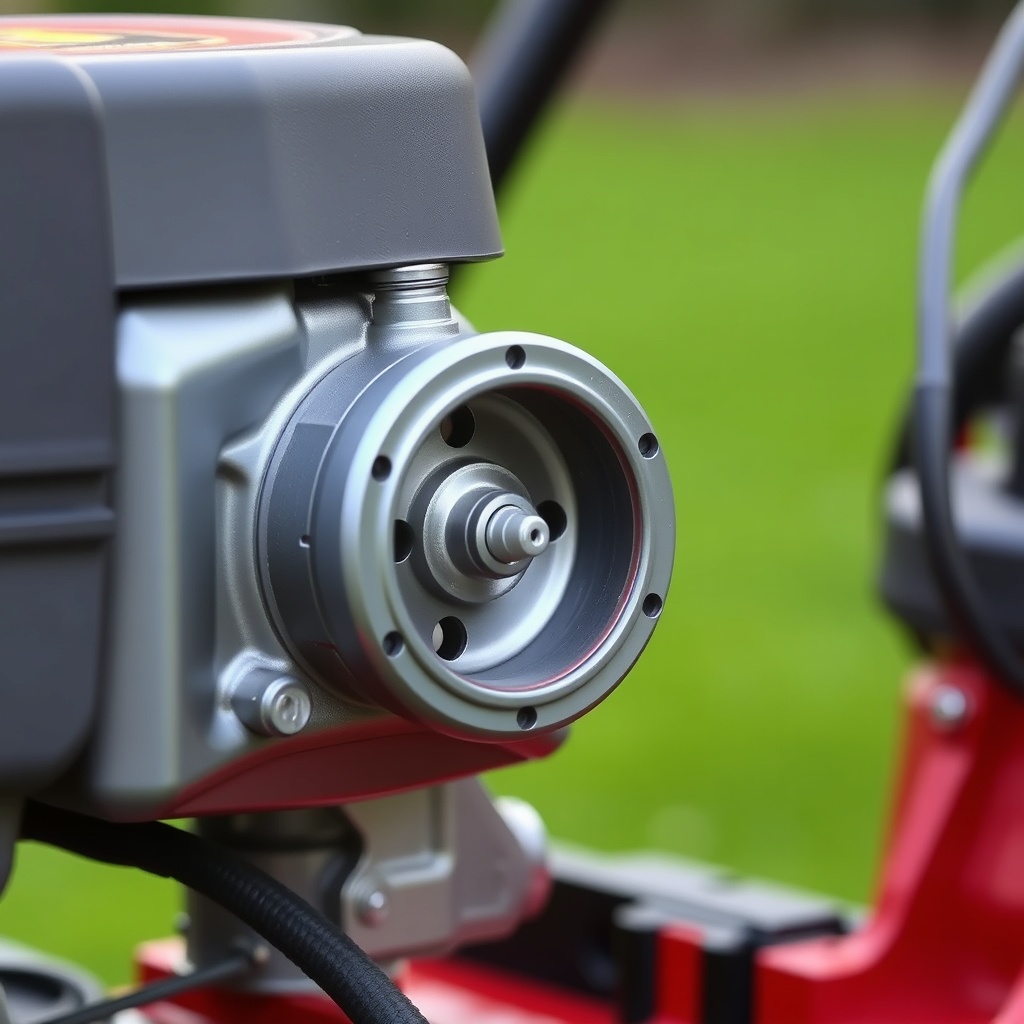
The 190cc Briggs & Stratton engine on the Recycler 22 is a 4-cycle overhead valve (OHV) engine that produces roughly 4.5 to 5.0 horsepower at 3,600 RPM. For mulching, adequate horsepower is critical because the blade must maintain speed while shredding clippings multiple times. If the engine bogs under heavy grass, the recirculation vortex weakens, and clippings become too large. The Recycler 22’s engine is designed with a large fuel bowl and an inline fuel filter that helps maintain consistent RPM under load. In bagging mode, the engine requires slightly less power because clippings are discharged immediately rather than recirculated. However, the bag itself creates backpressure, so a weak engine would still struggle. The 190cc engine handles both modes well on a typical 5,000 to 8,000 square foot lawn without stalling, provided grass is dry.
The engine has a fixed governor that limits top speed to protect the blade from overspeeding. This governor is set to maintain blade tip speed around 12,000 to 13,000 feet per minute, which is optimal for both mulching and bagging. If you use stale gasoline (older than 30 days) or ignore oil changes, the engine may lose power and affect cutting quality. For a detailed look at the engine’s construction, see our Toro Recycler 22: In-Depth Look at the 190cc Briggs & Stratton Engine article. Also, if you experience inconsistent self-propelled speed while adjusting cutting modes, check our guide on Toro Recycler 22 Personal Pace Problems: Diagnosis and Fixes because the transmission can affect how smoothly you transition between cutting conditions.
What Owners Say About Mulching vs Bagging with the Toro Recycler 22
Real-world feedback from owners who have used the Recycler 22 for at least one season provides useful insight. Many users note that mulching works exceptionally well on Bermuda and fescue lawns as long as you don’t let the grass get more than 4 inches tall. One owner from North Carolina reported that after switching from a standard side-discharge mower, they reduced fertilizer use by about 20% and saw fewer clumps. Another owner from Michigan commented that bagging mode struggles with very wet, thick grass—they recommended waiting 24 hours after rain before bagging. A common complaint is that the mulch plug may loosen over time if the rubber gasket wears, leading to some clippings escaping from the side. This is easy to fix by replacing the gasket, which costs around $15 at a Toro dealer. One owner also pointed out that the bag capacity (1.5 bushels) requires frequent emptying if you have a large lawn, but that’s typical for this class of mower.
On the positive side, owners consistently praise how well the Recycler 22 handles leaves in bagging mode. Several owners said they could clear a typical suburban lawn’s autumn leaf cover in two passes without clogging. The blade’s ability to shred leaves into fine pieces in mulching mode also received high marks, though owners recommended raising the deck to the highest setting for heavy leaf mulching. The overall consensus: mulching is excellent for regular maintenance, bagging is good for tough conditions, and switching between them is simple once you get the hang of the latch.
Frequently Asked Questions
Can I use the Toro Recycler 22 without the bag or mulch plug?
No. The Recycler 22 has a rear discharge design. You must have either the mulch plug installed or the bag attached. Operating without both will expose the blade and create unsafe flying debris. Also, the discharge chute has a spring-loaded door that won’t stay open without the bag adapter.
How does the Recycler 22 perform on wet grass in mulching mode?
Poorly. Wet grass clumps together and won’t recirculate properly. The blade can’t chop wet clippings finely, and you’ll end up with piles of soggy grass on the lawn. Best practice is to mow when grass is dry to the touch, ideally in late morning after dew has evaporated.
Does the mulching blade fit other Toro mower models?
The Recycler blade (part number 131-6567) is specific to the 22-inch deck models with the Recycler system. It will not fit standard Toro 22-inch vertical-pull mowers. Check the owner’s manual for exact compatibility. Attempting to use a standard blade in the Recycler deck reduces mulching performance significantly.
How often should I replace the blade for optimal mulching?
Replace the blade every 1-2 years if you mow a typical 5,000-square-foot lawn. Sharpen it every 25 hours of use. A dull blade leaves ragged grass tips and reduces the recirculation effect. Use a bench grinder or a professional sharpening service.
Can I use the Recycler 22 to mulch leaves without damaging the lawn?
Yes, but only in mulching mode. Set the deck to the highest cutting height (3.75 inches) and make slow passes over dry leaves. The blade will shred leaves into fine pieces that decompose quickly. Avoid thick layers of wet leaves, which can smother the grass. This functionality is why many owners use the mower year-round.
Why does my Toro Recycler 22 leave a line of uncut grass on the left side when bagging?
This usually indicates the bag is not fully seated on the adapter pins. Check that both latches are secure. Another cause is a bent blade or debris caught in the discharge chute. Remove the spark plug boot, inspect the blade, and clear any obstructions. If the problem persists, ensure the deck is level side-to-side.