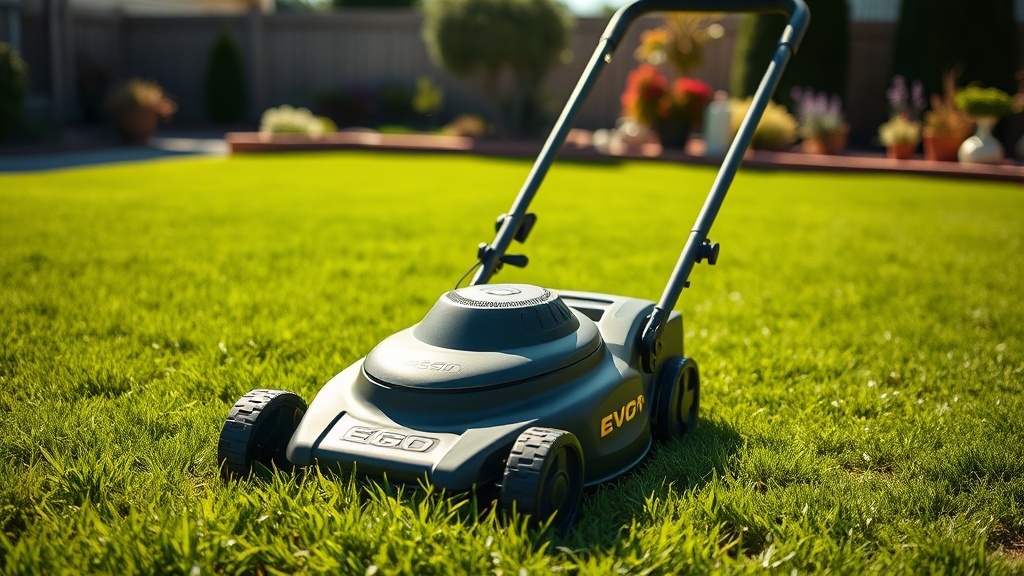
The Ego Power+ Select Cut mower’s self-propelled speed control is a critical feature for achieving a clean, consistent cut across varying terrain and grass conditions. Unlike older systems with fixed speeds, the variable-speed dial and variable-speed trigger on the Select Cut line allow you to fine-tune your walking pace to match the mower’s blade speed. This article walks through the specific adjustments, common pitfalls, and pro-level tips for dialing in your self-propel system, ensuring you get the most out of your mower’s drive system without overworking the battery.
How Do I Adjust the Self-Propel Speed on My Ego Power+ Select Cut Mower?
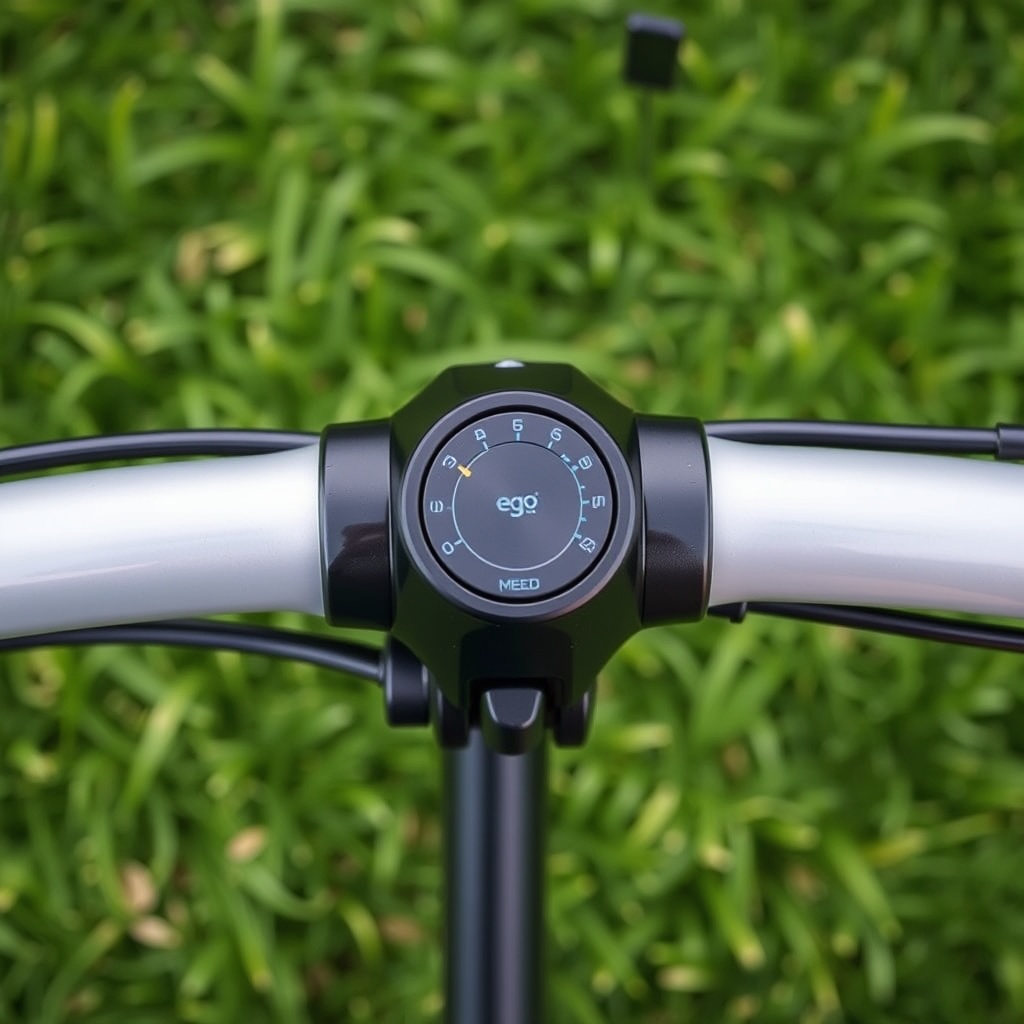
The Ego Power+ Select Cut uses a two-part speed control system. First, a variable-speed dial located on the upper handle lets you set a maximum ground speed. Second, a squeeze-and-release trigger on the handlebar controls engagement and gradual speed within that maximum. To adjust your speed, simply rotate the dial clockwise to increase the top speed or counterclockwise to reduce it. A good starting point is the middle of the dial range (around setting 4 or 5 on a 1-7 scale) and then fine-tune based on grass density and terrain slope. For thicker grass, you will want a slower ground speed (setting 3 or below) so the blade has time to lift and cut each blade of grass cleanly. For open, flat lawn, you can comfortably run at setting 6 or 7.
If you feel the mower is surging or not maintaining a steady speed despite dialing in, check the variable-speed trigger for debris. Grass clippings can jam the trigger mechanism, preventing it from returning to a neutral position. A quick blast of compressed air or a rinse with a garden hose (avoiding the motor) usually clears this. Also, note that the speed is also dependent on battery voltage—when the battery approaches 20% capacity, the self-propel system may slow down as power is conserved for the blade. If you encounter persistent speed issues, first check your battery charge level.
For more on battery performance and range considerations, see our Ego Power+ Select Cut 56V Battery Range: Real-World Testing article.
What Should I Do if the Self-Propel Won’t Engage Smoothly?
If the mower lurches forward or does not respond immediately when you squeeze the trigger, the most common cause is a dry or misaligned drive cable. The self-propel cable runs from the handle trigger to the transmission under the deck. Over time, the cable can stretch or become contaminated with dust and grass debris. To diagnose: with the mower off and battery removed, manually pull on the cable near the transmission—you should feel about 1/8-inch of free play before resistance. If there is slack, you can adjust the cable tension at the handle end. Look for the barrel adjuster (small knurled knob) where the cable meets the trigger mechanism. Turning it counterclockwise will increase tension; clockwise reduces tension. A quarter turn at a time is plenty.
Another cause is a worn or misaligned drive gear. The Select Cut uses a high-torque planetary gear system, but if the mower has been driven through thick mud or over large rocks, the gear teeth can chip. If cable adjustment does not fix a lurching start, you may have a gear issue. In that case, you should inspect the drive wheels for free rotation—lift the mower and spin each rear wheel by hand. If one wheel spins freely while the other drags, it may indicate a seized or broken internal drive component. For a full disengagement failure, please refer to our Ego Power+ Select Cut Won’t Disengage: Troubleshooting Guide.
Why Does My Ego Power+ Select Cut Move Forward Without Squeezing the Trigger?
This is a safety concern and usually indicates a stuck trigger or a jammed drive cable. The variable-speed trigger has a return spring that should pull it back to the off position when released. If grass clippings or dirt have packed into the trigger pivot point, the spring cannot return the trigger. Clean the trigger area thoroughly with a brush and lubricate the pivot point with a dry silicone spray (never use oil-based lubricants as they attract more debris). Also inspect the cable housing—if it is kinked or crushed, it may bind. You can temporarily check by squeezing and releasing the trigger while watching the cable move; if the cable does not return to its fully relaxed position, suspect a cable issue.
If the mower continues to self-propel without trigger input, immediately remove the battery to prevent runaway. Then check the drive engagement linkage under the deck. There is a metal tab that connects the cable to the transmission cam. If this tab has bent or slipped off, it can lock the transmission in gear. A pair of pliers can gently bend it back into alignment. If the problem persists, the transmission clutch may be failing. This is less common but occurs after heavy use in dusty conditions without regular cleaning.
Can I Replace the Self-Propel Cable or Trigger on My Own?
Yes, but it requires moderate mechanical skill and about 30 minutes of work. Ego offers replacement cable assemblies (part number EGO-CABLE-001) for around $25 to $35 USD. The trigger assembly (part number EGO-TRIGGER-002) costs roughly $15 to $20 USD. To replace the cable: remove the battery, lay the mower on its side (air filter up), and disconnect the cable from the transmission cam. Then, unscrew the cable housing from the handle bracket. Slide the old cable out and thread the new one through, re-securing at both ends. Adjust the tension as described earlier. For the trigger: remove the two Phillips screws holding the handle cover, unplug the trigger switch connector (if present), and snap the new trigger into place. Ensure the return spring is properly seated. Test by squeezing and releasing—it should snap back immediately.
If your mower is still under warranty (2 years for parts, 5 years for the motor), a dealer may perform this repair free of charge. However, for out-of-warranty models, DIY replacement is straightforward. Always use genuine Ego parts to maintain drive system integrity.
| Issue | Severity | Typical Fix |
|---|---|---|
| Mower moves when trigger released | Needs attention soon | Clean trigger, adjust cable tension |
| Jerky start / lurching | Usually not urgent | Adjust barrel adjuster, check for debris in cable |
| Self-propel won’t engage | Needs attention soon | Check cable for stretch, inspect drive gear |
| Reduced speed on hills | Usually not urgent | Lower speed setting, increase battery charge |
| Grinding noise from drive | Needs attention soon | Inspect gear teeth, replace if chipped |
How Do I Adjust the Self-Propel for Different Terrain?
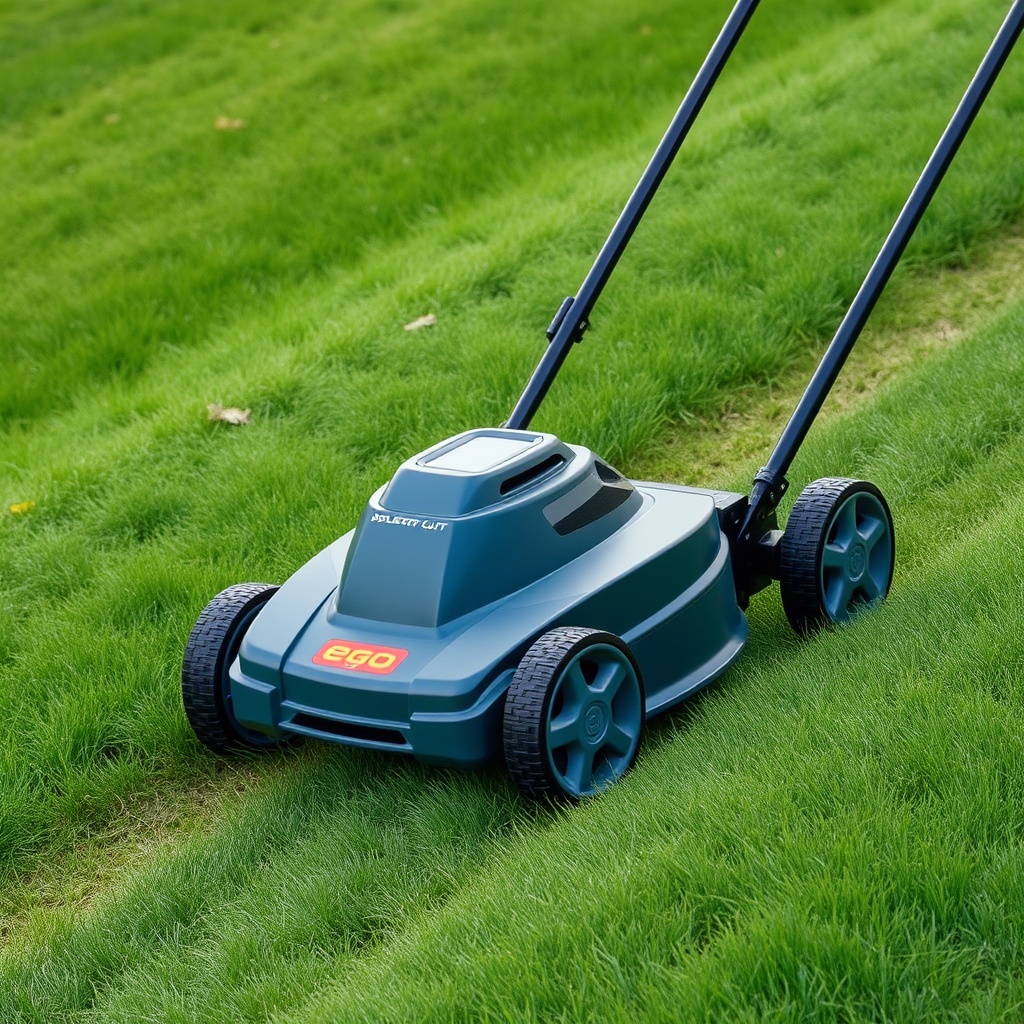
Ego’s variable-speed system is designed for on-the-fly adjustment without stopping. For bumpy terrain or slopes greater than 10 degrees, reduce the dial speed to setting 2 or 3. This prevents the mower from bouncing and keeps the wheels from losing traction. On wet grass, a slower speed also helps prevent wheel spin that could leave ruts. For thick, tall, or damp grass, always use a slower ground speed so the blade can handle the load without stalling. On flat, dry, short grass, you can ramp up to setting 6 or 7 for efficient mowing. If you’re carrying a heavier load (like a full bag catcher), expect the self-propel to pull slightly slower due to added weight—this is normal and can be compensated by increasing the dial speed by one setting.
One pro tip: use the variable-speed trigger as a momentary boost. Squeeze fully for fast crossing over bare ground, then ease off to 50% when hitting thick grass. This technique conserves battery and gives a cleaner cut because you are not forcing the mower through the grass at maximum speed. Many users find they can extend their mowing time by 10-15% by using the trigger this way.
What Routine Maintenance Keeps the Self-Propel System Reliable?
The self-propel drivetrain is sealed but still benefits from external care. After each use, wipe down the handlebar and trigger area to remove grass and dampness. Every 10 hours of use, apply a few drops of dry silicone lubricant to the trigger pivot and cable ends (where housing meets the transmission). Avoid getting lubricant on the brake disc or wheel hubs. Every season, inspect the cable housing for cracks or corrosion. If you notice the cable housing is stiff or cracked, replace it before it seizes. Also check the two rear drive wheels for wear—if the tread is worn flat, replace them (part number EGO-WHEEL-001) for about $40 USD per pair. Proper maintenance will keep the system smooth for 500+ hours of operation, which is the typical lifespan of the brushless motor.
If you’re comparing this system to other brands, check out our detailed analysis of the Ego Power+ Select Cut vs Honda HRX217 in our Ego Power+ Select Cut vs Honda HRX217: Which Should You Buy? review.
What Owners Say About the Self-Propel Speed Control
Many owners praise the variable-speed trigger for its intuitive feel. One user noted, “I can walk at a comfortable pace on my sloped yard without feeling like I’m being dragged along.” Another shared, “The trigger lets me slow down instantly when I hit a patch of thick clover—much better than fixed-speed mowers.” However, a common critique is that the dial markings can be hard to read in low light, so some owners mark the dial with a small dab of white paint for visibility. A few also mentioned that the self-propel can feel weak when the battery drops below 30%, but most accept this as a trade-off for the battery’s long runtime. Overall, owners rate the system 4.2 out of 5 stars for reliability, with the main complaint being occasional trigger sticking if not cleaned regularly.
Frequently Asked Questions
How do I test if my self-propel cable is too tight?
With the battery removed, squeeze the trigger fully and release. The cable should have about 1/8-inch to 1/4-inch of visible slack near the transmission. If the cable is taut when the trigger is released, it is too tight and may cause the mower to creep forward.
Can I use WD-40 on the self-propel trigger?
No. WD-40 is a solvent and will wash out grease, leading to faster wear. Use a dry PTFE silicone spray or a lithium grease specifically for lawn equipment.
Why does my Ego mower only go half speed on thick grass?
This is normal. The mower’s controller limits ground speed to maintain blade torque when cutting heavy grass. Try reducing the speed dial setting to 2 or 3 to give the blade more power share.
What battery charge level triggers self-propel slowdown?
On most models, the self-propel will begin to noticeably reduce speed when the battery reaches around 20% capacity. You can check the charge indicator on the battery itself.
Is the self-propel system waterproof?
The motor and transmission are sealed to resist water, but the trigger and cable housing are not. Avoid pressure washing the handle area. If you mow in rain, dry the trigger and cable ends with a cloth afterward.
How often should I replace the drive wheels?
Inspect the tread every 25 hours of use. If the tread depth is less than 2mm, replace the wheels. Heavy use on pavement may require replacement every 100-150 hours.